Case study: private retrofit project at Balloch Farm, Inverness

Construction industry professional Gregor MacKinnon purchased Balloch Farm in Inverness in 2024. After tackling the highest priority maintenance issues, in early 2026 he set about improving the energy efficiency of the farmhouse’s existing concrete slab ground floors. Around 40% of the ground floor area is existing concrete slab with no damp proof membrane (DPM).

The challenge

Improve the thermal efficiency and comfort of the existing ground floors, while preserving the traditional building fabric as much as possible and avoiding the disruption of breaking up the original floor slabs.

The solution

After liaising with the Proctor Group technical team, Gregor chose to install 16mm Spacetherm® Multi, with a few essential accessories, over the existing concrete slabs.

Key quote

“Aerogel is a quality product and an investment. It’s a solution I won’t ever need to change, and the installation has made an immediate difference. The environment feels fresher, and there’s no moisture build-up or mould risk.” Gregor MacKinnon – construction industry professional and Balloch Farm owner

What makes common floor insulation solutions unsuited to retrofit

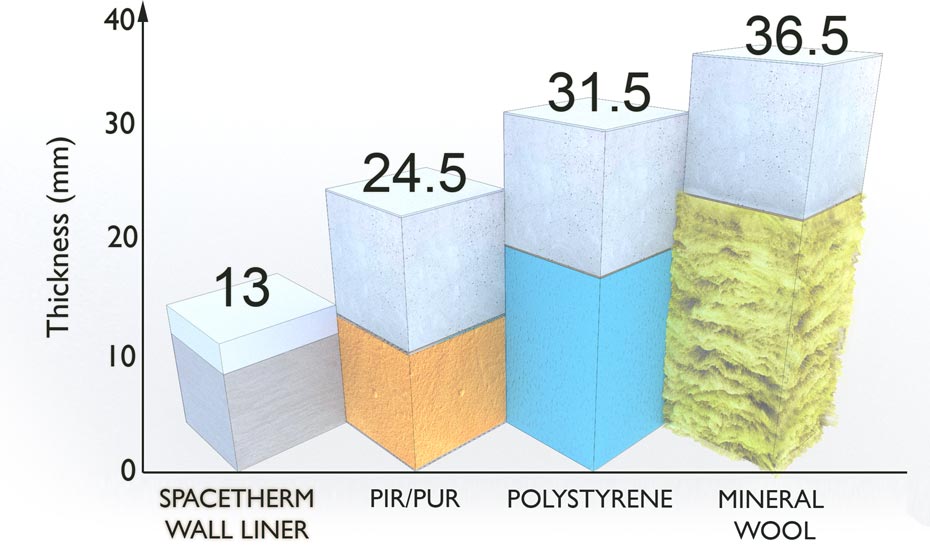
The best-performing, commonly available insulation products for slab floors are typically offered in a minimum thickness of 20mm o 25mm. This is thick enough to have a significant impact on existing features such as skirting boards and door thresholds/heights.

Plastic-based insulants are also vapour impermeable, preventing moisture vapour transport through the floor construction.

Nevertheless, Gregor wanted to improve the thermal performance of the floor – it was making the building very cold – without breakin up all of the existing slabs.

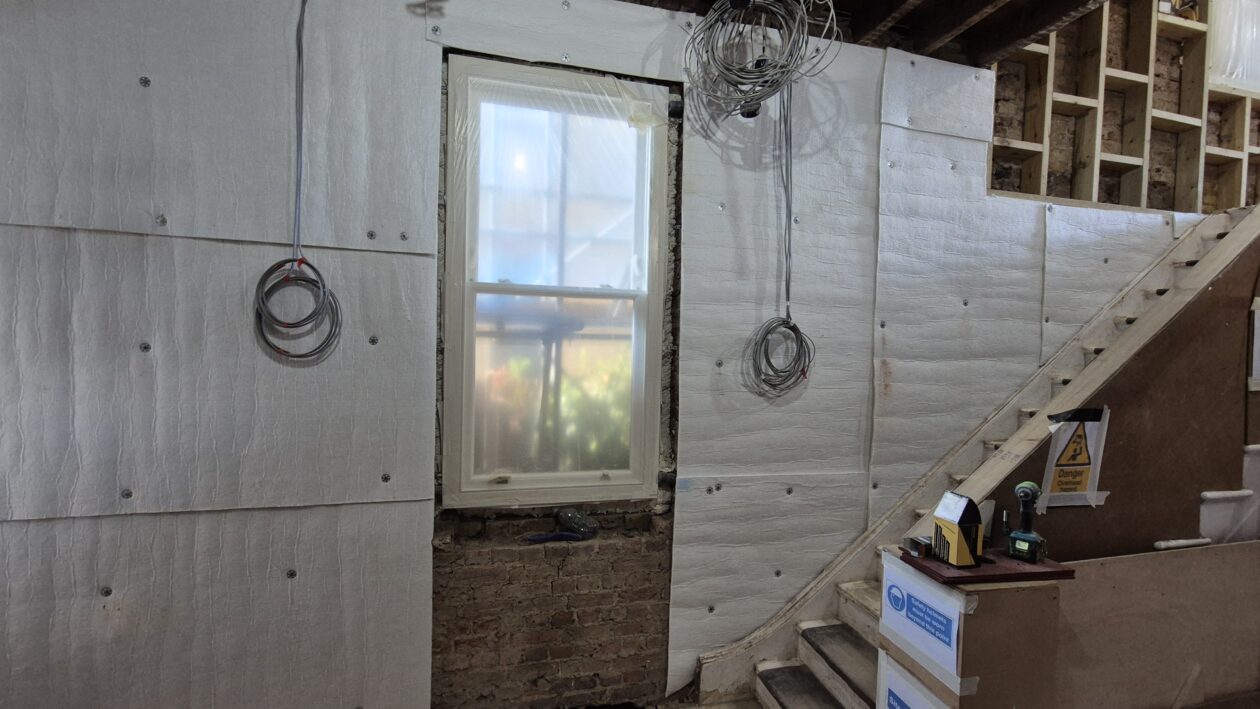
“I’m trying to respect the traditional building fabric,” said Gregor. “It’s about taking a holistic approach to a sympathetic modernisation. I don’t want to take away elements of the house that can’t be reproduced. Replacing floor slabs would be really destructive, and take time and energy.”

How does aerogel support sensitive retrofit of traditional buildings?

Aerogel is made by taking silica gel and freeze drying it until the liquid component has dried out and been replaced with gas. The result is a lightweight material with a low thermal conductivity, and which is hydrophobic and vapour open.

However, the rigid material is extremely brittle. To create a more usable aerogel product, the silica aerogel is embedded into a carrier fleece, such as polyester or glass fibre. This makes it more flexible without compromising the integrity of the material or its excellent thermal properties.

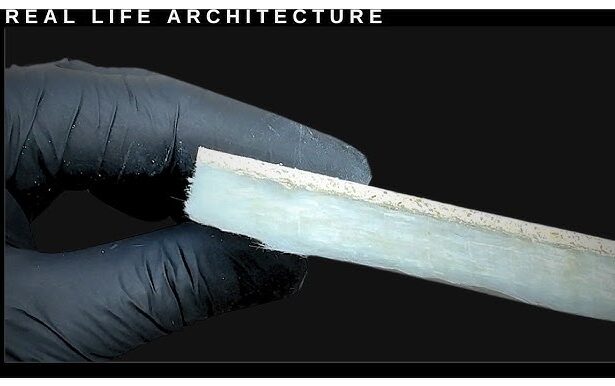
Proctor Group’s Spacetherm Multi features the aerogel blanket bonded to magnesium oxide (MgO) board. To upgrade his floor slabs, Gregor chose the 16mm product: 10mm of aerogel bonded to a 6mm MgO board.

As aerogel is hydrophobic, it does not absorb liquid water in the ‘wet slab’ scenario (i.e. there is no DPM). At the same time, its vapour openness allows the passage of moisture vapour, reducing the likelihood of the floor build-up ‘sweating’ and risking mould growth.

To complement the vapour openness of the aerogel, Gregor selected an acoustic vinyl floor covering that is also breathable.

Using Spacetherm Multi as floor insulation

Alongside the Spacetherm Multi boards, Proctor Group supplied Wraptite® Tape for sealing the board joints, and flanking strips to use at the perimeter.

“I was already aware of Proctor Group, and their excellent reputation and products,” said Gregor. “The technical team have been engaged and supportive. We went back and forth discussing my requirements and they recommended the solution of Spacetherm Multi and Wraptite tape. I’m delighted to be able to use a local manufacturer.”

They also discussed the question of loadings, and Gregor is satisfied that the Spacetherm Multi boards will bear all loads associated with a domestic floor.

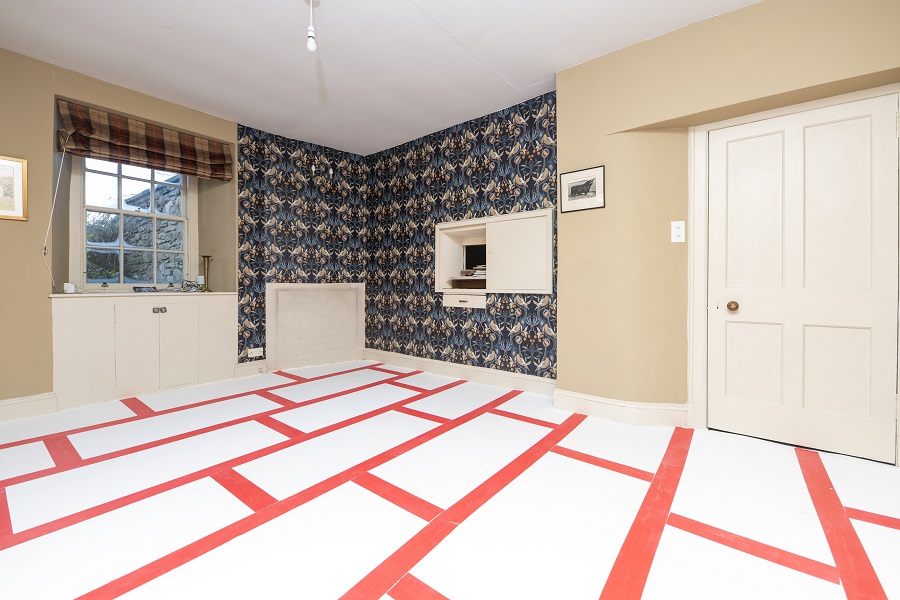
Taking up existing cork tiles revealed a rough finish below. Gregor’s contractors laid a thin latex screed before installing the Spacetherm Multi. They had used similar products before and found Spacetherm easy to work with. Gregor noted that, thanks to the loose-laid nature of the installation, he could have laid the boards himself if he hadn’t already had installers on site.

Does aerogel insulation help to improve thermal comfort?

Installing the insulation has made an immediate and noticeable difference to the performance of the floors.

Paying a premium for a thin insulation solution, has made it possible to retain kitchen units, skirtings and doors – thereby avoiding additional costs associated with changing or replacing those items. There was also less wastage than Gregor expected, meaning the Spacetherm boards were used economically.

“Aerogel is expensive, but it’s a quality product and an investment,” said Gregor.
“It’s a solution I won’t ever need to change, and the installation has made an immediate difference. The environment feels fresher, and there’s no moisture build-up or mould risk compared to an impermeable insulation.

“Most importantly, the floors feel good underfoot. I don’t find myself running across them because they feel cold to stand on.”

Find out more: https://proctorgroup.com/products/spacetherm