
The importance of construction membranes is not always well understood. They play a vital function in building physics but, as hidden components masked by the final finish, they can end up being neglected. Pamela Howat, Senior Technical Advisor at Proctor Group, looks at the specification and installation of membranes to deliver performance for the life of the building, not just at the time of construction.
When project timescales are tight, it can be easy to fall back on solutions that are familiar. Specifiers, for example, might choose membrane placement that was successful on another project, without considering if it is the best choice for the current project.
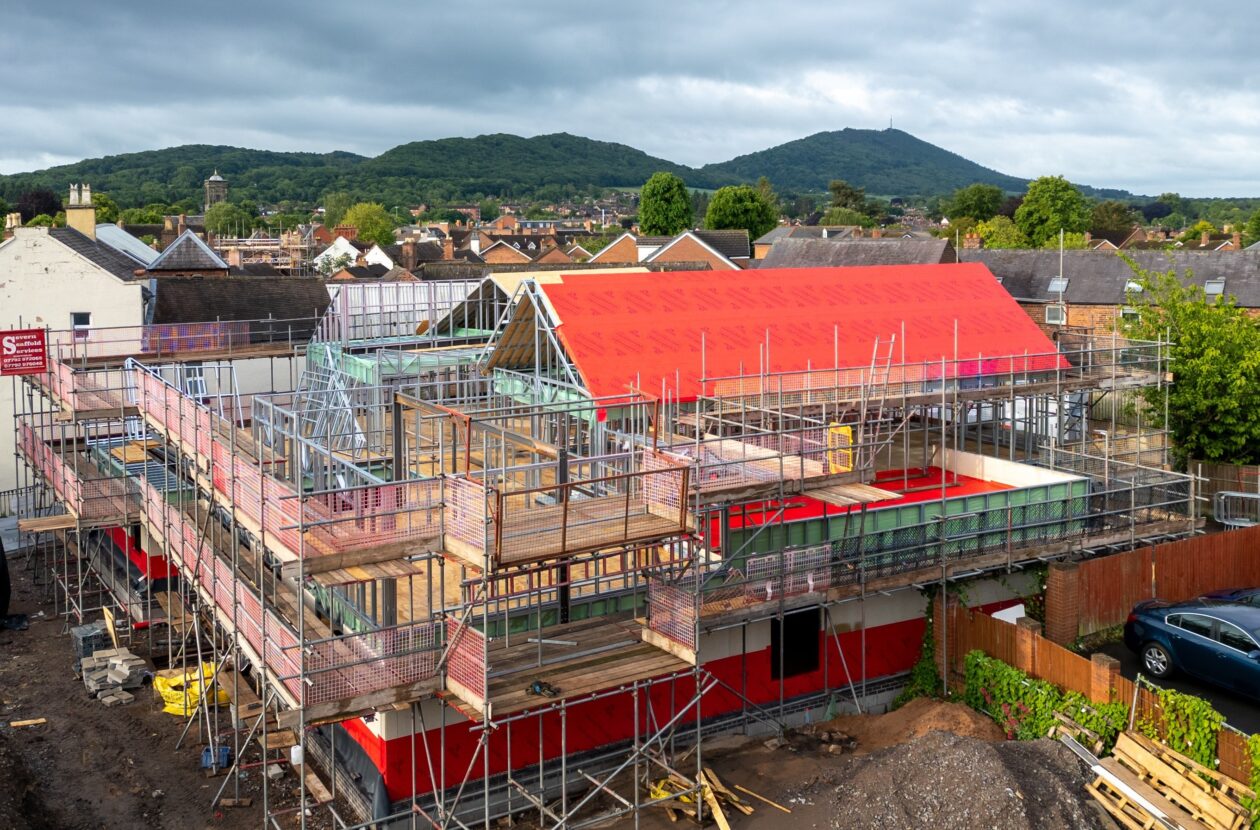
Meanwhile, on site, contractors can find themselves focusing only on their aspect of the build, rather than how it interacts with the work of other installers.
However, better long-term outcomes are more likely to be evidenced when specifiers choose membranes to meet defined, project-specific goals, such as airtightness; and when contractors understand and complement each other’s work.
Avoiding siloed working
It’s a noted problem on construction sites of all types and sizes that contractors often end up working in a very siloed way. The membrane installation is completed, often to a high standard, only for an element of it to be undone by follow-on trades.
Any disruption to the original work then tends to go unrectified – and the building goes on to suffer the consequences of the modifications that have been made.
A vapour control or airtightness layer only provides its declared performance for as long as the membrane remains intact and undamaged. The recognition of that starts with the design team who develop wall and roof build-ups.
The projects we see deliver construction quality most successfully are those that go on to promote a good dialogue between different contractors. When everybody is on the same page and recognises the importance of membranes to building performance, they can carry out their work accordingly.
Proper preparation prevents poor performance
Understanding the importance of membranes is more than just appreciating their contribution to a building’s physics. They need to be viewed as the vital, quality component that they are.
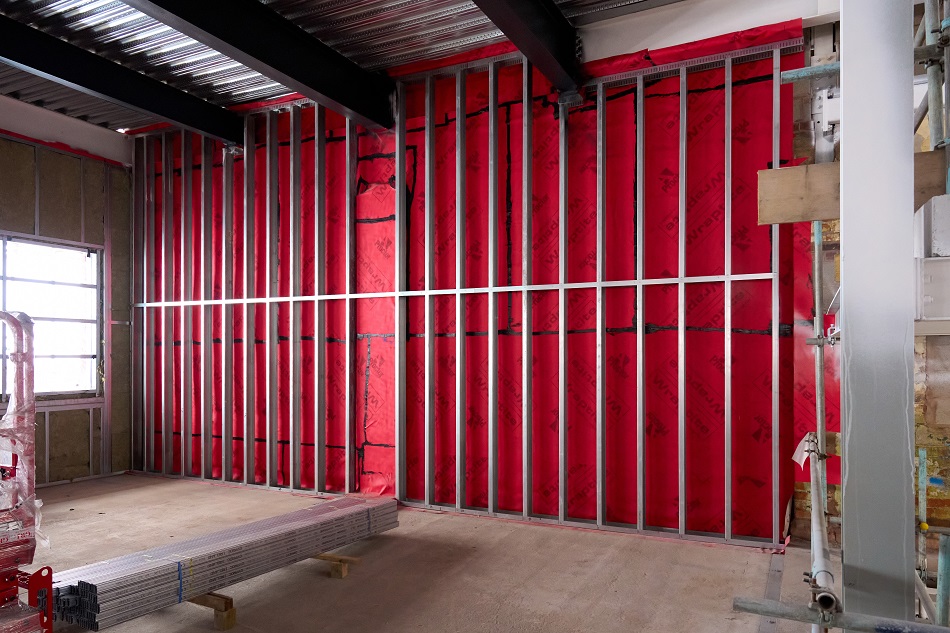
On one project that used our Wraptite® system, the installed membrane was treated poorly during the construction programme, to the extent of it even being damaged in places. Seemingly, the membrane was viewed as temporary protection rather than a crucial component of the facade build-up. The result was unnecessary remedial work.
It also means recognising how membranes interact with other components around them, not least the substrate to which they are attached.
A lot of high-rise projects we supply membrane products to feature concrete frames. Preparation of concrete substrates is an excellent example of what we’re talking about, and vital to successful membrane attachment. Key steps include ensuring the substrate is smooth, and free of laitance and dust must be brushed off the concrete.
Is your proposed airtightness fit for purpose?
When we engage with specifiers, contractors and installers about different membrane solutions, some say that they don’t need to change their approach. Airtightness is an excellent example, with people satisfied that their specifications and installation methods can help to achieve a performance of, say, 7 m3/m2/hr.
Are those approaches good enough to contribute to better rates of airtightness, though? Can they help to deliver 5, 3 or even 1 m3/m2/hr on a project?
With tighter building regulations and increased adoption of the Passivhaus standard, better airtightness is essentially now standard across the built environment. Specification and installation needs to be aligned with that expectation to avoid locking in performance gaps for the life of the building – and even risking regulatory non-compliance.
Look beyond the end of the construction phase
Along with the good dialogue we discussed earlier, true value is delivered when membrane specification and installation considers the end user. What maintenance work will the building require in future? How will typical maintenance impact on what is being specified and installed now, in the construction phase?
This kind of holistic thinking has driven the wider adoption of external airtightness membranes like Wraptite. Moving the building’s airtightness line externally significantly reduces the number of penetrations through it, compared to only an internal membrane that is relied upon to provide both airtightness and vapour control.
Many membrane installers who have seen internal air and vapour control membranes damaged by follow-on trades have switched to Wraptite. Specifiers can, and should, take note of this contractor preference – all backed by comprehensive product support, technical expertise, and on-site toolbox talks. The change pays dividends in terms of delivering high levels of airtightness more reliably.
Find out more at https://proctorgroup.com/all-products
Related Products
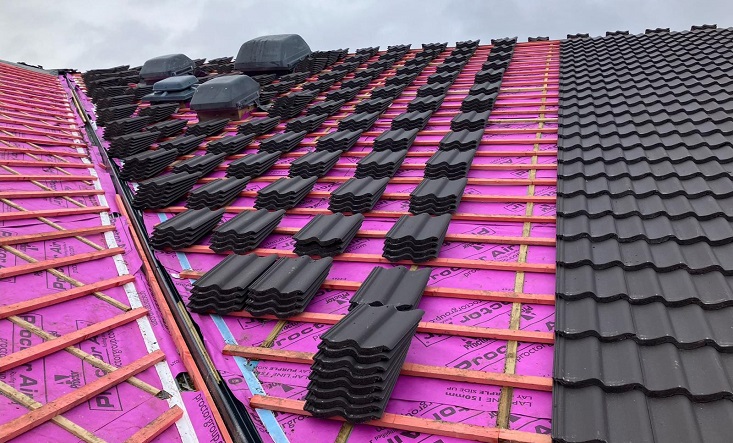
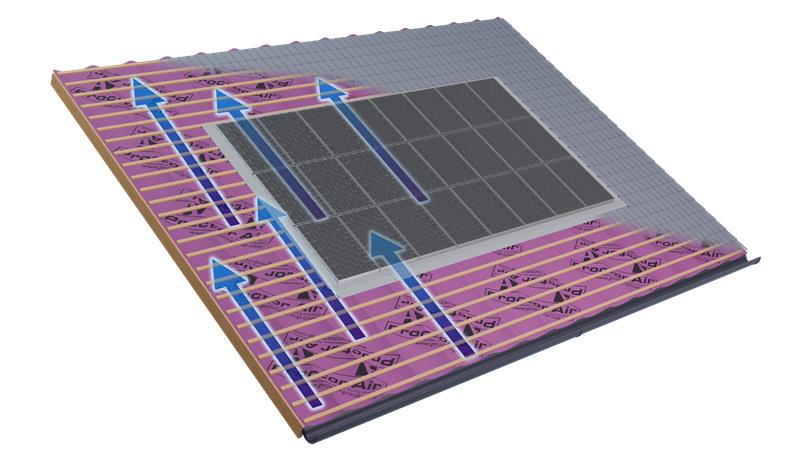
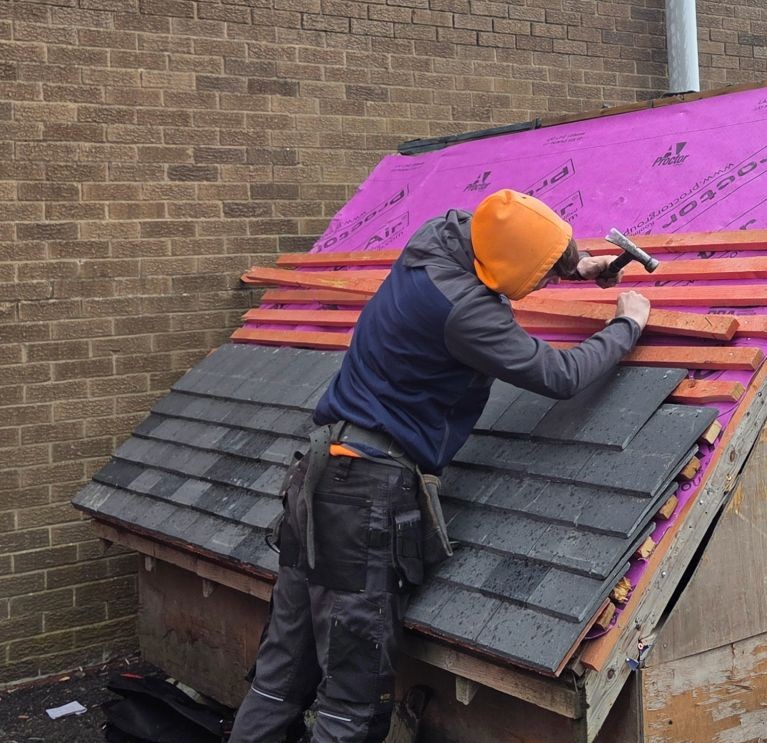
Proctor Air® – Air & Vapour Permeable Roofing Membrane
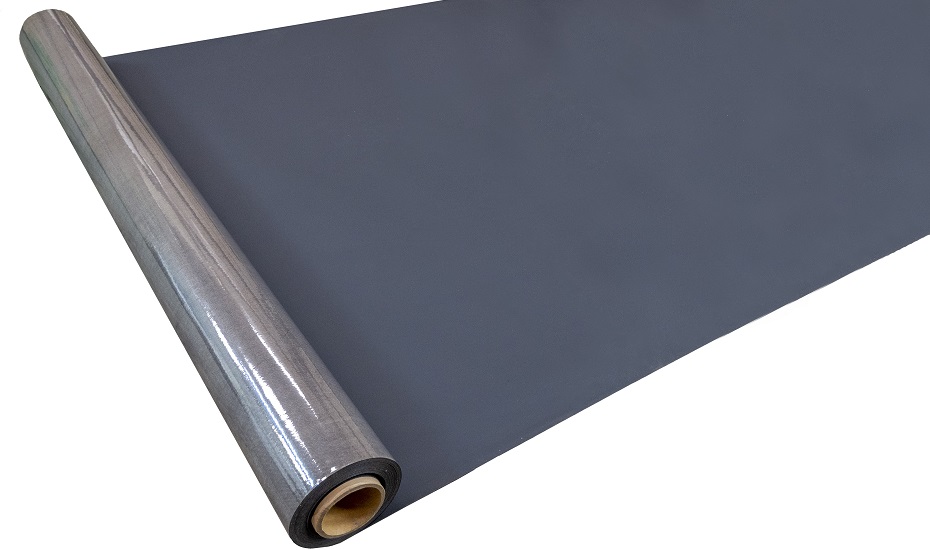
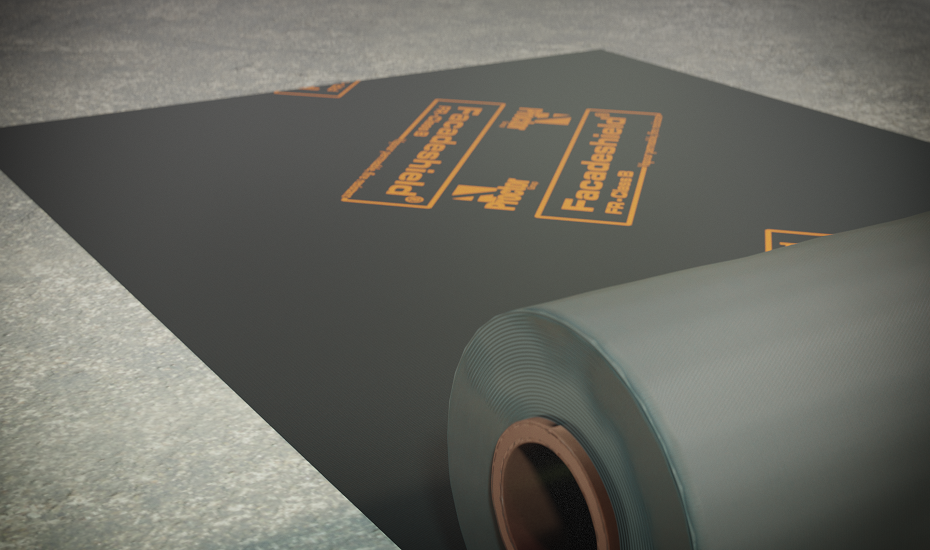
Wraptite® UV – Class B-s2,d0 Fire Rated Membrane
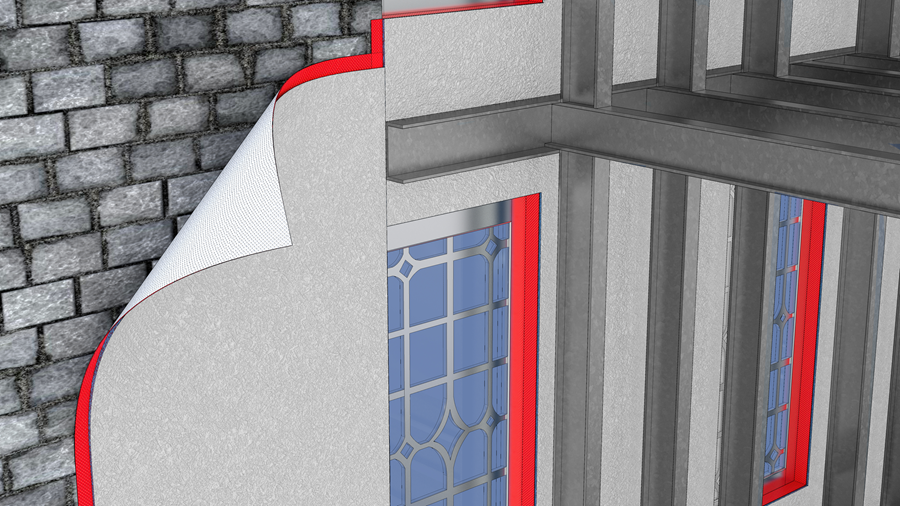
Wraptherm® – Airtight Insulated Membrane
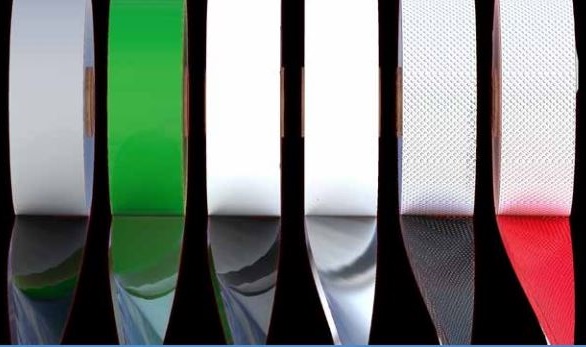
Airtightness Tapes
Latest Articles


Related Projects
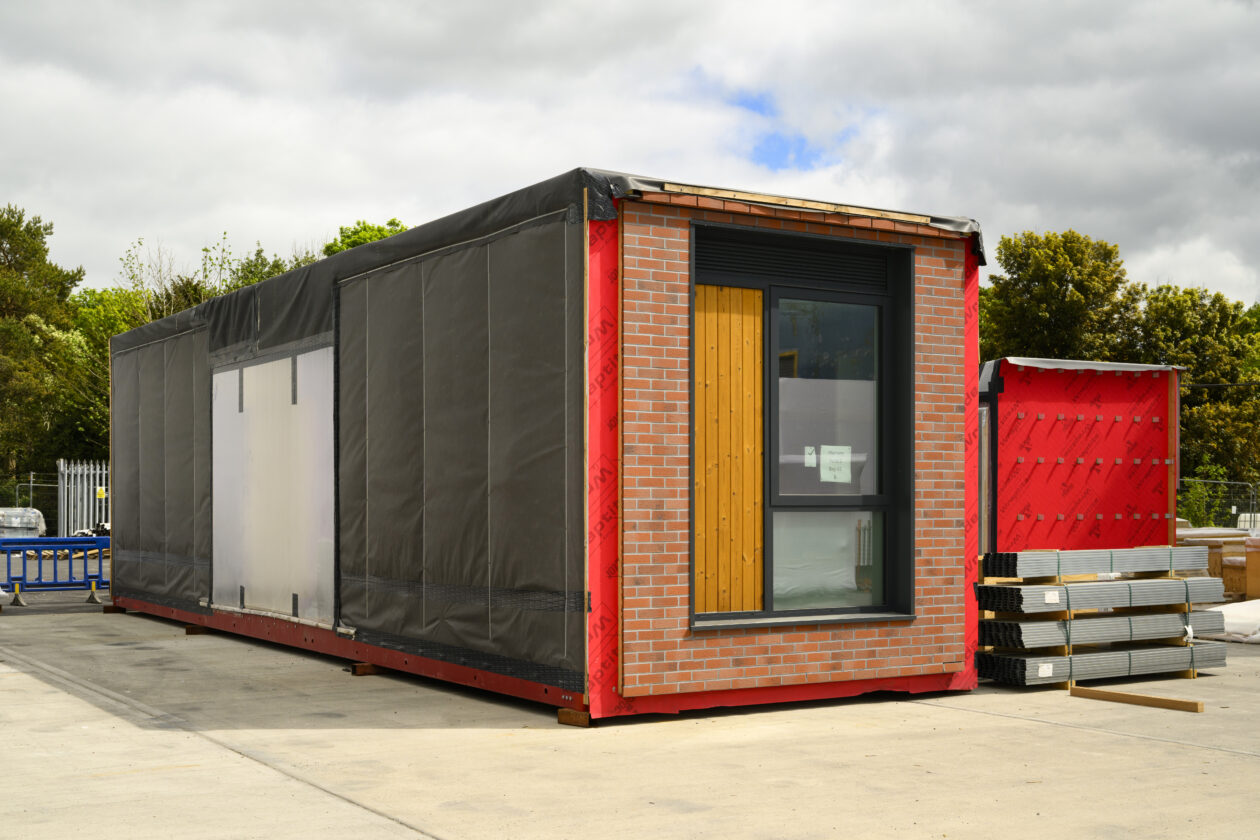
Reds10: Wraptite® for Near-Passivhaus Airtightness in Modular Construction
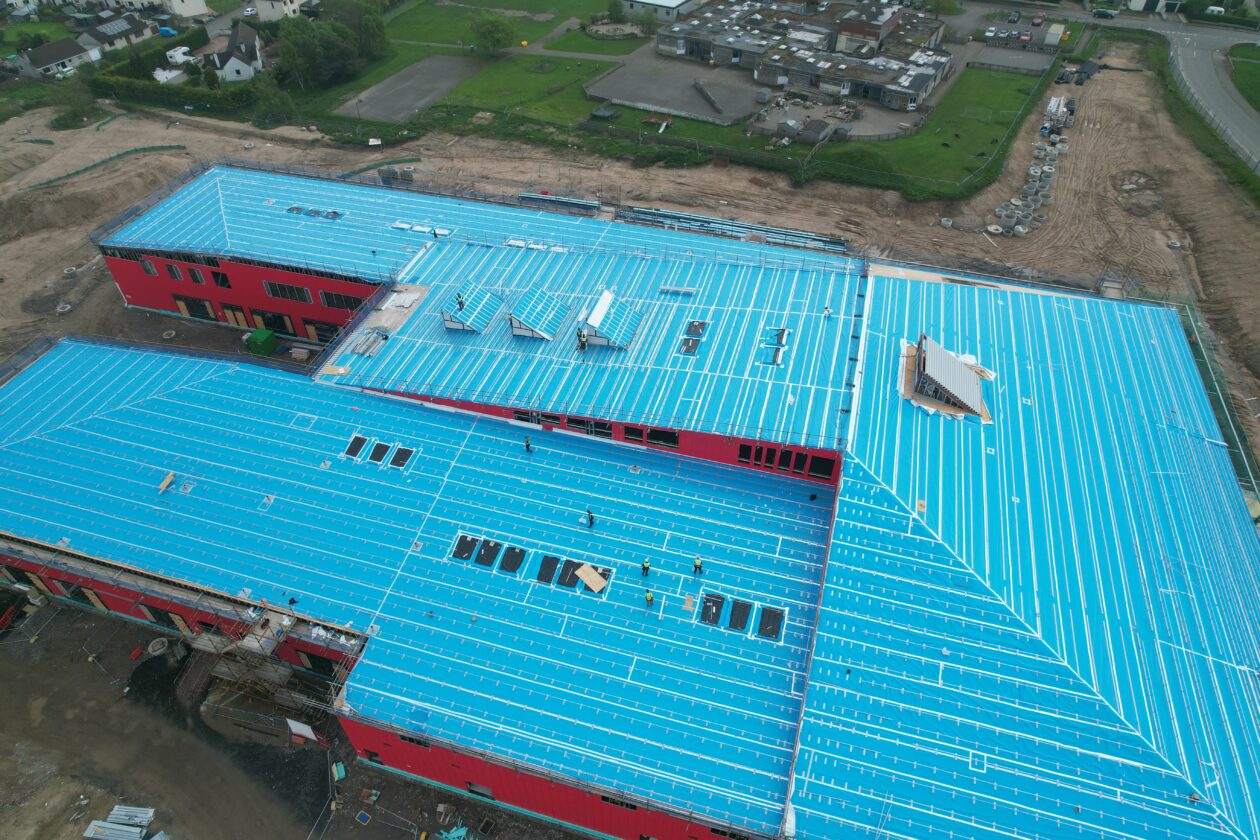
Tain Campus: Profoil 861 for Roof Airtightness in a Passivhaus-Standard School

Jacob’s Island: Wraptite® for NZEB Apartments
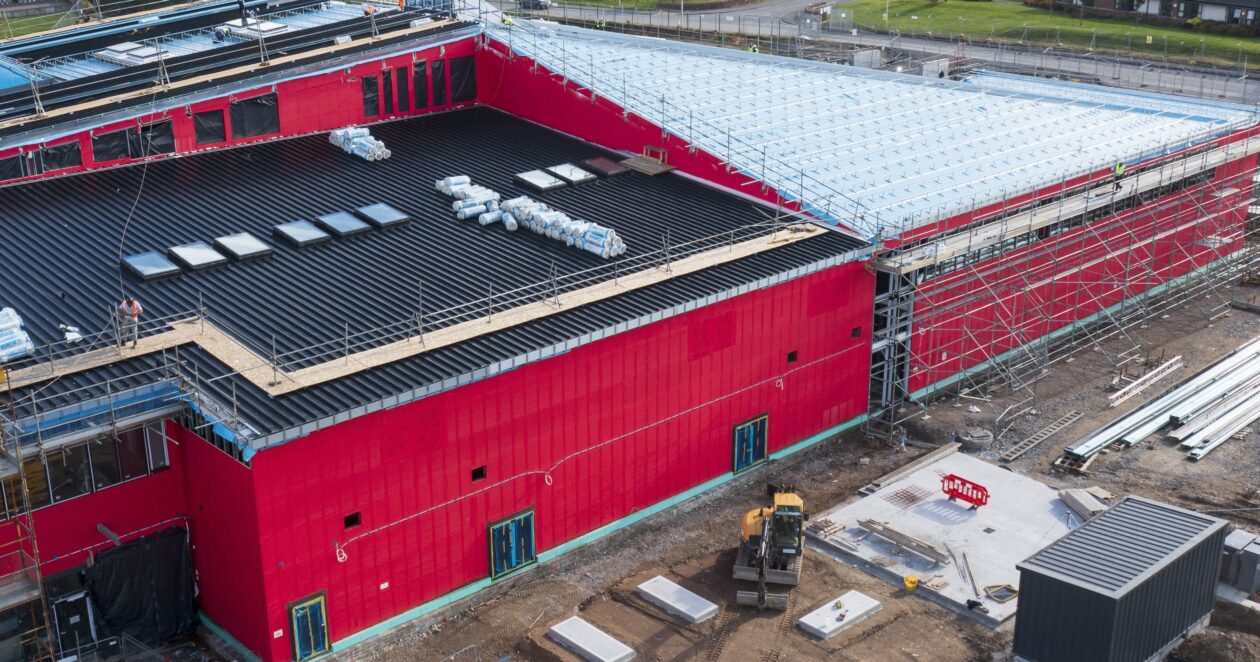
Tain Campus: Wraptite® for Passivhaus Airtightness with Offsite Installation
Latest News


Request a Sample

Technical Advice

CAD Detail Review

U-Value Calculation

Book a CPD

Specification Check