
Developing small sites using traditional construction
Small and medium housebuilders are already under significant time and financial pressures due to factors like planning delays. Remedying avoidable issues post-completion is therefore not just frustrating, it’s an existential risk.
For developers of small housing sites looking to differentiate themselves in the marketplace, offering a high-end product means spending money in the right places. That includes using products that provide the performance they promise.
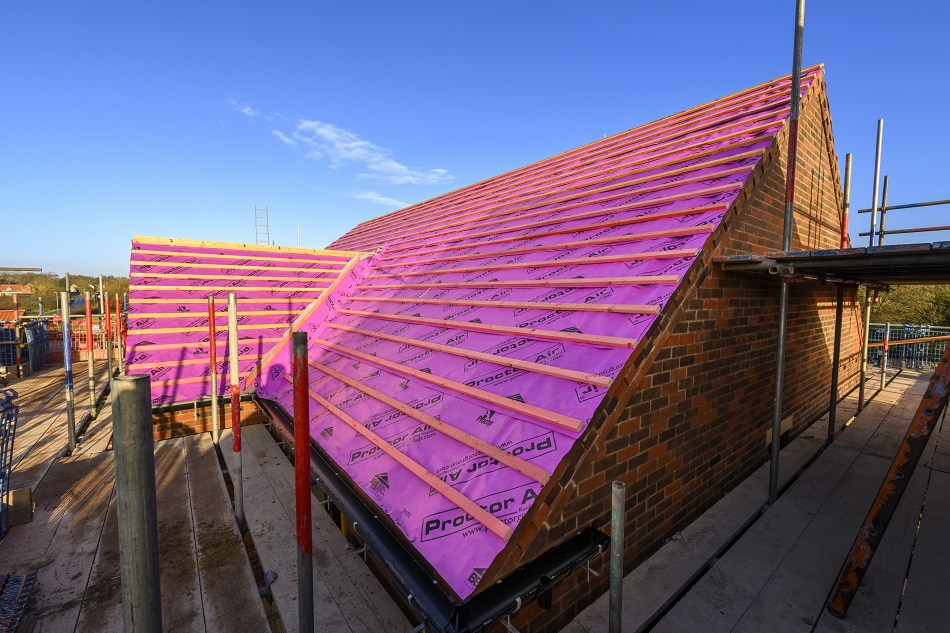
Braddus Homes is a small housing developer set up by childhood friends who wanted to offer something different to the volume housebuilding companies they had previously worked for. Their first development is Priory Fields, a site of four homes at Mattersey, Doncaster.
They have set out to deliver excellence as standard and needed to ensure the materials they sourced would match their premium approach to housebuilding, right from their very first project. Their homes are marketed as luxury, exclusive and high specification – and they needed every detail to meet this high standard to ensure complete customer satisfaction.
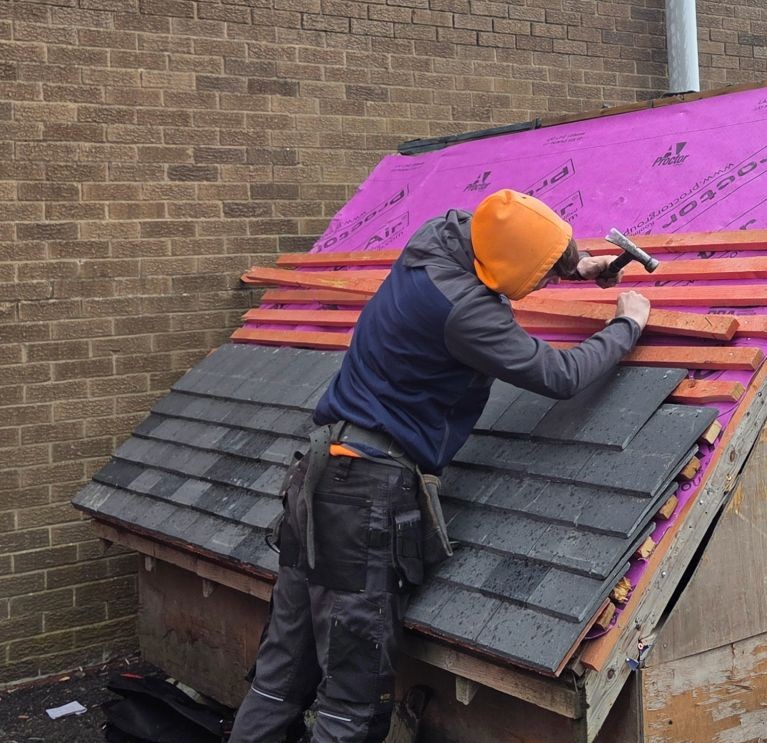
For the pitched roof specification, Braddus Homes chose to use Proctor Group’s air permeable, low resistance (APLR) underlay Proctor Air®.
Proctor Air allows the passage of both air and moisture vapour. This combination of qualities reduces condensation risk in roofs and avoids the need for separate roof ventilation products, as the underlay provides a more consistent flow of air than standard roof vent products. Also, it requires no vapour control layer in the ceiling.
In combination with its air permeability, Proctor Air is also one of the highest performing vapour permeable membranes available. With a vapour resistance of 0.075 MNs/g (or Sd of 0.015m), condensation risk in the roof space is reduced.
“Having the right product to avoid condensation issues is vital,” said Huw Richards, Operations Director at Braddus Homes. “We want to use the best products that fully reflect the care, quality, and attention to detail that we put into every home we build.”
Underlays as part of offsite manufactured SIP systems
The right membrane products contribute to making structural insulated panel (SIP) systems simpler and faster to install. By realising these benefits, the construction of new homes can become more efficient. Not only are the UK’s ambitious housing targets then more viable, the severe lack of affordable housing could also be addressed.
Ultrapanel Building Technologies showcased their next generation SIP system technology by constructing the Ultrapanel demo house – a template for what volume housebuilding delivery and affordable housing could look like in the next few years.
The aim was to erect the building envelope for a three-bedroom home, from sole plate to ridge, in a single day. In doing so, they would demonstrate the products and supply chain – including membrane products – capable of supporting the rapid delivery of quality homes at scale.
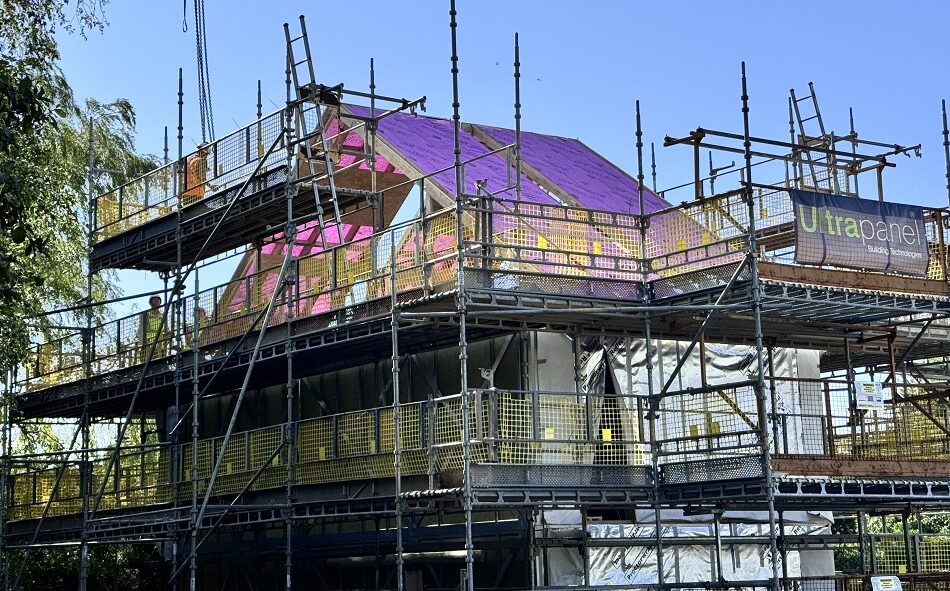
Ultrapanel’s Category 2 MMC SIP system features an innovative new cold roof panel, which includes Proctor Air. The factory-fitted membrane allowed Ultrapanel’s finished panels to be delivered straight to site and installed quickly, providing a water-resistant roof system in a matter of hours.
The rapid installation of the cold roof panel also significantly cut down time spent working at height compared to traditional construction techniques.
We worked closely with Ultrapanel Building Technologies to establish appropriate membrane specifications specifically designed to support the offsite manufacture of the panels. For example, Proctor Air was supplied in 3m wide rolls (rather than the standard 1m wide), which was better for the production line and ensured the quality of the panel was maintained once it reached site.
Prefabrication and panel systems are not new in housebuilding. However, for MMC solutions that don’t yet have the longevity in the marketplace, one poor installation could open the door to unfavourable comparisons with post-war prefabrication. If the benefits of offsite manufacture are to finally be adopted at scale, systems need to show they can deliver their promised speed and quality on a consistent basis.
Developing construction products to support quality outcomes
Manufacturers of construction products, including membranes, can support better quality and higher volumes in the housing sector in three main ways.
- Supplying membranes that deliver their promised performance.
- Independent certification and accreditation that backs up performance claims.
- Responsive technical support to aid specification and installation, without holding projects up.
Without these three things, developers and offsite manufacturers alike risk creating specifications that won’t deliver the desired outcome. This can lead to problems for homeowners once the development is occupied, and dents confidence in the quality of homes being offered.
When an underlay is user-friendly, it increases the likelihood that it will be installed well, delivering the performance it promises. Previous experience and user feedback is therefore great for understanding how a product behaves when installed.
At Priory Fields, both Huw Richards and his chosen roofing contractor, AMF Roofing, were already familiar with Proctor Air. “I’ve worked with AMF Roofing before and knew they were happy to use Proctor Air. We rely heavily on our suppliers and sub-contractors, so having trust in the quality of the end result is important,” Huw added.
Product performance claims still need to be backed by accurate, independent and transparent assessment and certification. That is why Proctor Air not only has a BBA certificate, but is also one of Proctor Group’s products assessed against the Code for Construction Product Information (CCPI).
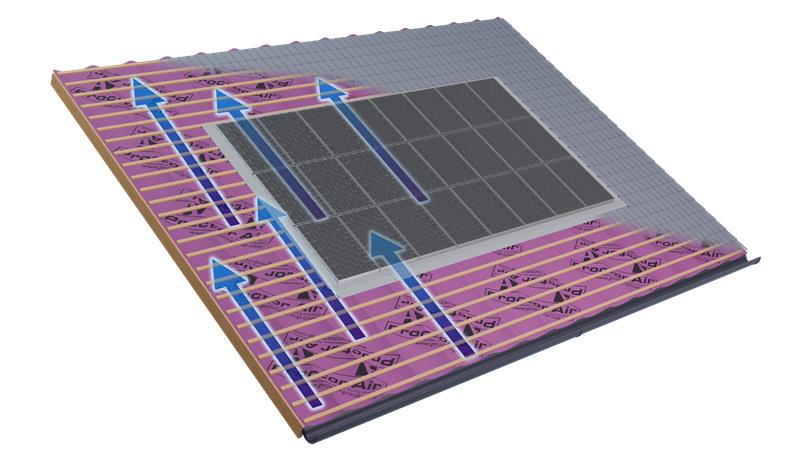
Furthermore, as developers and housebuilders grapple with best practice around using solar PV on new homes, Proctor Group has published industry-leading guidance around the use of Proctor Air with integrated solar panels.
Our Housebuilding Manager, Bruce Manning, describes what practical support for a small developer looks like: “I’ve advised on best practise and suitability of Proctor Group products for Braddus Homes. Forward thinking housebuilders look to mitigate any customer care issues in the future and tend to specify higher quality roof membranes like Proctor Air.”
Meanwhile, our Sales Director, John Johnston, attended Ultrapanel’s demo house construction day and was impressed by what was achieved: “At a time when labour costs are so expensive, Ultrapanel’s SIP system will likely be very appealing to housing associations and social housing providers. That could make a real difference to whether the UK can achieve its ambitious housing targets.”
Related Products

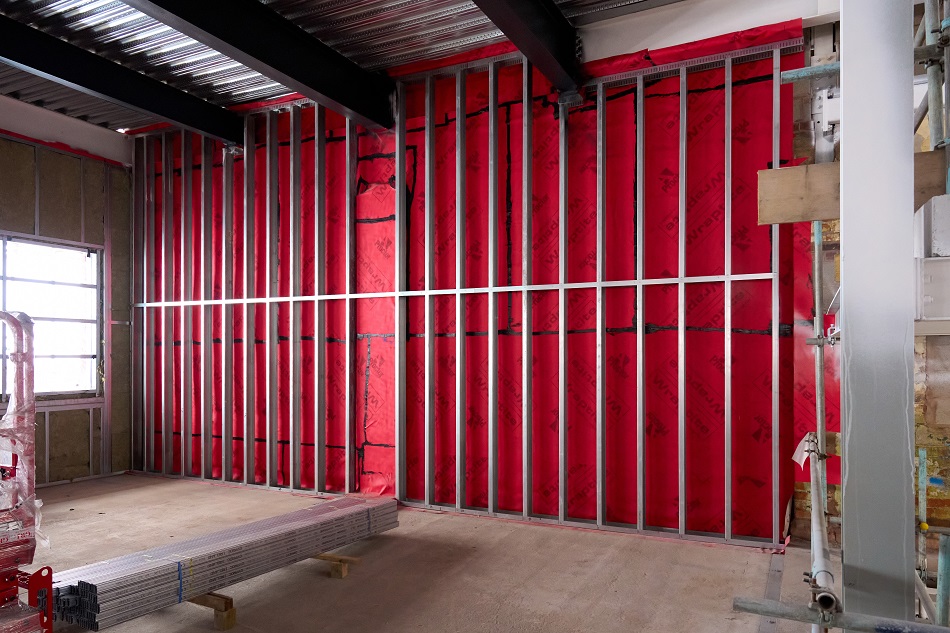
Wraptite® – Vapour Permeable Air Barrier
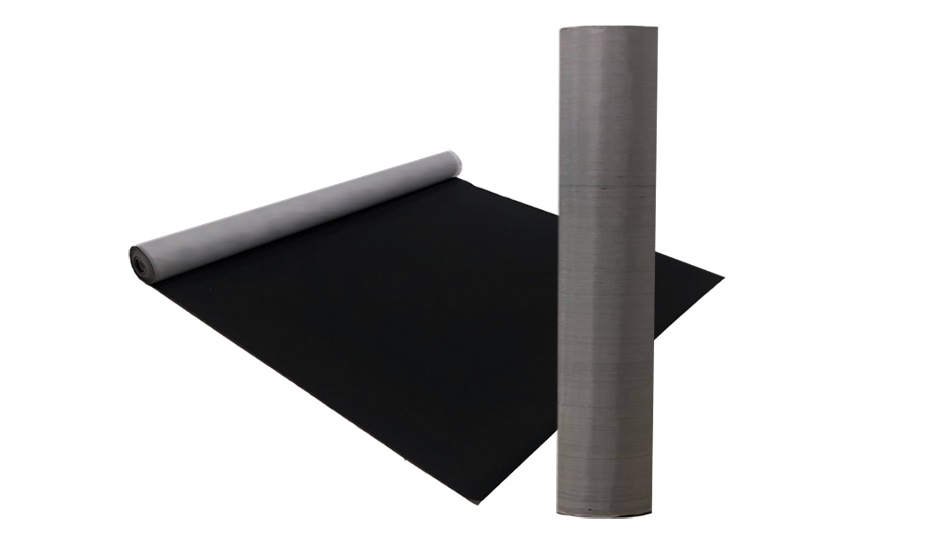
Probreathe® A2 – Vapour Permeable Breather Membrane
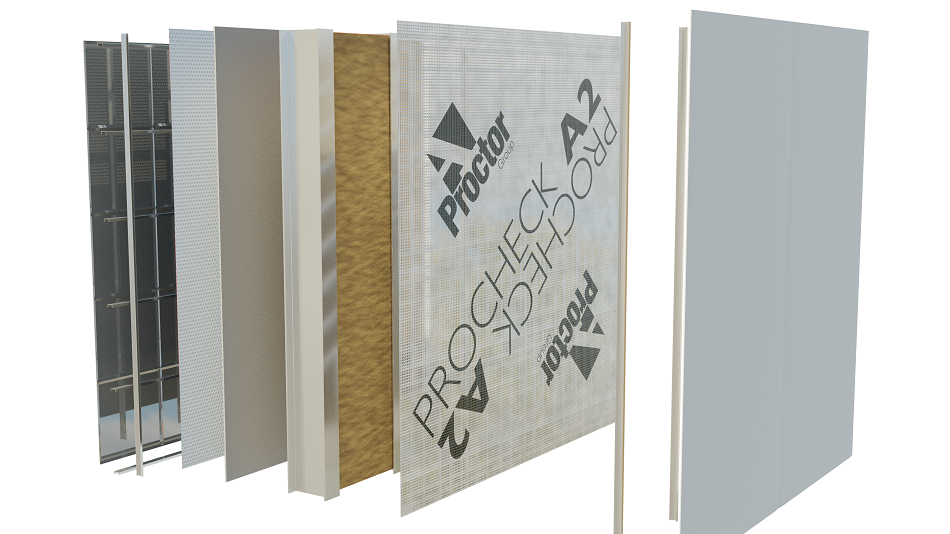
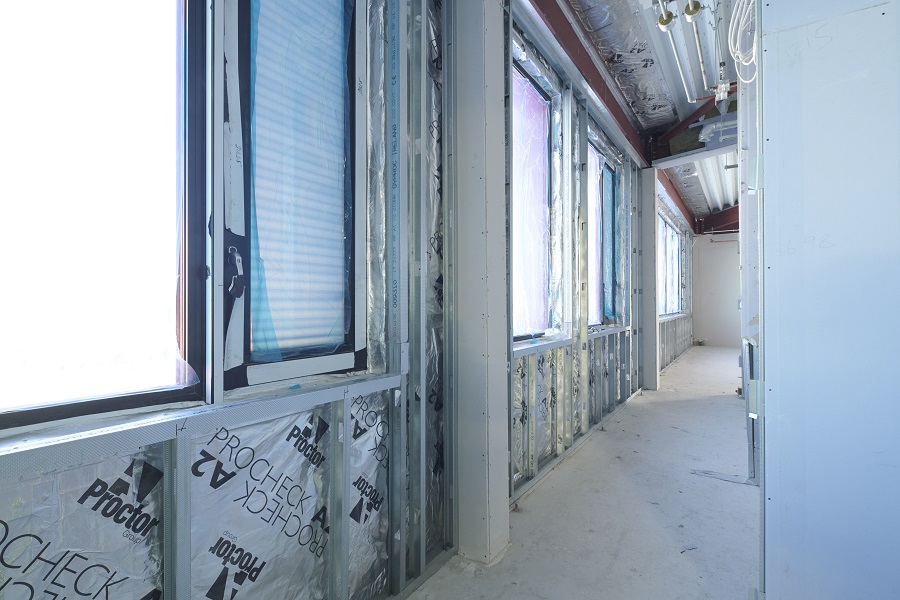
Procheck® A2 – A2 Fire-Rated Air and Vapour Control Layer
Latest Articles
Related Projects

Lightburne: Wraptite® for Airtightness and Wind Resistance in Apartment Facades
Priory Fields: Proctor Air® for Condensation Control in High-Specification Homes
What Difference Does the Right Roofing Supplier Make?
How Can Membranes Improve Offsite-Manufactured SIPs?
Latest News

Request a Sample

Technical Advice

CAD Detail Review

U-Value Calculation

Book a CPD

Specification Check