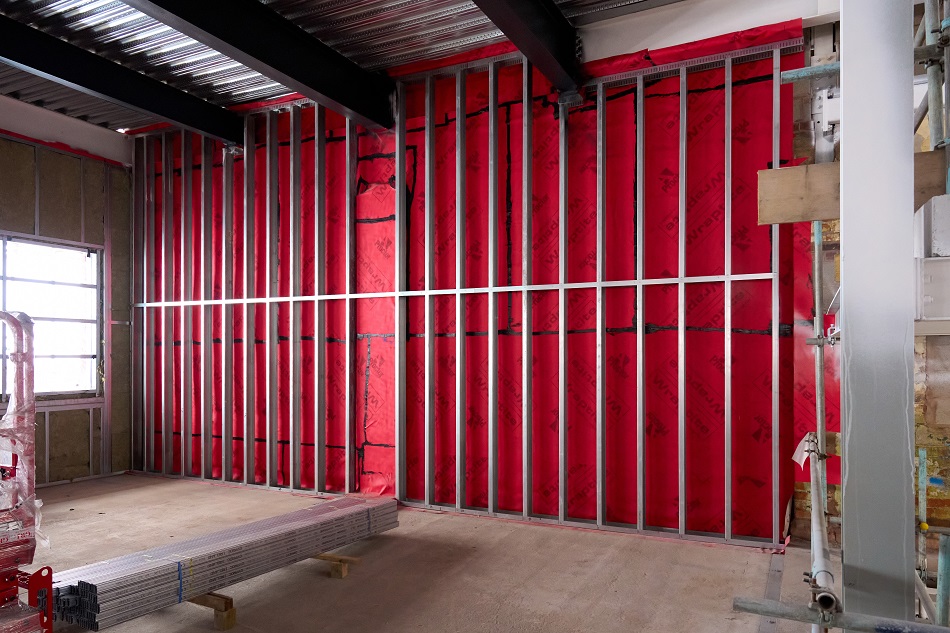
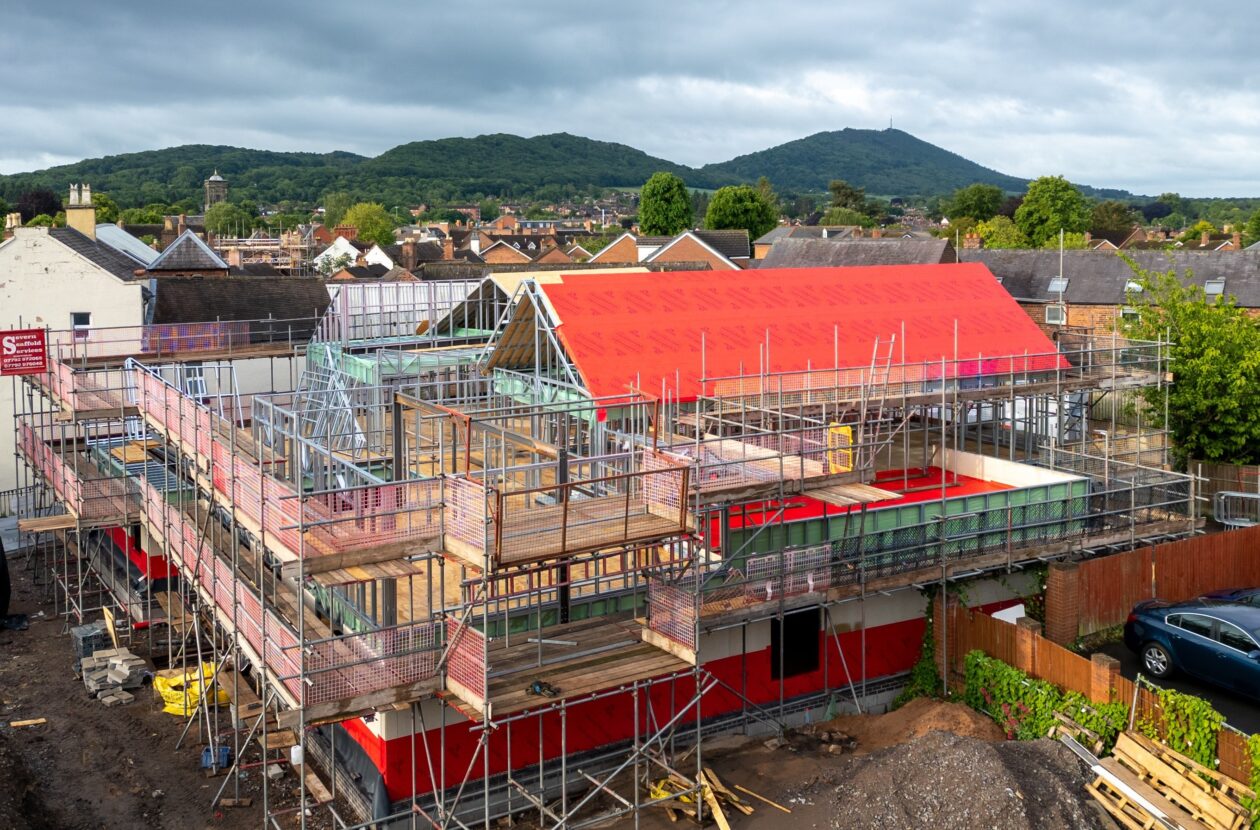
For developers of small housing sites looking to differentiate themselves in the marketplace, offering a high-end product means spending money in the right places. That includes using the best products that provide the performance they promise.
Compared to his previous roles in large housebuilding companies, Braddus Homes’ Operations Director, Huw Richards, enjoys the challenge of working in a different way and being involved in every aspect of the business.
“We are dedicated to building properties of distinction on exclusive developments – and that starts from the foundations all the way up to the roof of every house we deliver. Making the right choices for our homebuyers when selecting materials will always be our priority.”
Huw Richards – Operations Director at Braddus Homes
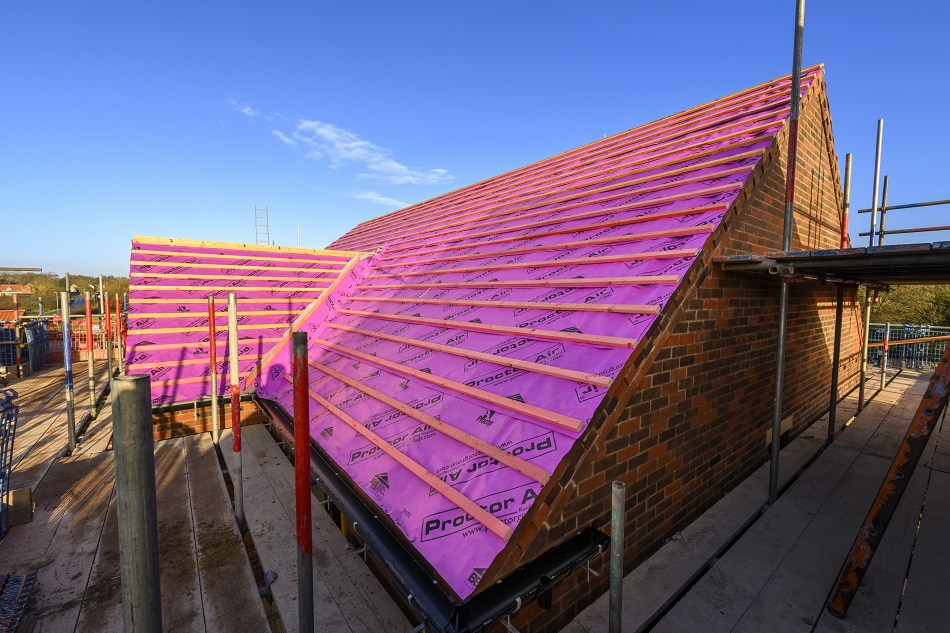
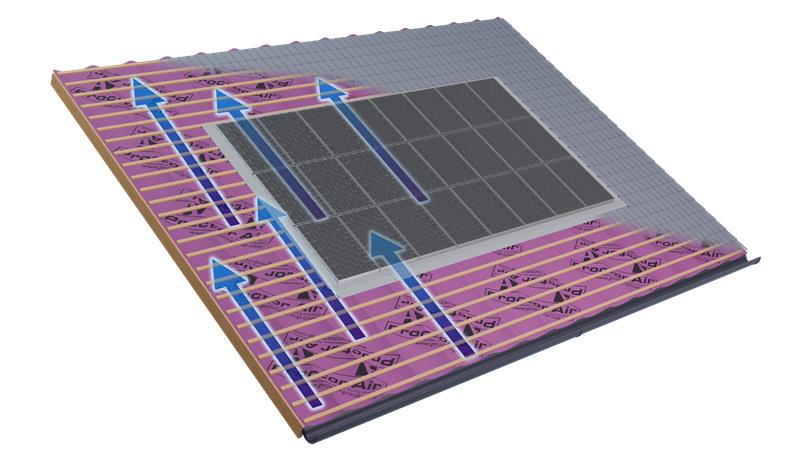
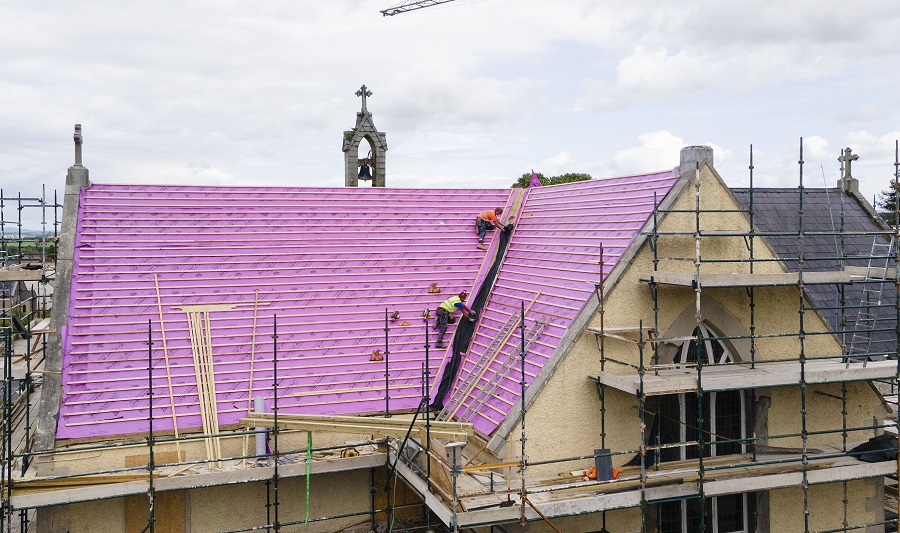
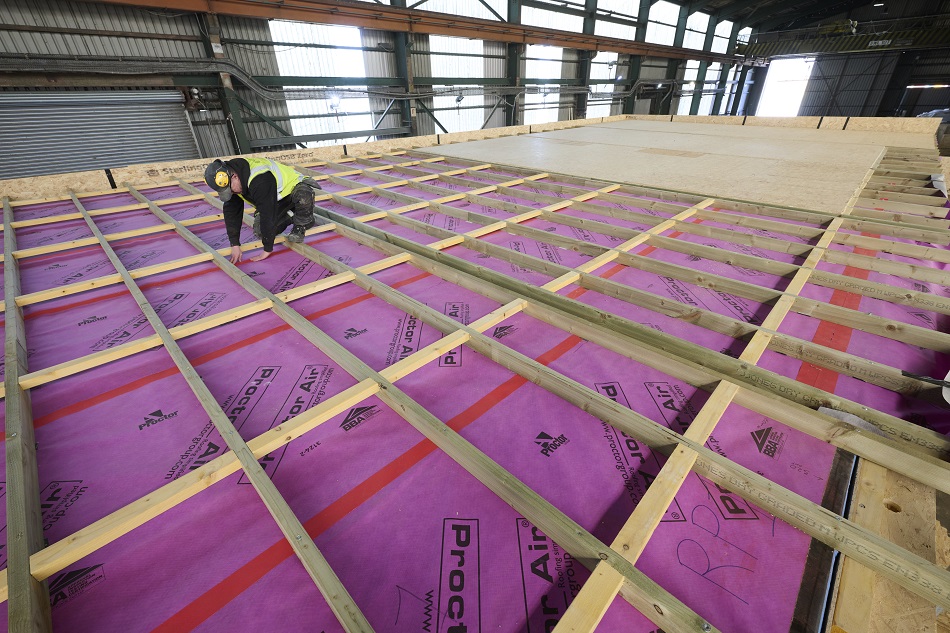
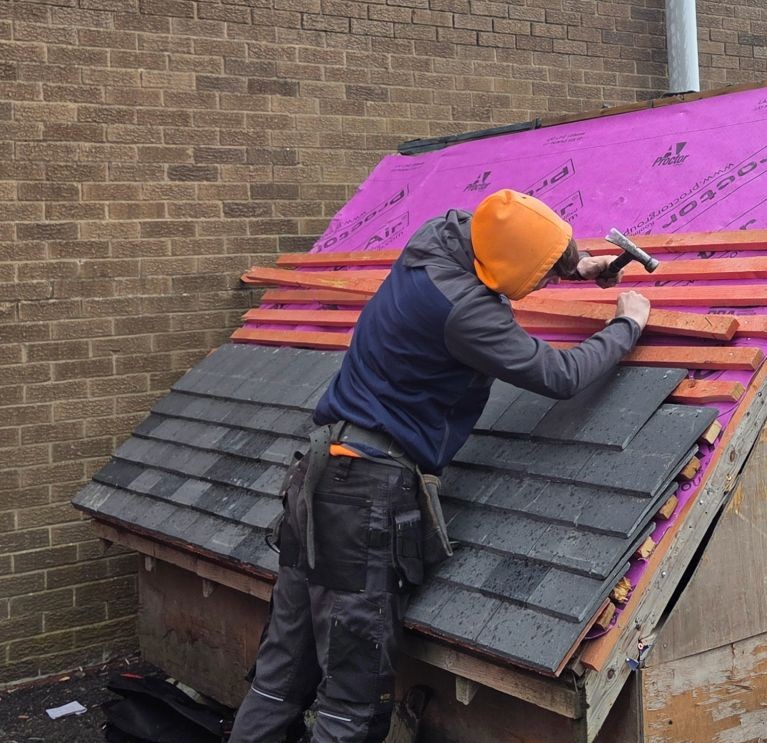
As an air permeable, low resistance (APLR) underlay Proctor Air allows the passage of both air and moisture vapour. This combination of qualities reduces condensation risk in roofs and avoids the need for separate roof ventilation products, as the underlay provides a more consistent flow of air than standard roof vent products.
Proctor Air’s performance is backed by a 15-year warranty, providing valuable peace of mind for housing developments of all kinds.
Both Huw and his chosen roofing contractor, AMF Roofing, were already familiar with Proctor Air.
“I’ve worked with AMF Roofing before and knew they were happy to use Proctor Air. We rely heavily on our suppliers and sub-contractors, so having trust in the quality of the end result is important.”
Huw Richards – Operations Director at Braddus Homes
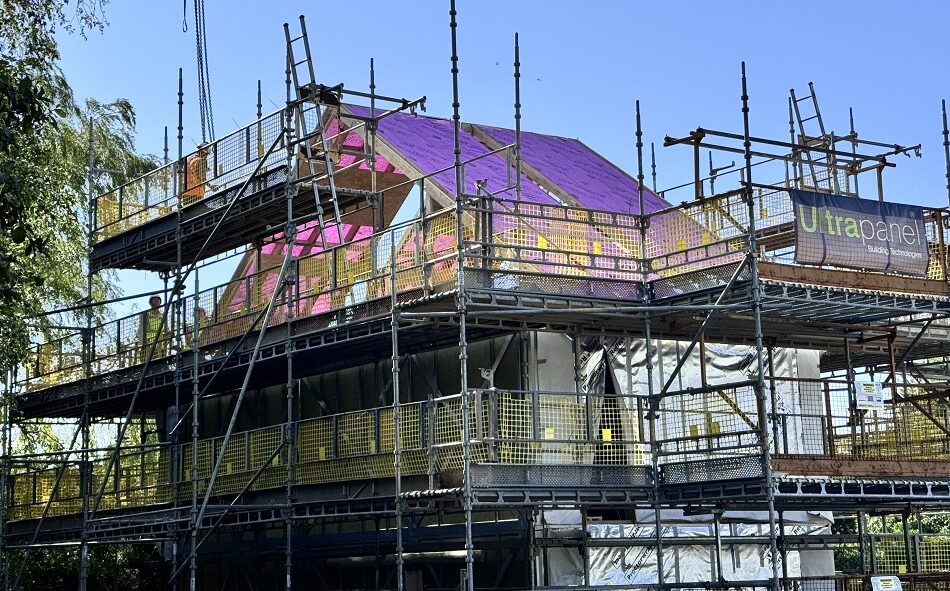
Proctor Air has proved popular with installers, including projects such as The Leaze and St Mary’s Barton. When an underlay is user-friendly, it increases the likelihood that it will be installed well, delivering the performance it promises.
For example, Proctor Air achieves an excellent Mullen burst strength result. This assessment of the fabric’s strength shows that the underlay helps it to resist normal roof installation loads. Also, an assessment of the slip resistance of Proctor Air shows it has a high coefficient of friction. This improves safety during the installation of the covering as part of normal safe working practices.