
What is radon?
Radon is a colourless and odourless gas that is both naturally occurring and radioactive. It forms as result of radioactive decay where uranium and radium are present, and moves through the fissures and cracks in rocks and soil.
Why is radon harmful to people?
The radioactive elements formed by radon’s decay can be inhaled into the lungs, where they continue to emit harmful alpha particles. These particles cause localised damage to lung tissue and lead to the development of lung cancer.
The most recent figures suggest around 1100 lung cancer deaths per year can be attributed to in-home radon exposure, though that figure may be influenced by other factors such as whether a person has a history of smoking.
Why is radon a risk in buildings?
While we all receive daily exposure to some radon, with the extent depending on where in the country we are, levels of the gas can intensify within buildings. Compared to exposure in the open air, the external walls of a home effectively contain the gas and potentially increase the occupants’ exposure.
Traditionally, this has been a concern in the areas where the highest levels of radon occur. However, with modern dwellings having a greater focus on airtightness , the possibility for radon levels within homes has increased across all areas. The effect is worsened where ventilation provision is poor and there is a low standard of indoor air quality.
Radon in national building regulations
Part C of the Building Regulations in England deals with resistance to contaminants, of which radon is one. Technical guidance on meeting the requirements of Part C is given in Approved Document C.
In Wales, the Building Regulations use the same structure as England thanks to the history of shared legislation. At the time of writing, Approved Document C in Wales gives similar technical guidance on meeting the requirements of Part C in Wales.
In Scotland, protection from radon gas is a mandatory standard under Section 3 of the Technical Handbooks, Environment.
Technical guidance points to a variety of external sources, including the Public Health England website www.ukradon.org and BRE Report BR 211.
How is radon measured?
Radon ‘activity’ (the amount of radon) is measured in becquerels, which is shortened to Bq. Radon levels in buildings are assessed in Bq/m3, the level of radon per cubic metre.
How much radon is present on my site?
The UK radon website referred to above includes the “radon potential map.” The whole UK land area is broken down into squares of 1km x 1km, giving each a maximum radon potential level.
The radon potential map received a significant update in 2022. It was the first such update in around a decade, and reflected the availability of newer and more accurate information. Some 43% of UK land was reclassified and led to many areas of England and Wales requiring increased radon protection.
Site-specific radon risk reports can be ordered, while it is also possible to undertake site measuring of radon to provide the most accurate results.
What are the different levels of radon risk?
Radon risk is defined based on a 2010 report by the then-Health Protection Agency (now the UKHSA). Limitation of Human Exposure to Radon set the ‘radon action level’ as 200 Bq/m3. It also set a ‘radon target level’ of 100 Bq/m3 as an ideal outcome for remediation works.
The radon action level is used to set ‘radon potential’ bands, expressed as a percentage of the homes in an area of the radon potential map expected to be at or above the action level. The three categories of radon risk are low, medium and high, with the radon potential set as follows.
- Low: less than 1%.
- Medium: 1 to 10% (no protection is required in bands below 3%).
- High: greater than 10%.
What protection measures are required for different radon potential?
Where an area’s radon potential is low, or medium and less than 3%, then no protection measure is required.
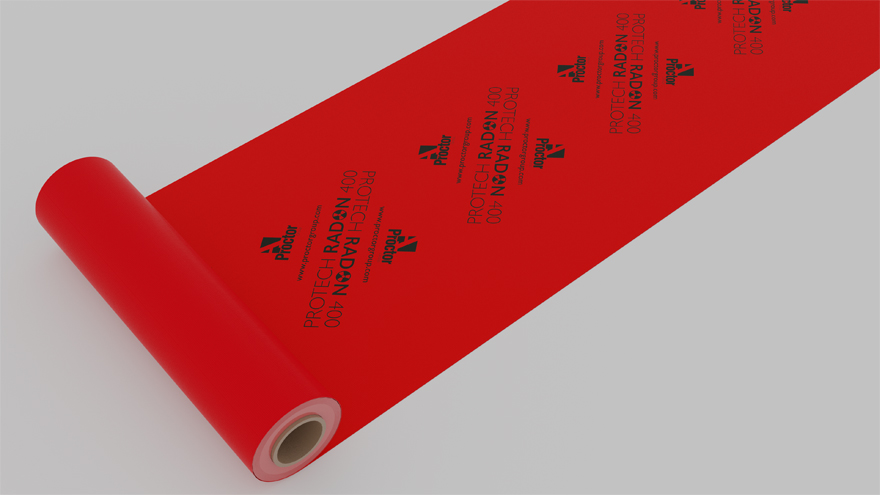
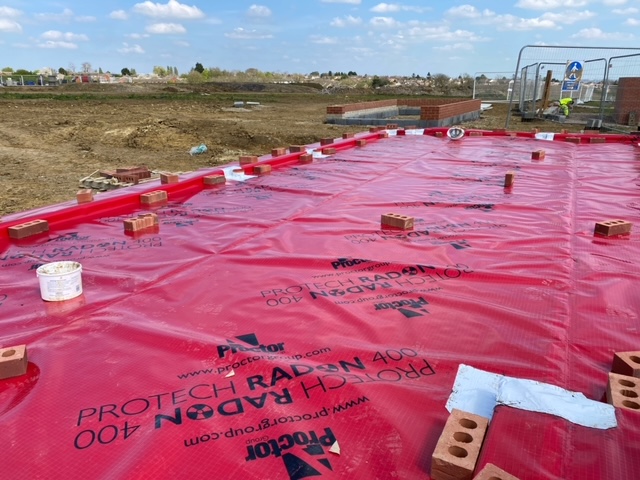
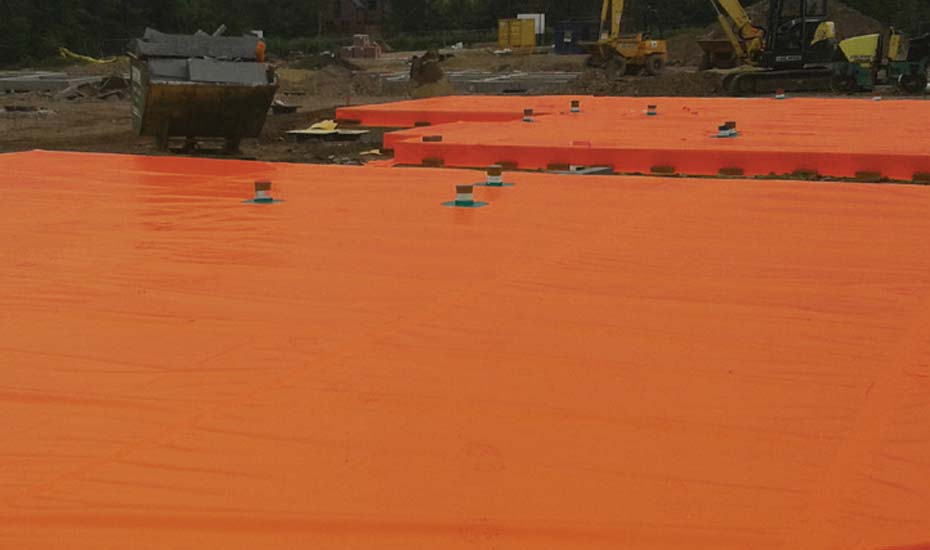
For a radon potential of 3 to 10%, basic radon protection is required. This takes the form of a radon protection barrier, such as Proctor Group’s BBA-certified Protech Radon 400 membrane.
When radon potential is greater than 10%, full radon protection is required. This entails a similar radon protection barrier as the basic protection level, together with a means of dispersing the radon gas by ventilating the subfloor.
Dispersion is generally achieved by installing a radon sump, along with the required pipework. Initially, it is installed as a passive system, but the system can become active if monitoring (typically over three months) shows levels of radon above the threshold.
Read more about protection measures in our article, Protecting Against Radon.
How should Protech Radon 400 be installed?
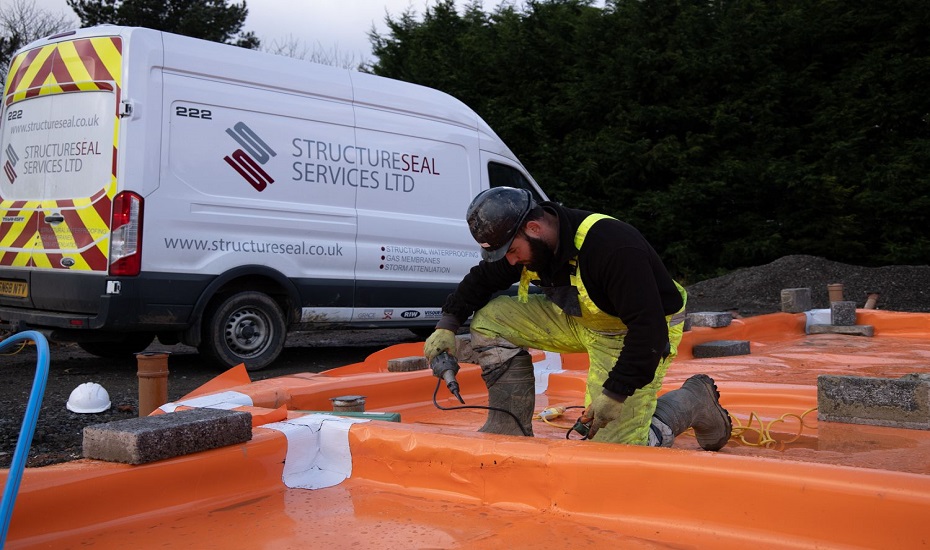
Correct installation of radon barriers like Protech Radon 400 is important to ensure that no radon ingress occurs. At Proctor Group, we also supply a range of tapes to help ensure the barrier is fully sealed. The membrane should continue across the cavity to prevent it acting as a route into the building for radon gas.
A relatively new development in the ground gas industry is the approval of installations by independent verifiers. Membrane installation should be reviewed and approved by a third-party verifier to ensure it has been carried out correctly – for example, without any unsealed joints.
What other details are important for ground gas membranes?
A crucial area for good detailing is any interface between a ground gas membrane in a floor and an external wall or facade membrane. Many membrane products serve multiple functions – e.g., Protech Radon 400 can also act as the damp proof membrane – so it is important to ensure the correct interactions between different products. Depending on the type and size of the project, different contractors may quote for and install the two as part of very different work packages – so good communication is needed.
Find out more about Proctor Group’s ground gas solutions: https://proctorgroup.com/ground-gas-protection
Related Products
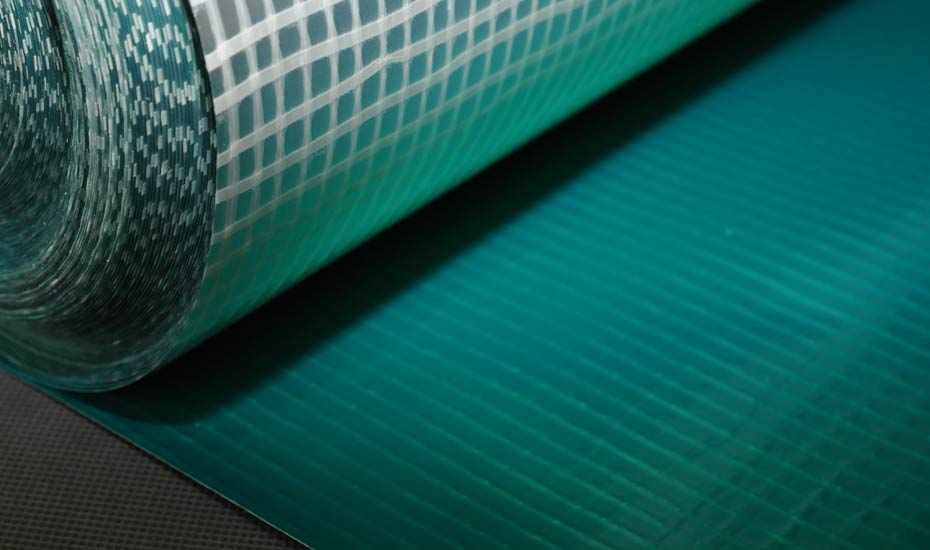
Protech GM Super – Reinforced Polyethylene and Foil Gas Barrier
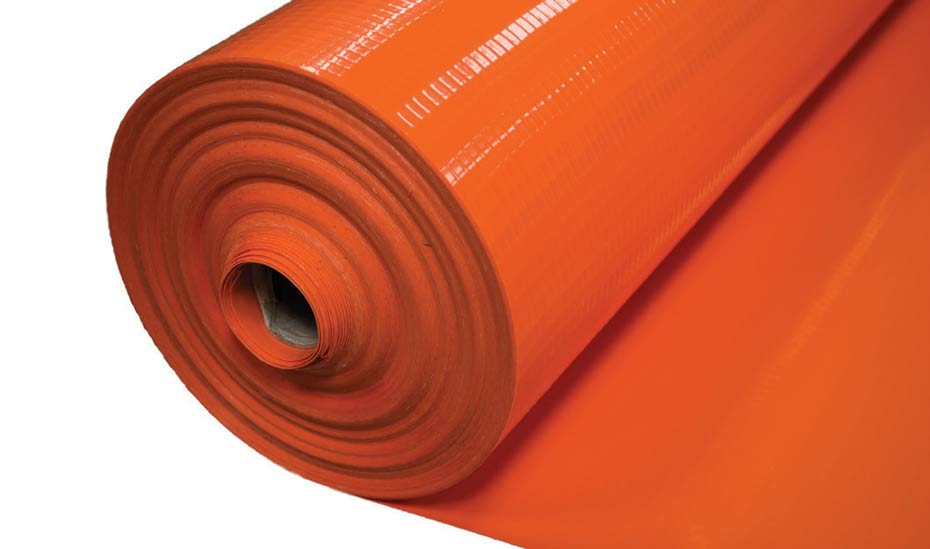
Protech VOC Flex – Flexible Proprietary Reinforced VOC Gas Barrier
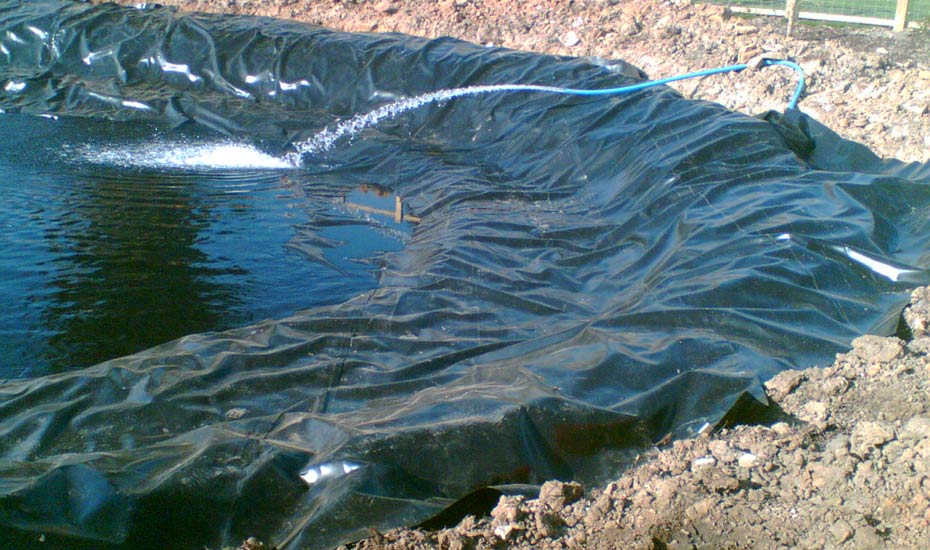
Protech GM PP – Reinforced LDPE, Loose, Laid, Gas Barrier
Latest Articles
Related Projects
Provoid – Titanic Quarter, Belfast
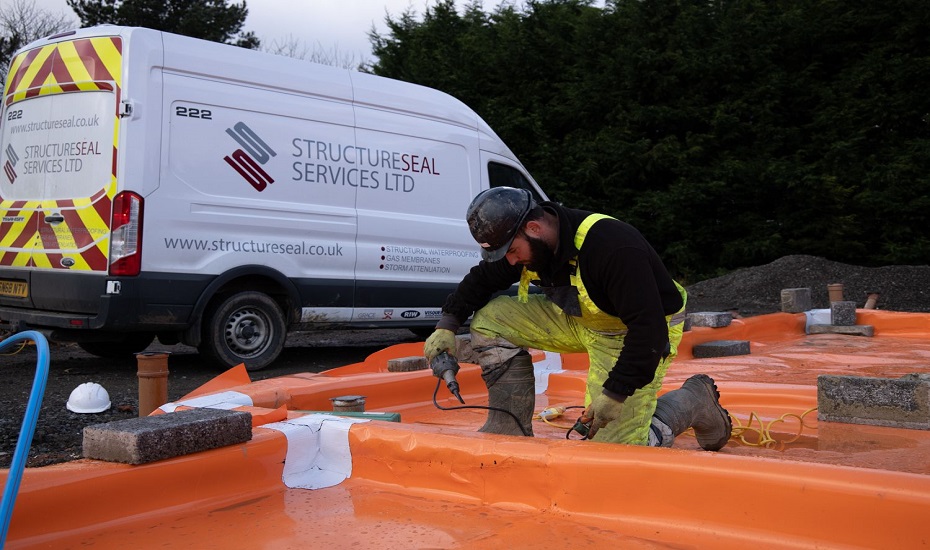
Protech VOC Flex – East Calder
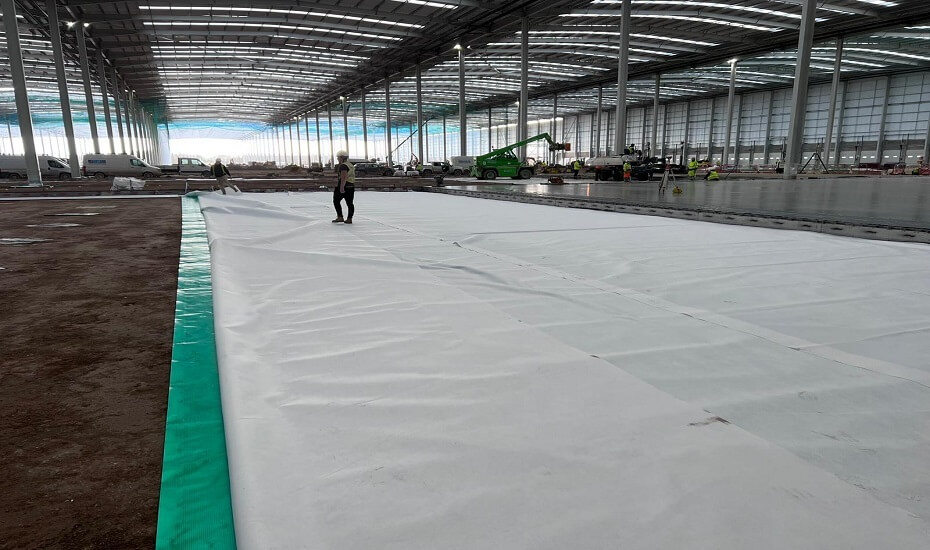
Protech GM Super – Bristol
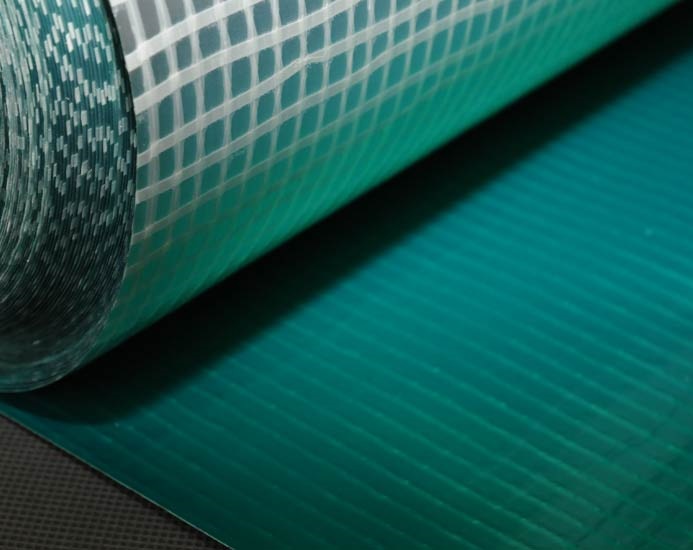
Protech GM Super – Stirling
Latest News


Request a Sample

Technical Advice

CAD Detail Review

U-Value Calculation

Book a CPD

Specification Check