
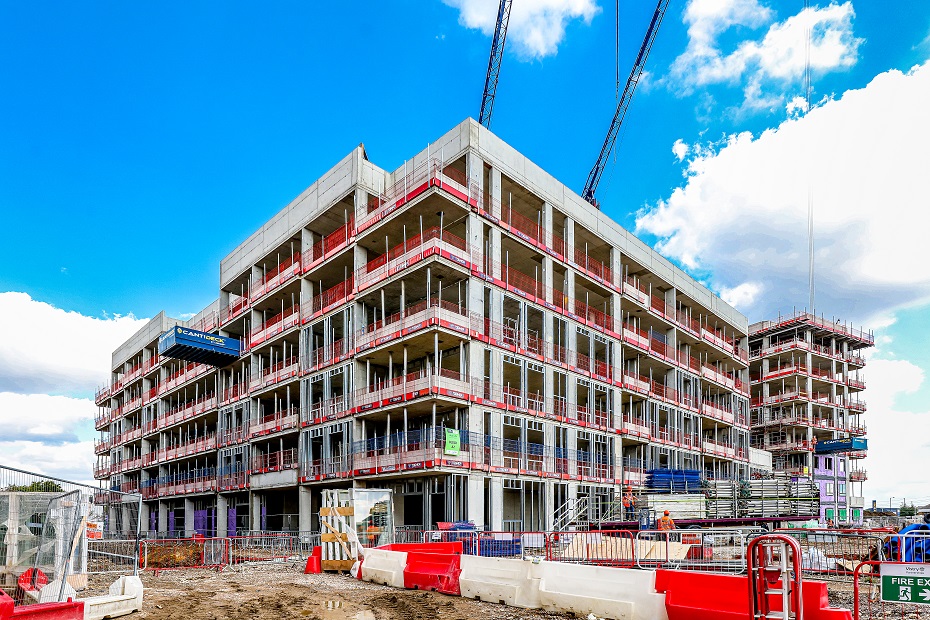
Protecting a building’s structural frame with a vapour permeable membrane (also referred to as a ‘breather membrane’) installed over the sheathing board is a well-established solution. Before external cladding is installed on a facade, vapour permeable membranes are crucial for temporary weather protection. Then they provide secondary protection when the cladding is in place.
As a result, there are a host of alternative membranes available in the marketplace. With that in mind, this article considers the following.
- With so much competition between solutions, what distinguishes one product from another?
- Why is there more to vapour permeable membranes than vapour permeability?
- What does Proctor Group’s mantra of “not all membranes are the same” mean in the context of vapour permeable membranes for facades?
At face value, a vapour permeable membrane is all about moisture within facade build-ups. “Moisture in buildings is considered to be a significant cause of many building failures,” says BS 5250:2021 Management of moisture in buildings – code of practice. First and foremost, a vapour permeable membrane should meet the requirements of BS 5250, which is where our discussion starts.
Why is BS 5250 important?
The essence of BS 5250’s importance is that, quite simply, it should be considered required reading for any construction professional.
As energy efficiency standards have tightened over time, buildings have become better insulated and more airtight. Yet the way in which we ventilate buildings and manage the moisture produced inside them has not necessarily kept pace.
Estimates suggest we spend around 90% of our time indoors. Many of our activities generate significant quantities of moisture. The assessment of moisture risk, usually in the form of condensation risk analysis, typically considers building elements in ‘perfect’ conditions, and yet almost all real-world scenarios are anything but perfect.
For that reason, BS 5250 underwent substantial revision in 2021. First published in 1989, the standard was the code of practice for the control of condensation in buildings for some thirty years. Since 2021, its title has reflected a change to becoming the code of practice for moisture management more widely – of which condensation risk is just one aspect.
Alongside the overall scope of the standard, one of the biggest changes was focusing on the need for joined up thinking between design and construction phases. The text addresses both design intent (‘as designed in theory’) and potential real-world issues (‘as built/in service’).
Not only that, but the number of construction types for floors, walls and roofs was expanded, covering a wider variety of materials and build-ups (cross-laminated timber, for example) and providing specific advice for each.
Thanks to the link between specification and in-service performance, following the principles of BS 5250:2021 doesn’t only stand to benefit moisture management – it can benefit the design and performance of the building as a whole.
What does BS 5250 say about vapour permeable membranes for facades?
BS 5250:2021 sets a clear definition for how membranes should perform to be classed as vapour permeable. In the context of the standard’s importance discussed above, this definition carries weight and should be considered the minimum level of performance for a ‘breather membrane.’
To meet BS 5250’s definition, the measured water vapour resistance of a membrane, referred to as its sd value, should be less than 0.12m (0.6 MNs/g) and greater than 0.05m (0.25 MNs/g).
(It is important to recognise that a vapour permeable membrane for a facade is very different to a low resistance (LR) pitched roof underlay, which also offers vapour permeability. An sd value no greater than 0.05m (0.25 MNs/g) is the threshold of performance for an LR underlay in a slated or tiled pitched roof.)
The definition also makes clear that a vapour permeable membrane intended for use in partially exposed applications, such as behind open rainscreen cladding, should also be UV-resistant.
What is the difference between vapour permeability and airtightness?
Vapour permeability and airtightness are two very different performance characteristics.
Water vapour resistance is a measure of how readily, or otherwise, a membrane allows moisture vapour to pass through it. If water vapour resistance is high then moisture build-up behind the membrane can lead to:
- an increased risk of condensation;
- the potential of structural frames drying out slowly (or not at all);
- other components in the façade build-up becoming exposed to moisture when they shouldn’t be (especially insulation); and
- indoor air being characterised by high humidity levels.
As referenced earlier, airtightness is an important aspect of the thermal performance of buildings. Keeping warm air inside buildings and cold air out reduces demand on heating systems and lowers energy use.
The airtightness line in buildings is often positioned to the inside of the external wall build-up. This makes it completely separate from the vapour permeable membrane layer to the outside of the facade. However, an internal airtightness line conflicts with the services zone and penetrations need to be adequately sealed. Continuity of the airtightness line – which is essential – is harder to achieve.
Moving the airtightness line to the outside face of the wall build-up overcomes this issue and continuity is easier to achieve. It also offers the possibility for combining vapour permeability and airtightness in a single membrane product.
Based on what we have covered so far, when looking to specify and install a vapour permeable membrane in a facade, there are two main points to consider.
- Does the membrane meet BS 5250’s definition of vapour permeable?
- Is an external airtightness line desirable for the project, and can the vapour permeable membrane provide it?
If the answer to both of those questions is ‘yes’ then it may seem like the only remaining point of differentiation is cost. As we’re about explore, however, not all membranes are the same and a lower upfront cost rarely delivers either lower prices or desired performance levels.
What makes Wraptite® the class-leading membrane for vapour permeability and external airtightness?
Proctor Group’s Wraptite® external airtightness membrane offers a host of product and performance benefits that make it the class leader. Its technical performance is verified by a BBA certificate, with 2025 marking a decade of Wraptite’s original certification.
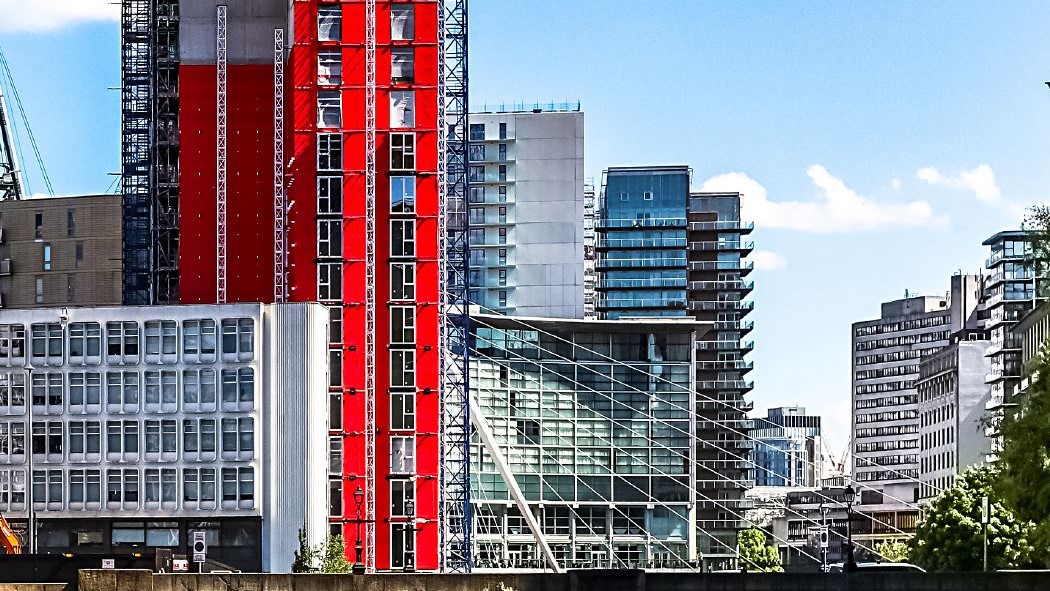
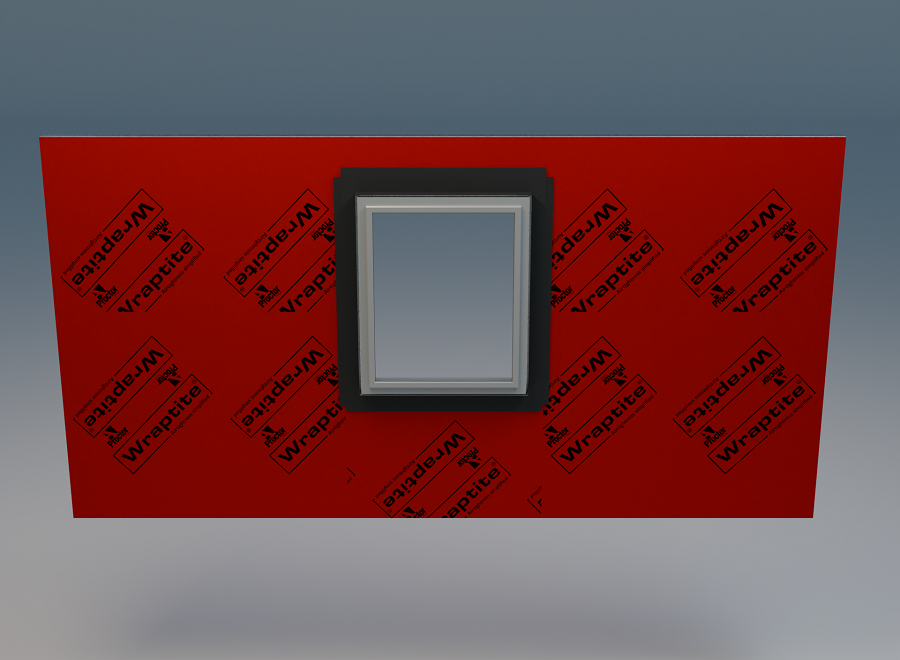
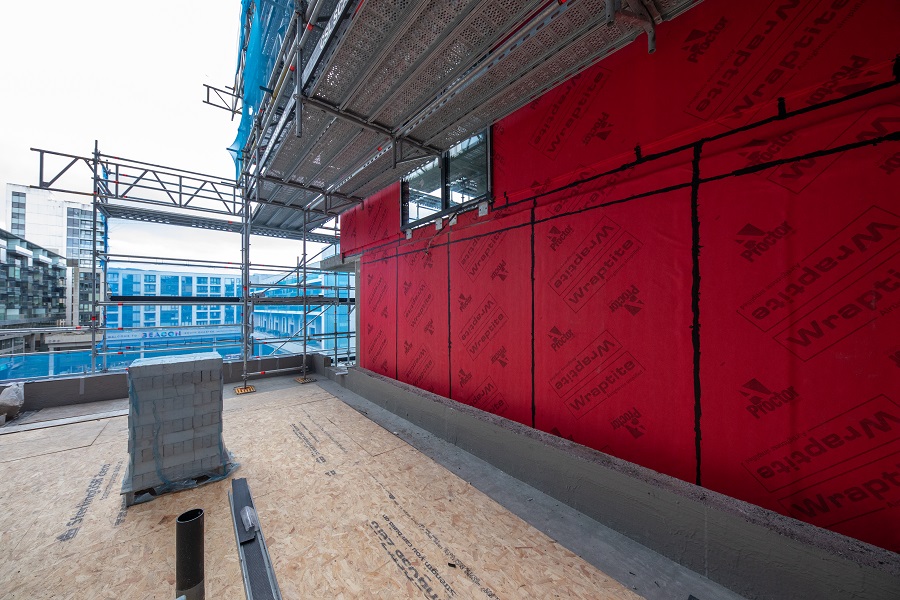
As a self-adhered membrane, Wraptite is easy to apply compared to a membrane that requires mechanical fixings. It provides a consistent seal, effectively wrapping the building. And, thanks to its distinctive colour, installers have a reliable visual indicator of continuity.
Creating a self-adhered membrane is not as simple as taking a membrane and just adding adhesive. In fact, there are many ways in which adhesive can negatively impact the performance of the base membrane.
Ideally, the adhesive should be both vapour permeable and air permeable. Why an air permeable adhesive when the membrane is airtight? Because it reaches the membrane faster. It then passes through the vapour permeable (but airtight) membrane, helping to reach and maintain moisture equilibrium faster.
Start looking into the wind resistance performance of membranes and you find that other products need tapes, adhesives, primers or accessories to support their installation. On a square metre basis, another product may appear cheaper. But if it needs bigger overlaps or additional accessories, or takes longer to install, then it suddenly becomes a lot less economical.
How else does Wraptite differentiate itself from other airtight vapour permeable membranes?
Wraptite features patented technology that helps to deliver its unique vapour transmission properties. Most other membranes don’t enjoy that technology and therefore can’t offer the same vapour permeability. And some ‘vapour permeable’ products do not even meet the basic definition given by BS 5250!
An advantage of Wraptite’s track record in UK construction projects is the confidence that comes from knowing it will work, and has been proven to do so.
What is right for one market is not necessarily best-suited to another market, and we are seeing self-adhered membranes entering the UK that were initially designed for use in Europe. These products use different adhesives and a different membrane construction, because they are designed to meet a different definition of ‘breathable’ based on higher water resistances.
Wraptite’s track record is backed up by a comprehensive suite of testing and accreditation that other products cannot match.
At Proctor Group, we carry out testing on various substrates to fully understand how Wraptite performs. Other products have more limited testing that doesn’t correlate to all applications, and some have no third-party certification at all.
While we’ve talked mainly about vapour permeability and airtightness in this article, lack of testing and certification is a particular concern when it comes to fire performance.
There may be products being marketed with certain levels of fire performance, without test data to back up the claims. Other solutions lack a sufficient reaction to fire classification or fire resistance testing, which a manufacturer may not make clear.
Nuances in product behaviour – whether in terms of permeability, strength or fire performance – are critical to performance and safety. Using something that performs differently to an established solution like Wraptite puts extra pressure on specifiers and installers to understand what the alternative is offering, and to make sure that facades are well-designed to avoid trapping moisture and causing issues within the build-up.
In the face of aggressive marketing or cost-saving quotes, it’s vital to get the information needed to make informed decisions. That can be daunting for specifiers and installers, and only serves to increase the importance of responsible manufacturers taking the opportunity to transparently explain the characteristics and performance of their solution.
Related Products
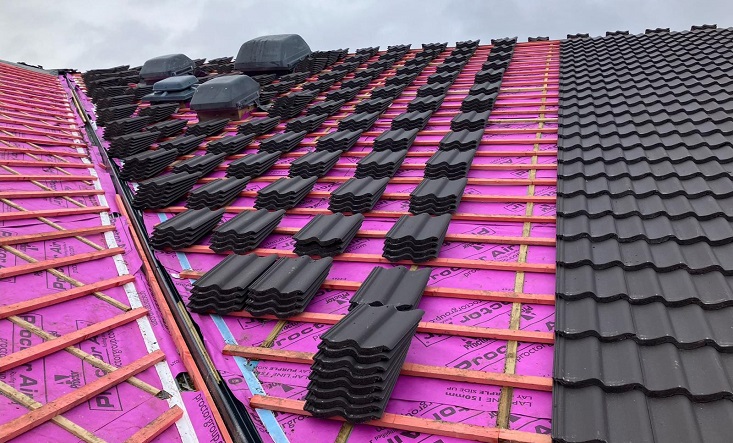
Proctor Air® – Air & Vapour Permeable Roofing Membrane
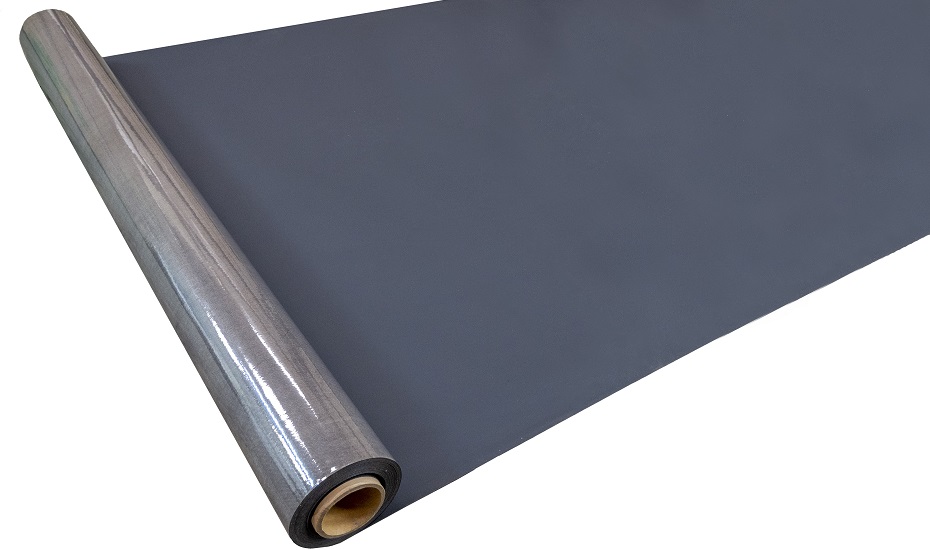
Wraptite® UV – Class B-s2,d0 Fire Rated Membrane
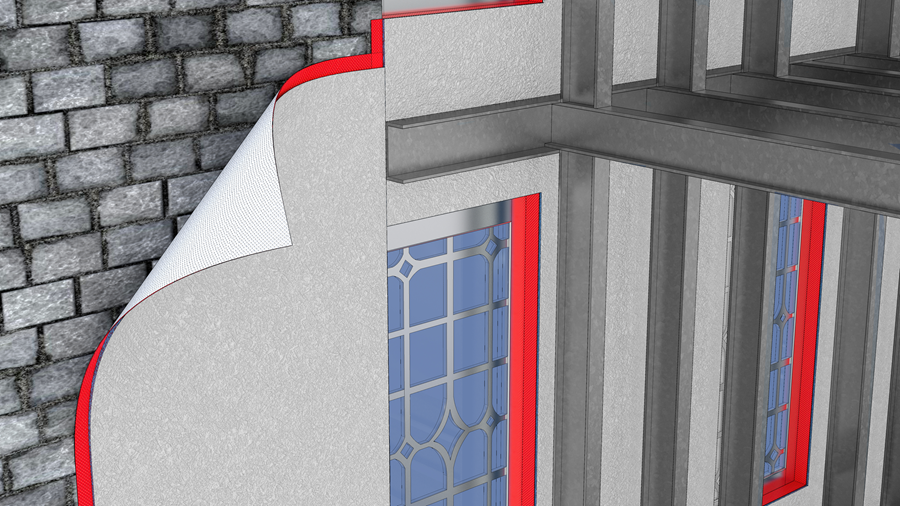
Wraptherm® – Airtight Insulated Membrane
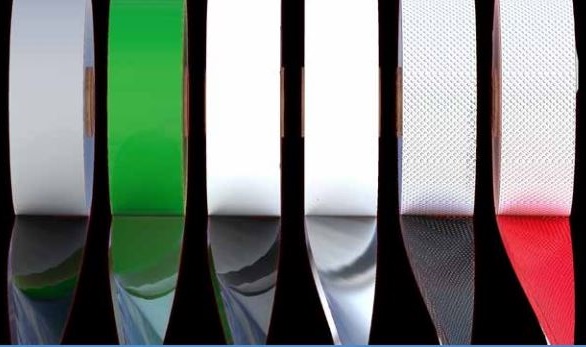
Airtightness Tapes
Latest Articles
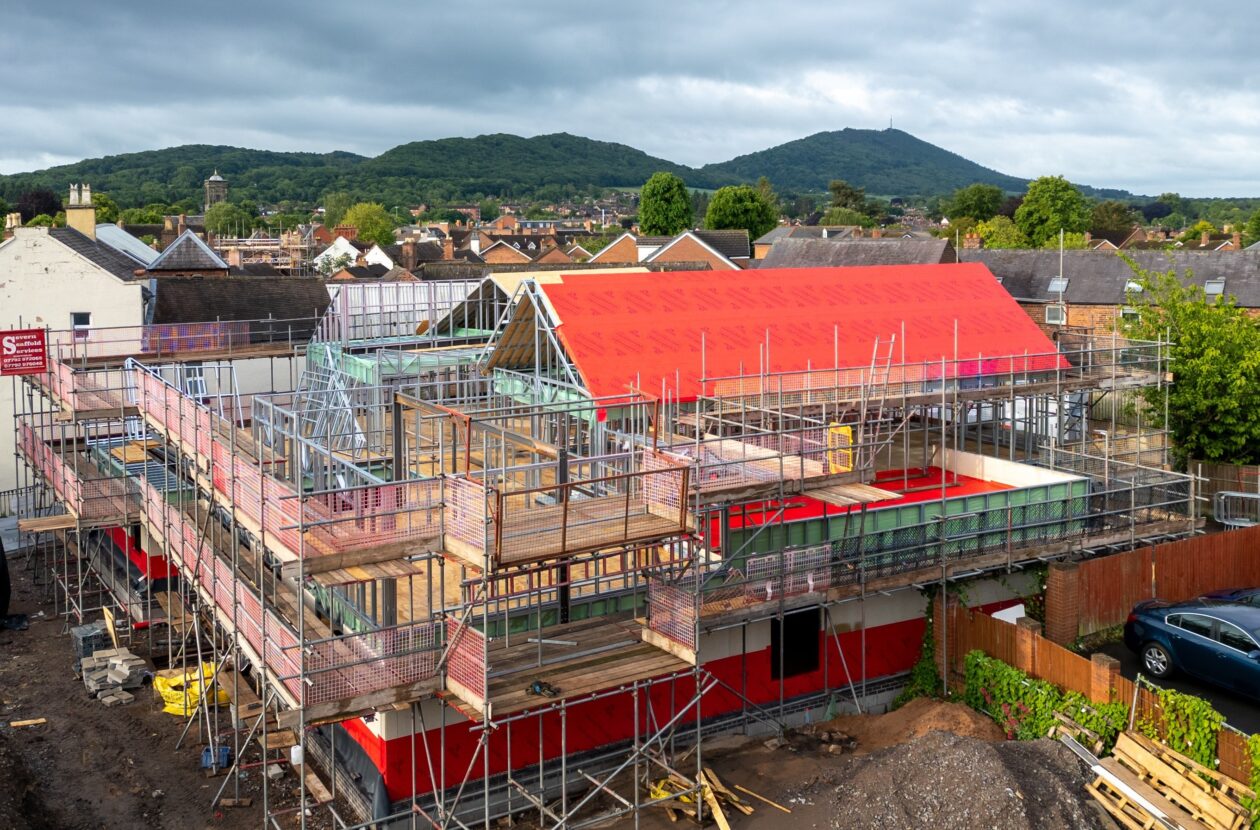
Related Projects
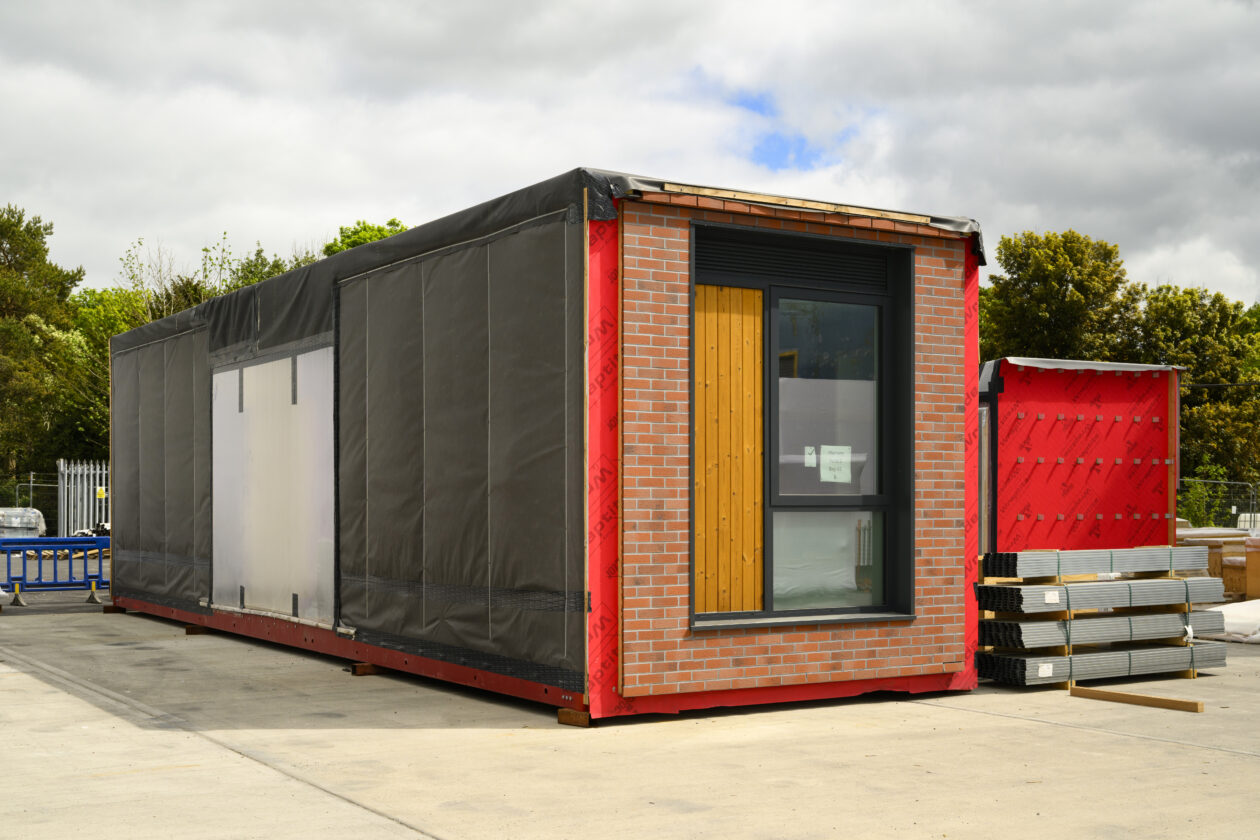
Reds10: Wraptite® for Near-Passivhaus Airtightness in Modular Construction

Jacob’s Island: Wraptite® for NZEB Apartments
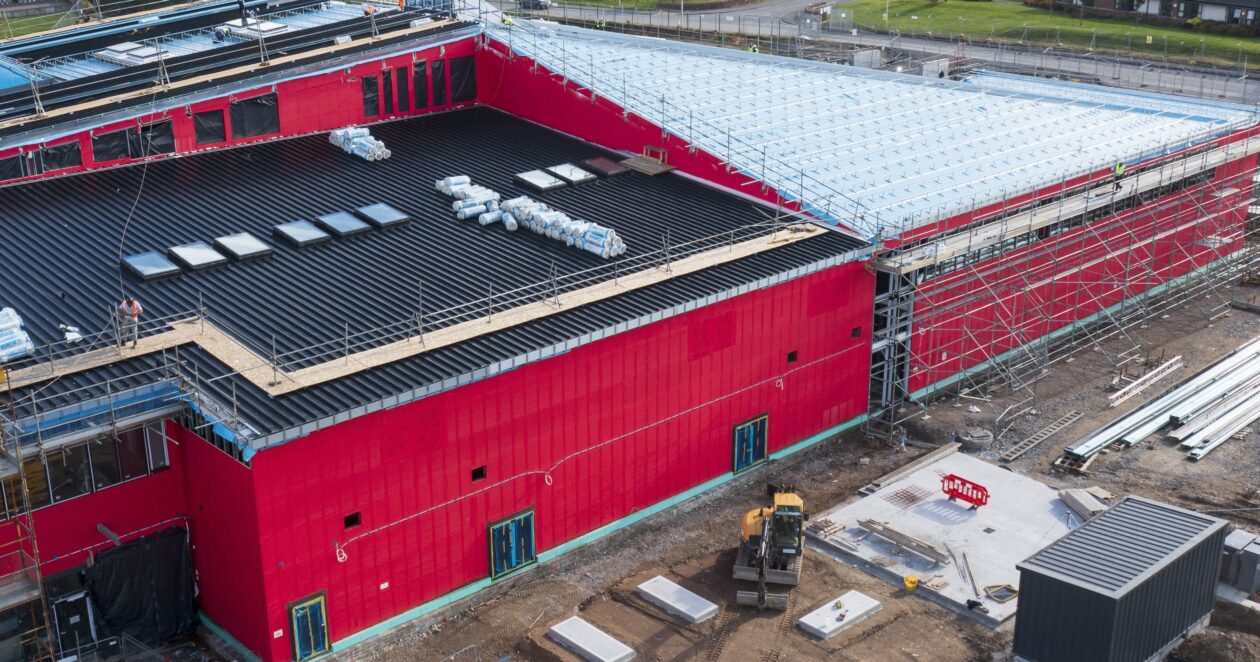
Tain Campus: Wraptite® for Passivhaus Airtightness with Offsite Installation
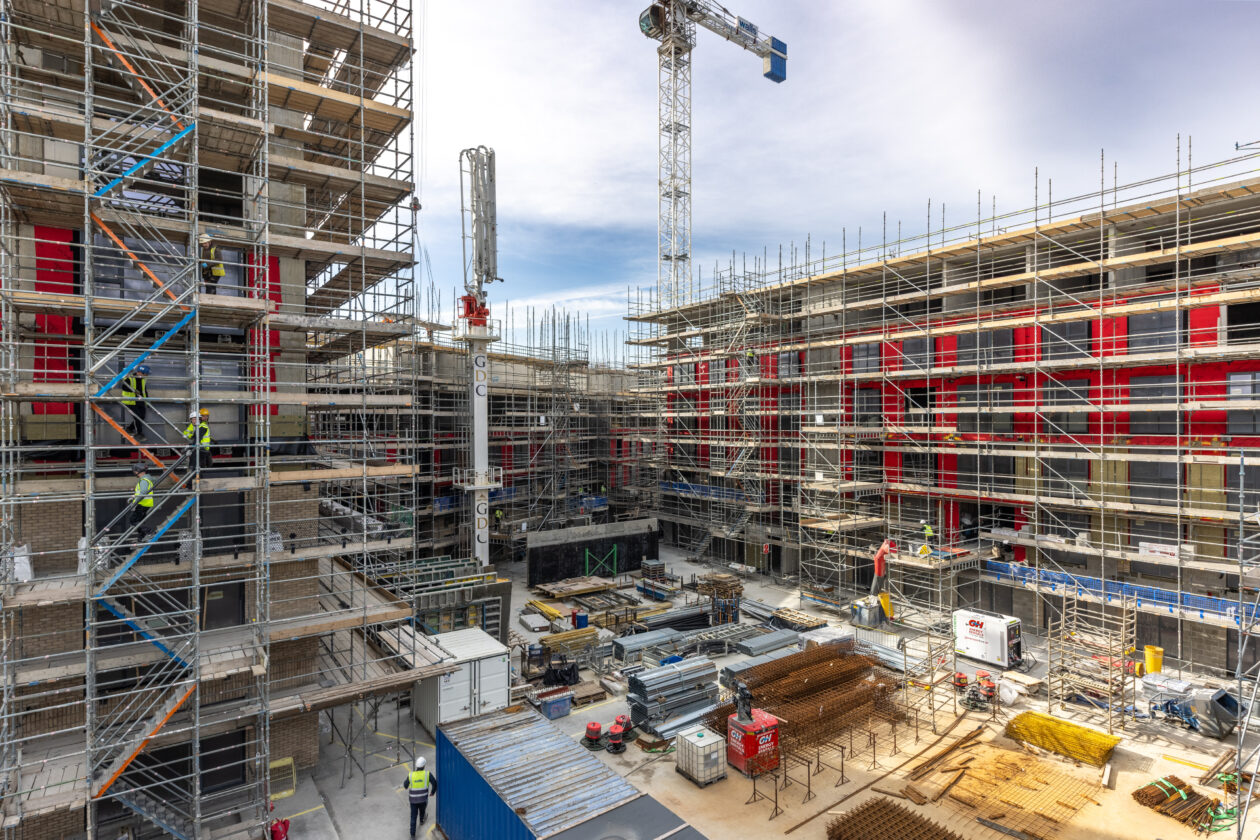
Lightburne: Wraptite® for Airtightness and Wind Resistance in Apartment Facades
Latest News

Request a Sample

Technical Advice

CAD Detail Review

U-Value Calculation

Book a CPD

Specification Check