
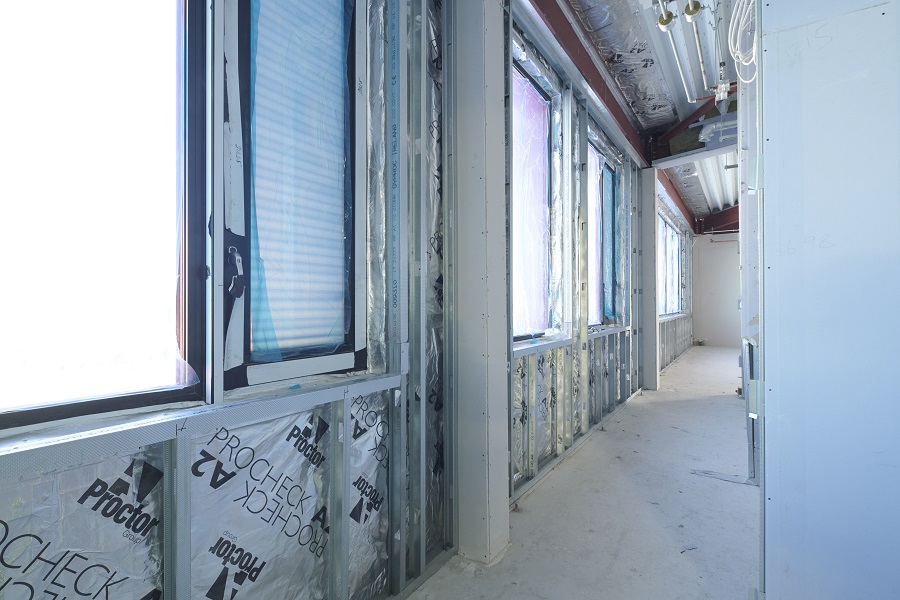
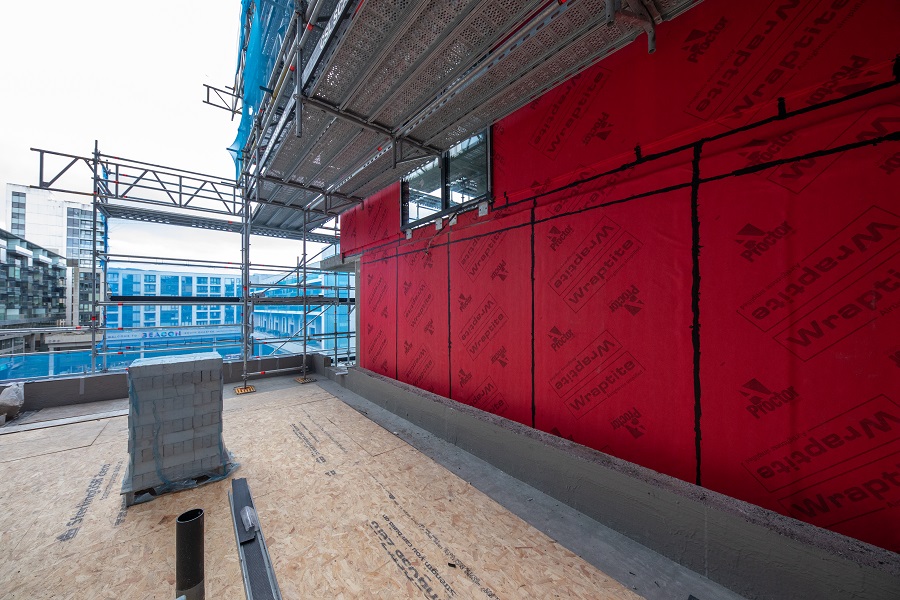
When the Building Regulations were changed in 2018 to require non-combustible or limited combustibility materials in the external walls of relevant buildings, membranes were exempt. Even so, manufacturers have developed A2-rated membranes. Pamela Howat, Senior Technical Advisor at Proctor Group, looks at how fire classifications are determined and what specifiers and contractors should keep in mind.
Regulation 7(3)’s exemption of membranes means it is acceptable to specify a product classified as B-s3,d0 for the external wall of a relevant building.
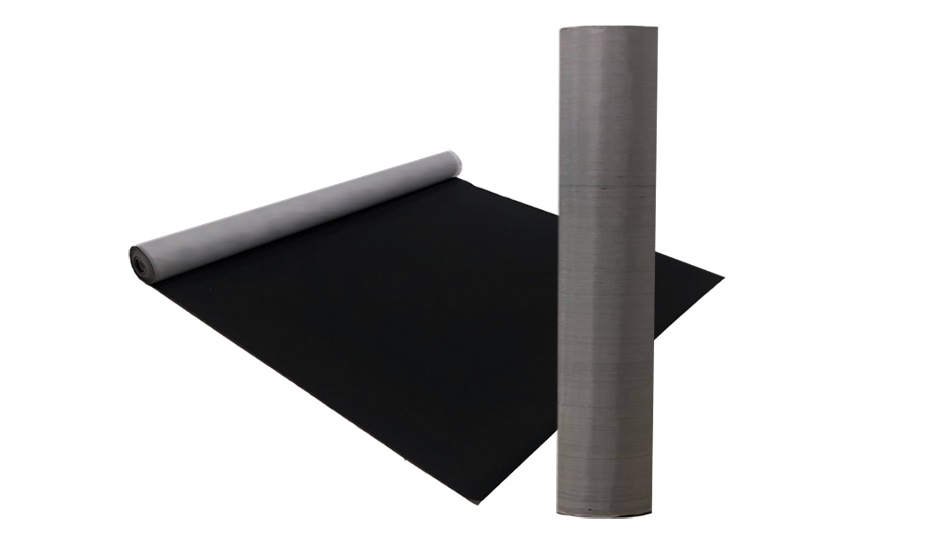
Despite this, some specifiers aim for an A1 or A2 rating throughout the wall build-up. Membrane manufacturers have therefore risen to the challenge of developing products that offer better fire performance, and can offer membranes that achieve a reaction to fire classification of A2-s1,d0.
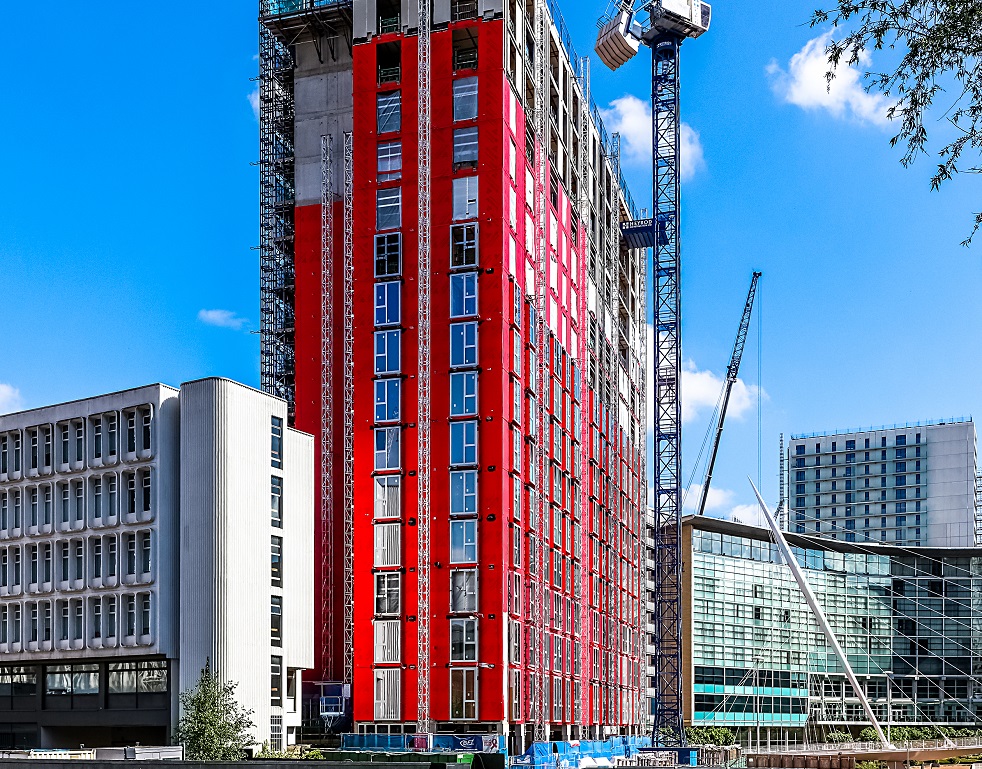
Anybody aiming for this improvement over the minimum standard should do so with the understanding of why they want to achieve it – not least because fire performance is just one aspect of holistic building envelope performance.
An A2-rated membrane might not deliver the same vapour permeability or water hold out as a class B membrane. Limited combustibility might be better in terms of fire performance, but not necessarily better in terms of the overall building fabric.
Is it acceptable to break membrane specifications?
Like other products in facade specifications, construction membranes are vulnerable to being swapped out for cheaper alternatives that may appear to offer similar performance. Cost alone, however, is not a good enough reason to deviate from a specification.
There may be a genuine debate to be had between specifier and contractor about the value of switching to a class B membrane if it benefits the building fabric as a whole.
But where a swap is proposed because the membrane offers the same reaction to fire classification and is cheaper, a particular level of care is needed. Such a substitution could introduce unintended fire safety risks, due to differences in testing that are not immediately obvious from the declared classification.
Before we explore that further, it is helpful to first understand how reaction to fire classifications for membranes are established.
Multiple tests determine reaction to fire classifications
With its best-to-worst A1 to F system, BS EN 13501-1’s reaction to fire classifications might seem relatively straightforward at first glance.
However, BS EN 13501-1 specifies four types of fire test, of which products undergo different combinations depending on the level of fire performance expected and the classification being sought. The four tests are:
- BS EN ISO 1182:2020 non-combustibility test
- BS EN ISO 1716:2018 calorific value
- BS EN ISO 11925-2:2020 small flame
- BS EN 13823:2020 + A1 2022 single burning item (SBI)
When considering the difference between membrane classifications, a B-classification means the membrane performed very well on a single flame source test. It also achieved a pass from the SBI test. To reach an A2 classification, the SBI test must be passed and the product must also release no more than a certain amount of energy in a calorific test.
The ‘s’ and ‘d’ parts of classifications refer to smoke and flaming droplets respectively, and range from s1 to s3 for smoke and d0 to d2 for flaming droplets (lower numbers represent better performance).
What substrates have membranes been tested with?
It might seem as if there is little to differentiate between membranes of the same classification. However, there are nuances that change the way individual tests are carried out.
For example, as part of the BS EN ISO 11925-2 small flame test, the flame is placed either on the face or the edge depending on final application.
And the BS EN 13823:2020 SBI test is carried out as the product is intended to be used. That could be fixed over a substrate (with overlaps, tapes, fixings etc.) or free hanging (with no substrate behind influencing the performance). End results vary significantly depending on what substrate (if any) has been used for the test.
Any deviation from the standard substrates in BS EN ISO 13238 means the result is applicable only to that particular product and scenario, rather than generic acceptance.
There is a shift towards testing whole systems
With more focus on how components of a system react with each other, fire tests should ideally be carried out in accordance with the standard substrate document. When looking to try and substitute one membrane for another, identical fire classifications may not tell the full story of how the two products have been actually tested to obtain that classification.
Moving towards system solutions – such as the ones Proctor Group can offer with our combination of Wraptite® and Proctor A1 Cement Board – ensures that what is built resembles what is designed and specified.
Substituting membrane products takes away some of that confidence and can potentially increase the risk of build-ups not performing as intended. The introduction of Gateway 2 as part of the Building Safety Act also means it is no longer as simple to make specification changes, even though swapping to an alternative membrane might seem like only a minor adjustment.
Find out more at https://proctorgroup.com/all-products
Related Products
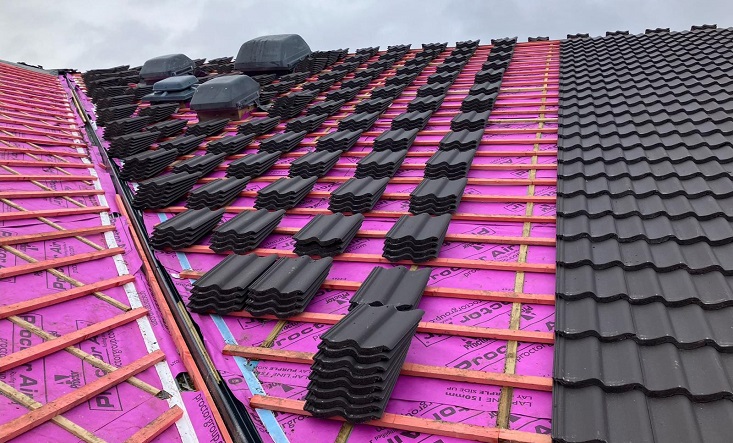
Proctor Air® – Air & Vapour Permeable Roofing Membrane
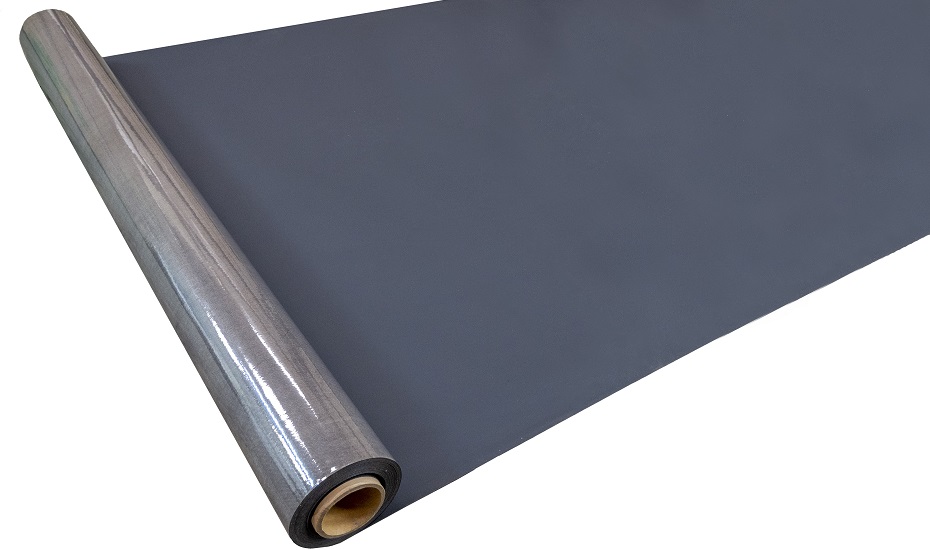
Wraptite® UV – Class B-s2,d0 Fire Rated Membrane
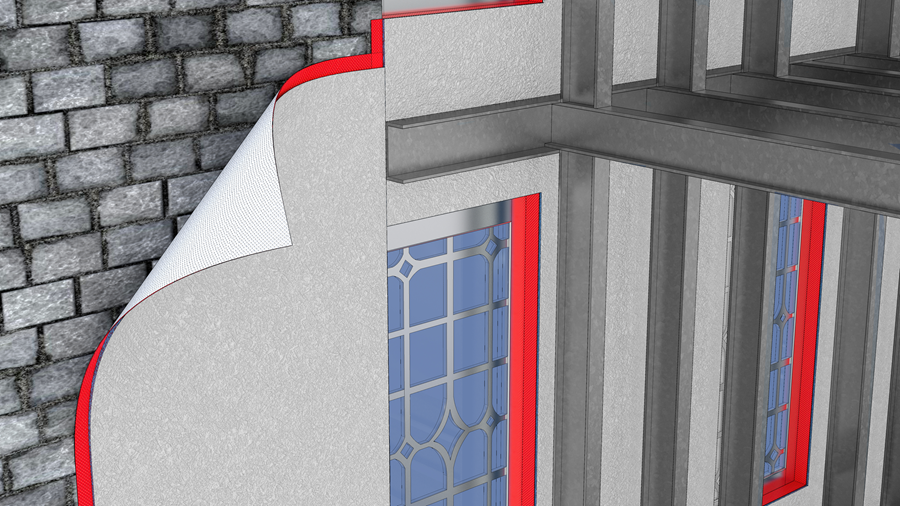
Wraptherm® – Airtight Insulated Membrane
Airtightness Tapes
Latest Articles

Related Projects
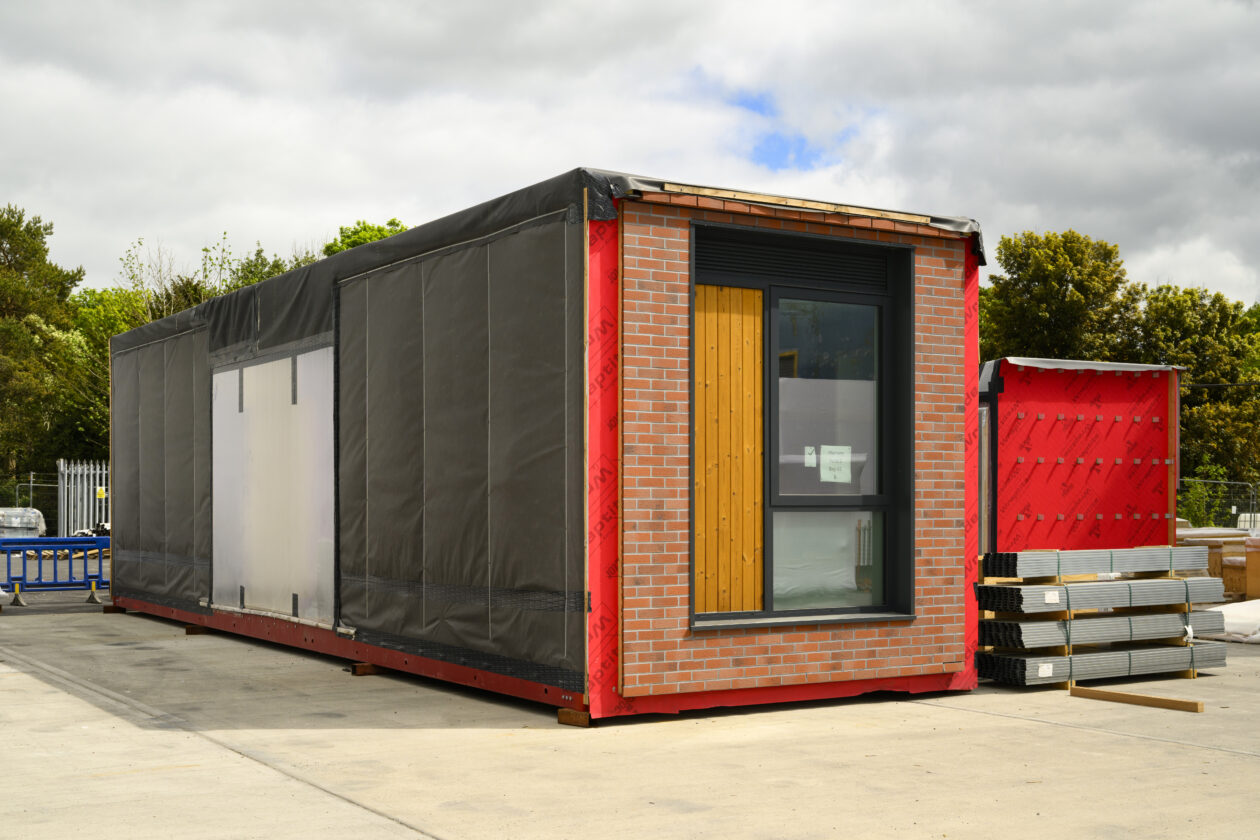
Reds10: Wraptite® for Near-Passivhaus Airtightness in Modular Construction

Jacob’s Island: Wraptite® for an A2 Energy Rating in NZEB Apartments
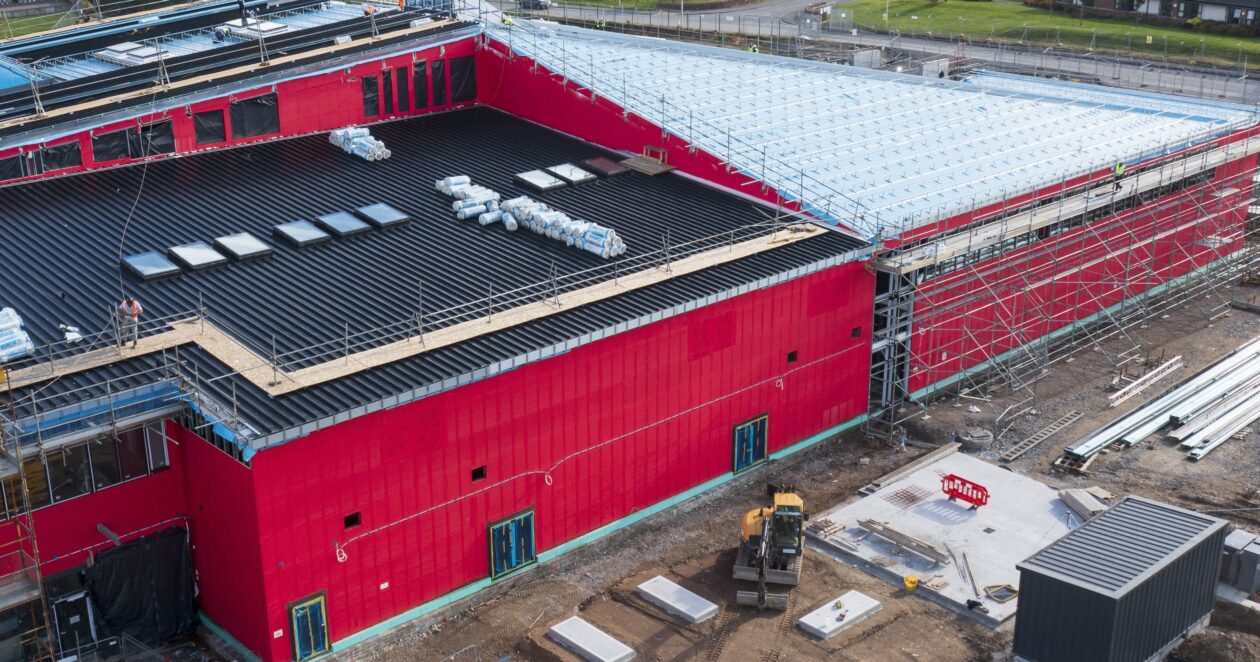
Tain Campus: Wraptite® for Passivhaus Airtightness with Offsite Installation
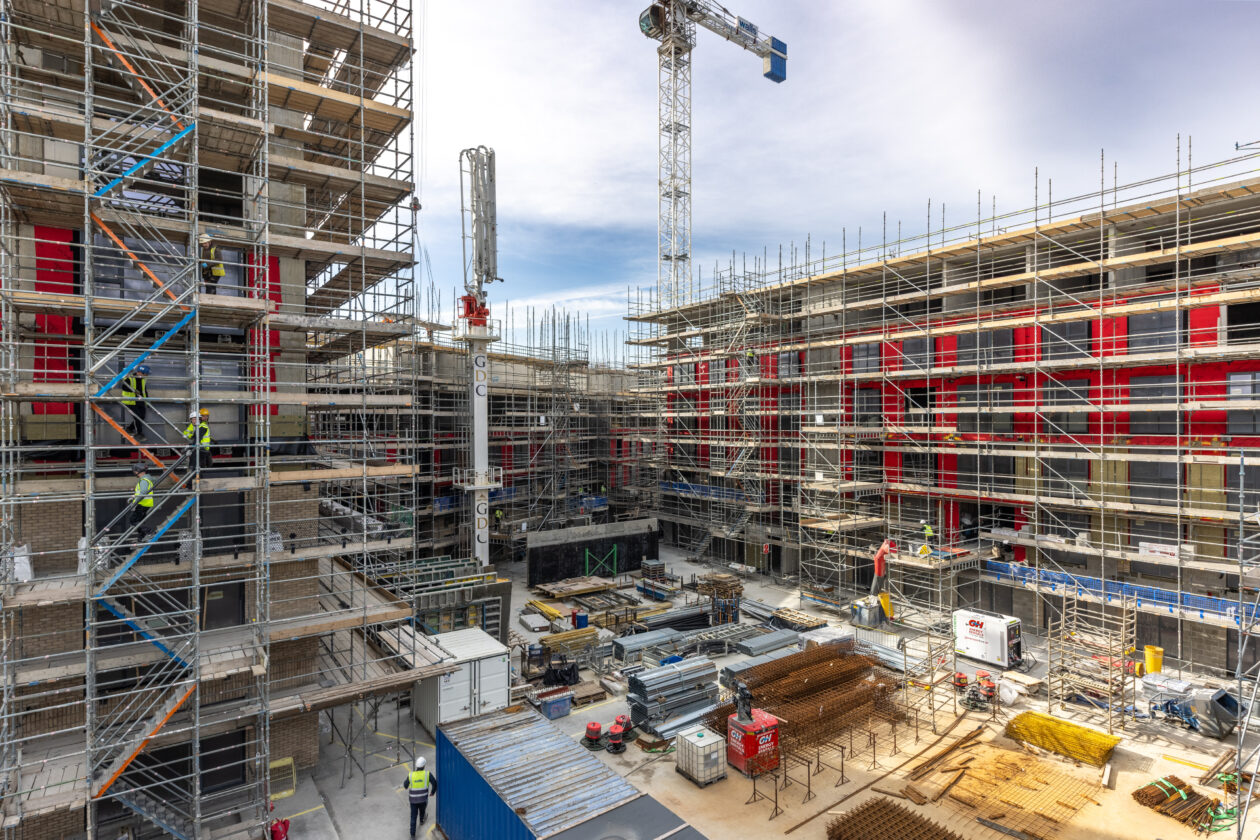
Lightburne: Wraptite® for Airtightness and Wind Resistance in Apartment Facades
Latest News
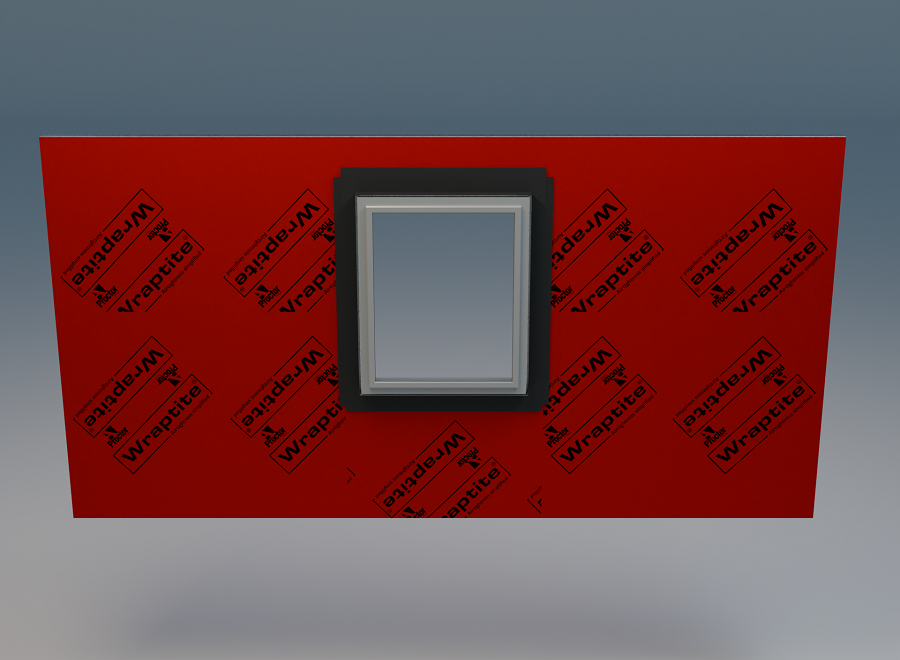

Request a Sample

Technical Advice

CAD Detail Review

U-Value Calculation

Book a CPD

Specification Check