
Airtightness: Air Permeability (m3/hr/m2) And Air Changes Per Hour (ACH)
In last month’s issue we looked at vapour permeability and how it is measured. In facades and framed constructions, it is often desirable for vapour permeable (“breather”) membranes to also be airtight.
This combination of qualities means that, installed on the external face of the wall structure, the vapour permeable membrane can also provide the airtightness line.
Moving the airtightness line away from the internal face significantly reduces the number of service penetrations through the airtightness line. Less sealing and patching is required, and the overall airtightness of the building is likely to be better.
Good airtightness is part of holistic, energy efficient building fabric specification. Thermal insulation retains heat in winter and keeps it out in summer, but the effectiveness of insulation is reduced if air leakage allows uncontrolled air movement that bypasses the thermal envelope.
In national building regulations, airtightness is expressed in terms of air permeability. The units m3/hr/m2 mean the volume of air lost per hour, for every square metre of building fabric.
The Passivhaus standard works on air changes per hour (ACH), where the air leakage is instead divided by the internal volume of the building. A measure of 1 ACH means the building’s entire volume of air is replaced in an hour.
Both are usually measured at a pressure difference of 50 Pascals. The better the airtightness in a building, the more important the specification of mechanical ventilation to provide controlled air movement.
Thermal Transmittance: U-value (W/m2K)
Last month we talked about how, to produce a Glaser method condensation risk analysis, membranes must first be included in U-value calculations (since the same software typically does both calculations). To calculate the U-value of a building element, each component of the element must be included.
Materials have a thermal conductivity, expressed as W/mK – the amount of heat energy (Watts) conducted per metre of material thickness, per degree (Kelvin) of temperature difference between one side and the other. Thermal conductivity is a general property of a material.
For a U-value calculation, a product’s thermal conductivity must be combined with its thickness to derive a thermal resistance, or R-value (m2K/W). The R-value of each layer in the build-up is then summed, and the inverse sum gives the U-value.
As construction membranes are so thin, thermal performance characteristics are generally not declared. Even if you established a thermal conductivity for a particular membrane, the R-value of something that is a fraction of a millimetre thick would be negligible. It makes no meaningful contribution to the total thermal resistance of the element.
However, that is not to say membranes can’t influence U-values.
In framed constructions, where a membrane faces into a clear cavity, the surface of the membrane can affect radiative heat transfer through the air in the cavity. For this to happen, the membrane must have a low emissivity (there are no units associated with emissivity, just a value between 0 and 1).
Where a low emissivity membrane is used, it doesn’t change the performance data entered in the U-value calculation for the membrane. What changes is the thermal resistance of the air space the membrane faces into, and it is helpful to be aware of that.
Don't Be Afraid To Ask
This article aims to encourage confidence in using and understanding units of measurements. Even so, always check with a manufacturer if you are unsure about a unit of measurement and how it relates to a particular application.
The Proctor Group technical team is on hand to support you from the earliest stages of projects, directing you towards the most appropriate solutions to support the desired outcomes. That includes giving expert guidance on thermal performance and vapour permeability characteristics to help manage moisture and contribute to overall energy efficiency requirements.
Find out more: https://proctorgroup.com/support-and-services
Latest Articles


Related Projects
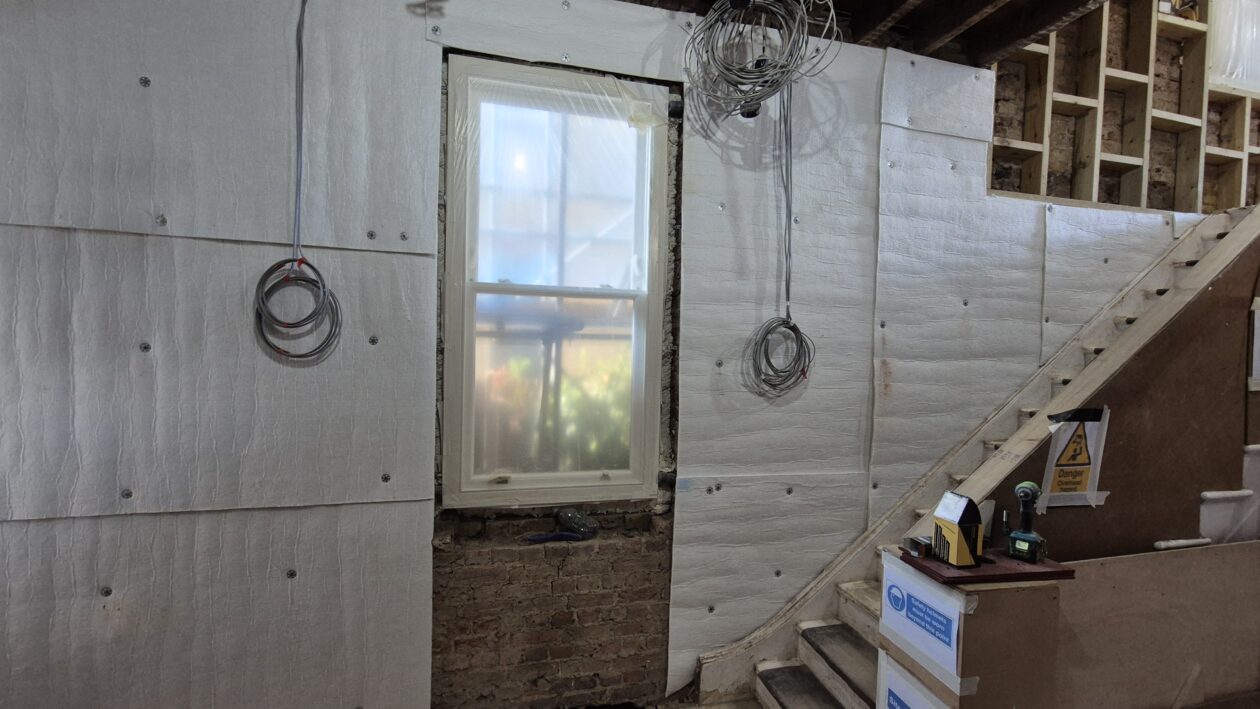
Wimbledon Victorian Home Renovation: Spacetherm® A1 for Solid Wall Insulation
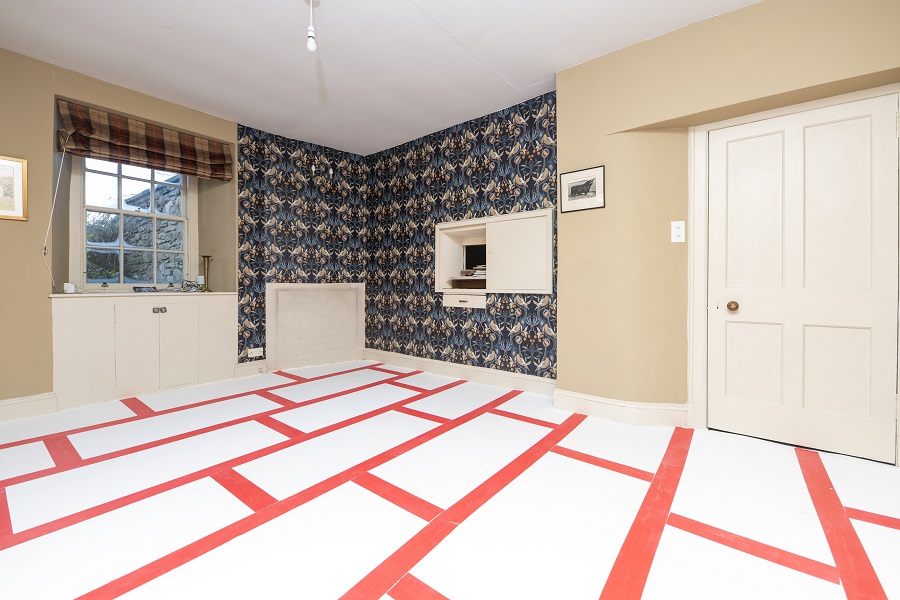
Balloch Farm: Spacetherm® Multi for Existing Concrete Floor Insulation
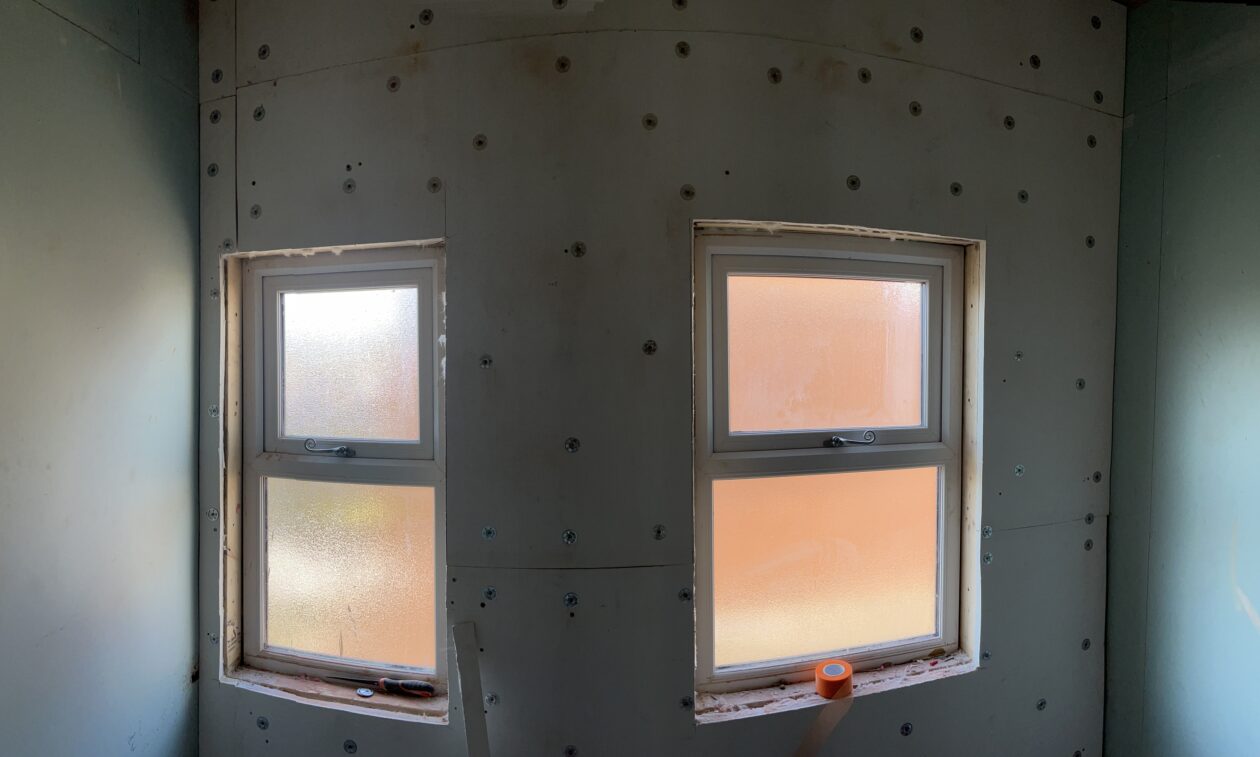
Spacetherm® Multi bathroom retrofit
Spacetherm WL – Paris
Latest News


Request a Sample

Technical Advice

CAD Detail Review

U-Value Calculation

Book a CPD

Specification Check