
Sometimes it feels like the success of a construction project depends on giving a quick answer to a complicated question. When that is the case, it may already be too late to avoid a problem. Iain Fairnington, Technical Director at Proctor Group, gives his take on why complexity is important, and how manufacturer technical support can mitigate the risk of needing a convenient answer.

If you’ve ever watched a Proctor Group online webinar or round table event, you might have heard reference to the running joke about my favourite answer to technical questions. That answer is two simple words that do a lot of heavy lifting: “It depends.”
I’m happy to see a knowing smirk from a colleague when I say those words for the umpteenth time because, behind the reaction, I know everyone at Proctor Group shares my passion for giving more than just the convenient answer.
Building projects are complex. They are faced, persistently, with time and cost pressures that demand answers yesterday to avoid delays in design or construction. And it’s precisely because of that complexity, and the potential for things to go wrong, that “it depends” might be the most important answer we can give when a question warrants it.
Easy answers are great – when they are possible
Sometimes, easy or convenient answers are possible. We’re happy to supply those answers when we can, because the worst thing anybody giving technical advice can do is overcomplicate that which doesn’t need it.
But there are plenty of occasions when we have to do the right thing and say, “it depends.” Even in new-build construction, where there should (theoretically) be more known quantities, the interactions between components in a build-up may not allow a straightforward answer.
That can be the result of over-engineering a build-up to make it more complicated than it needs to be. It can be due to poor advice from another party. Or it can be due to not giving us all of the information needed to make a fully-informed judgement.
Nowhere is that latter point better illustrated than in retrofit. Modifications made to buildings over years and decades can hide a host of surprises within the building fabric. As those surprises are uncovered, it changes the nature of any advice that needs to be given.
Manufacturer expertise vs manufacturer trust
Delivering construction projects competently means drawing on expertise to support design and construction decisions. And nobody knows a product better than its manufacturer.
This issue was discussed in a round table discussion published by Architecture Today in December 2025. A panel of industry experts explored the topic of early engagement with manufacturers. Some of the architects taking part expressed reservations about being tied to products from the initial design stages.
This reluctance is understandable when the levels of support available from one manufacturer to another varies so much. At the same time, though, others on the panel noted how often they had received specifications from other project team members which were unsuited to the project in question. In those cases, manufacturer involvement would have been a benefit.
It’s here where the comprehensiveness of technical support becomes a factor.
What to look for in design calculation services
Many manufacturers, including Proctor Group, offer heat loss and condensation risk calculation services. These are usually based around the combined method for calculating thermal transmittance (as per BS EN ISO 6946), accompanied by simplified Glaser method condensation calculations (as per BS EN ISO 13788).
Condensation risk is linked to the complex topic of moisture movement in buildings. More detailed numerical simulation (as per BS EN 15026) analyses heat, vapour and moisture transfer through a building element. It gives an accurate measure of temperature, relative humidity and water content within the element. The most well-known form of numerical simulation is WUFI® calculations.
While the Glaser method provides a simple pass/fail result, numerical simulation requires results to be analysed and understood. That can be a time-consuming process. However, it’s vital to undertake deeper analysis in certain situations – especially traditional/historic building fabric with solid wall constructions. That is why we offer WUFI calculations as an additional service, alongside U-value calculations and Glaser method analysis.
Simplified methods of assessing condensation risk are not appropriate in all scenarios, but that doesn’t stop some from issuing calculations anyway due to a lack of competence or awareness. It’s essential to work with a manufacturer who can properly guide you to, and provide, appropriate calculations.
How design decisions can make life easier for contractors
The ability to carry support through the design stages and on to site can make for better project outcomes. Longer-term, comprehensive support makes it more likely that design intent is realised in the finished, occupied building.
It’s impossible for contractors to be aware of, and familiar with, every single product on the market. As such, specifying products where the manufacturer can provide on-site support may help contractors to get the best out of what they are installing.
At Proctor Group, our support for contractors is two-pronged. First, we offer toolbox talks to help contractors understand the fundamentals of products they might not be familiar with.
Second, site observation reports give contractors ongoing confidence that an installation is proceeding as necessary. The value of these site visits and reports is such that one contractor actually had it written into a contract that we had to be granted site access for the purposes of observing an installation.
Together, these two forms of site support back up the support provided through our calculation services. They also mean contractors tend to use our products again, because they know they can get the same support on every project.
Ask the right questions at the right time
Ultimately, whether we say “it depends” in answer to a technical question comes down to specificity. A general question asked on a webinar about a specific project is impossible to answer without more detail, so … it depends.
A question asked late in a project, when work on site depends on the answer, comes with a lot of context about what was designed in the first place and why. So again … it depends.
I can’t speak for other manufacturers, but at Proctor Group we are happy to work with you on your project and provide specific advice about whatever unique or complex scenario you encounter. And we can do that from design stage, including with supporting calculations, through to being on site.
If you work with us in that way, then we can understand the project as it develops, highlight the nuanced aspects of a design that need consideration, and point you in the direction of appropriate solutions.
As a result, you might never hear anyone from Proctor Group – even me! – say, “it depends.”
Related Products
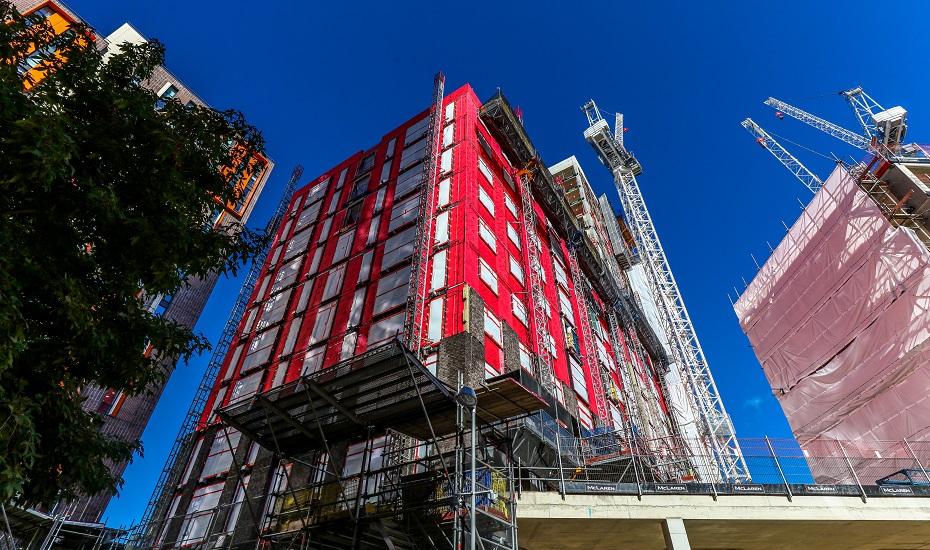
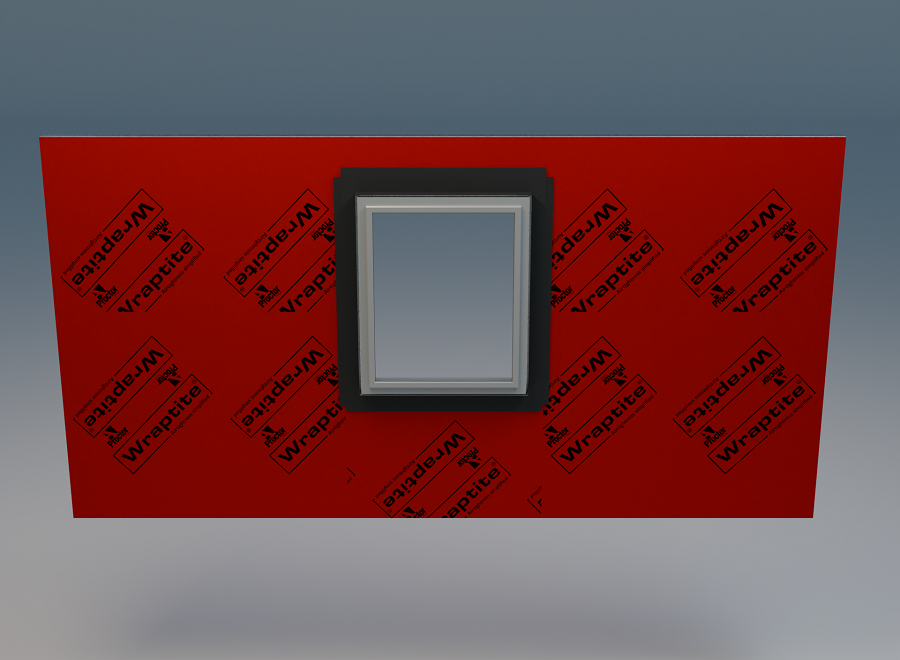
Wraptite® – Vapour Permeable Air Barrier
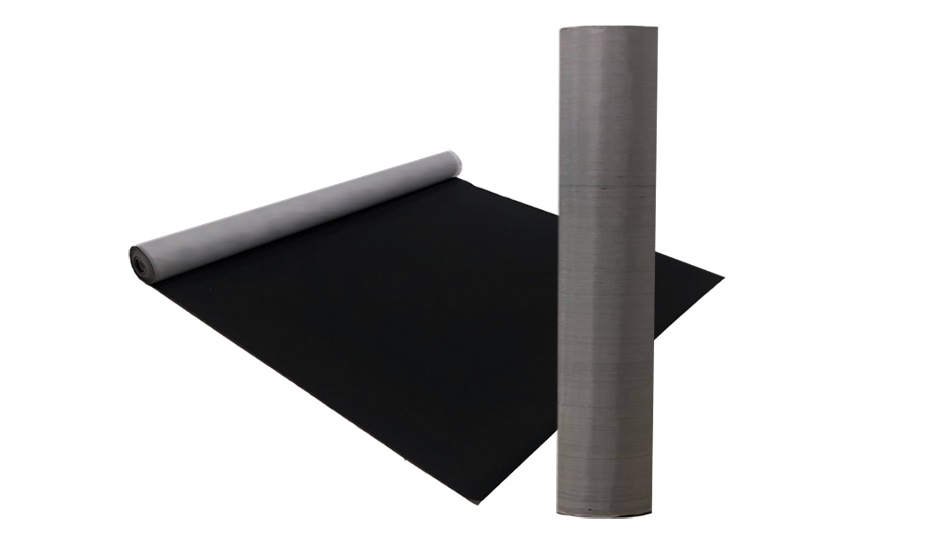
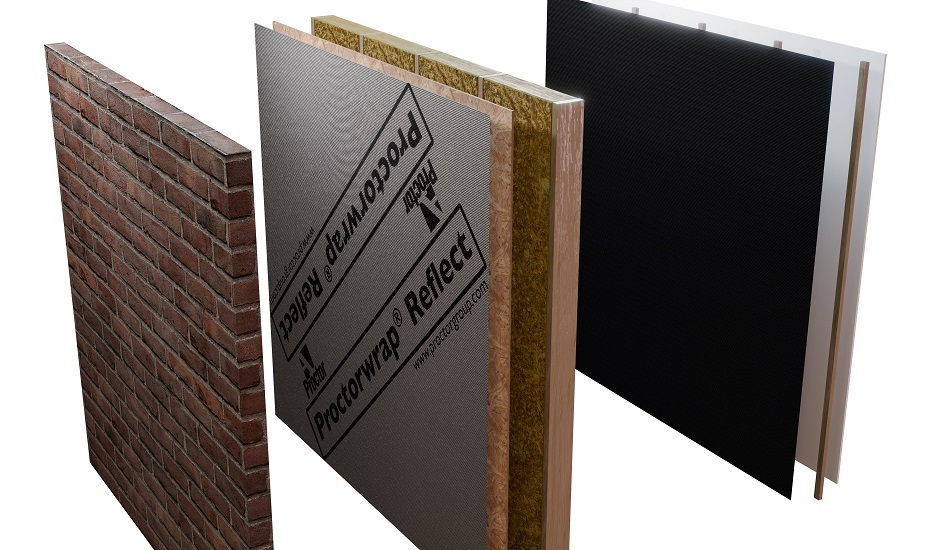
Probreathe® A2 – Vapour Permeable Breather Membrane
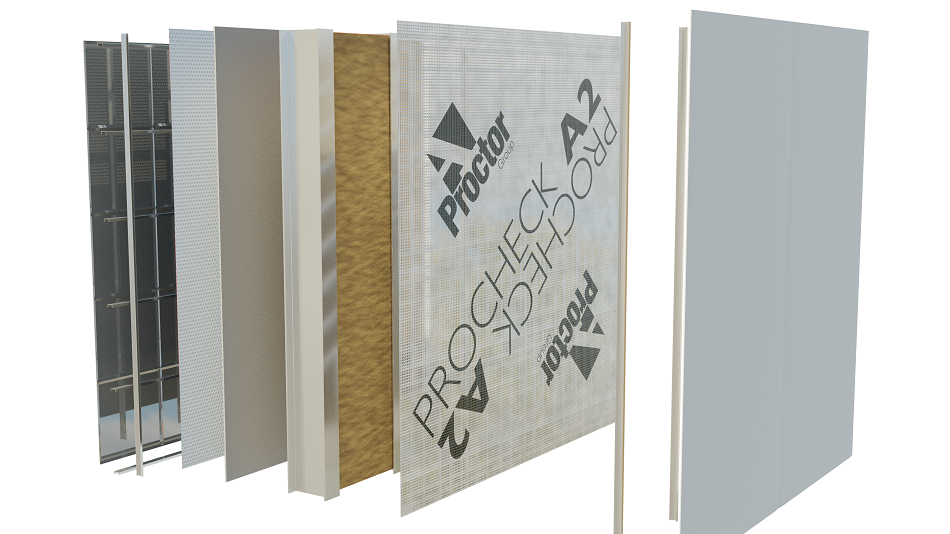
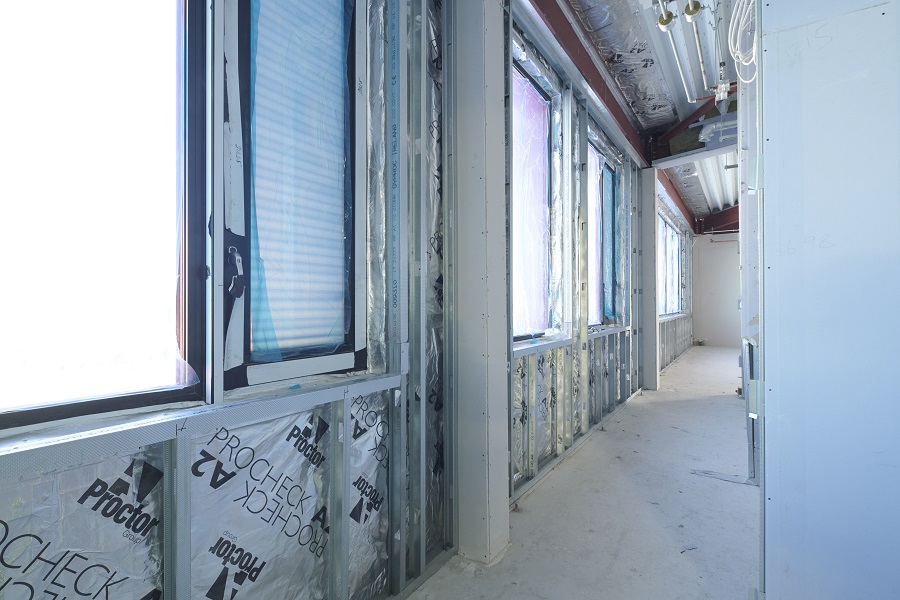
Procheck® A2 – A2 Fire-Rated Air and Vapour Control Layer
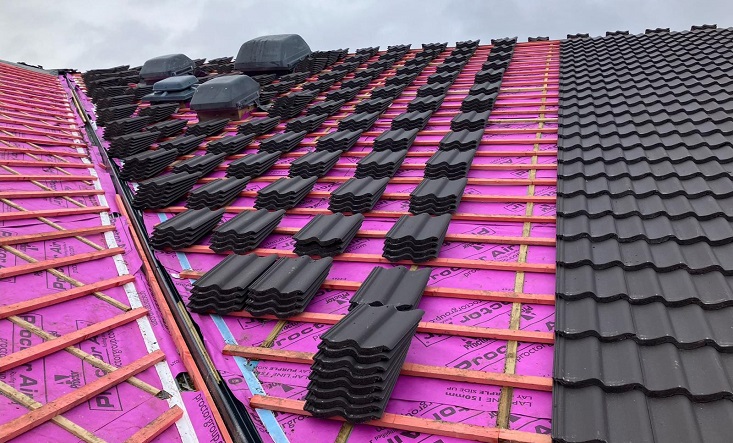
Proctor Air® – Air & Vapour Permeable Roofing Membrane
Latest Articles

Related Projects
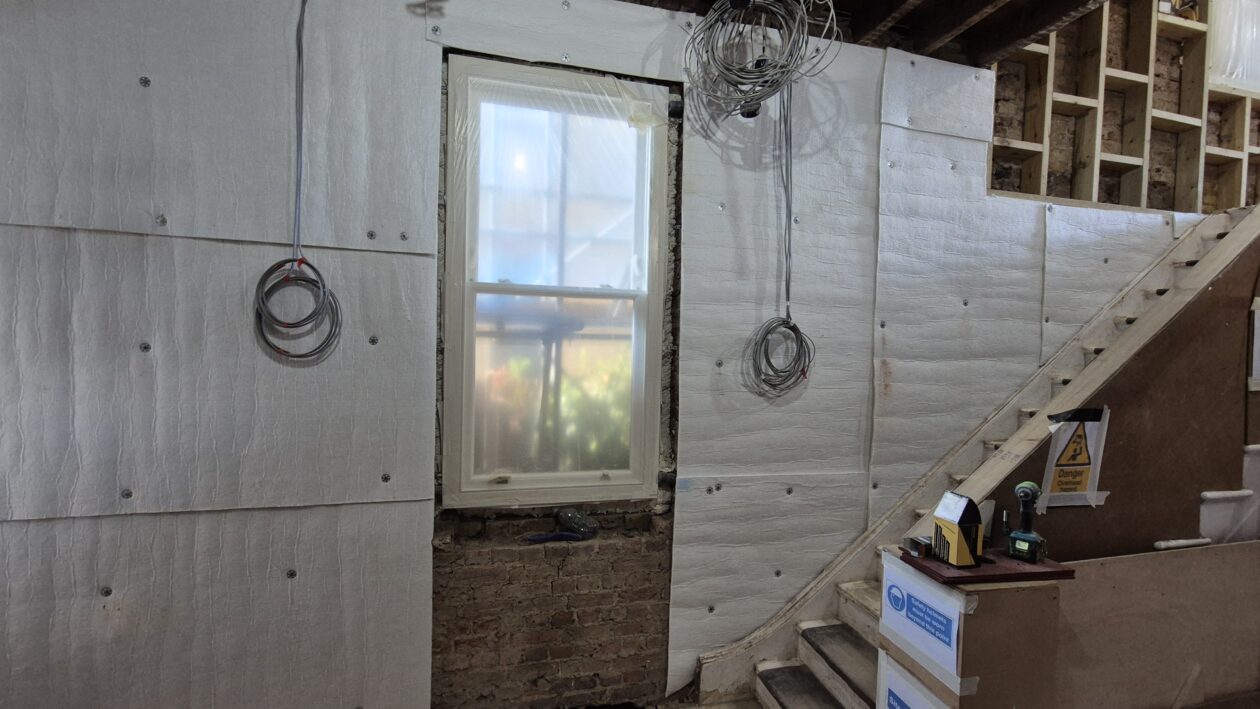
Wimbledon Victorian Home Renovation: Spacetherm® A1 for Solid Wall Insulation
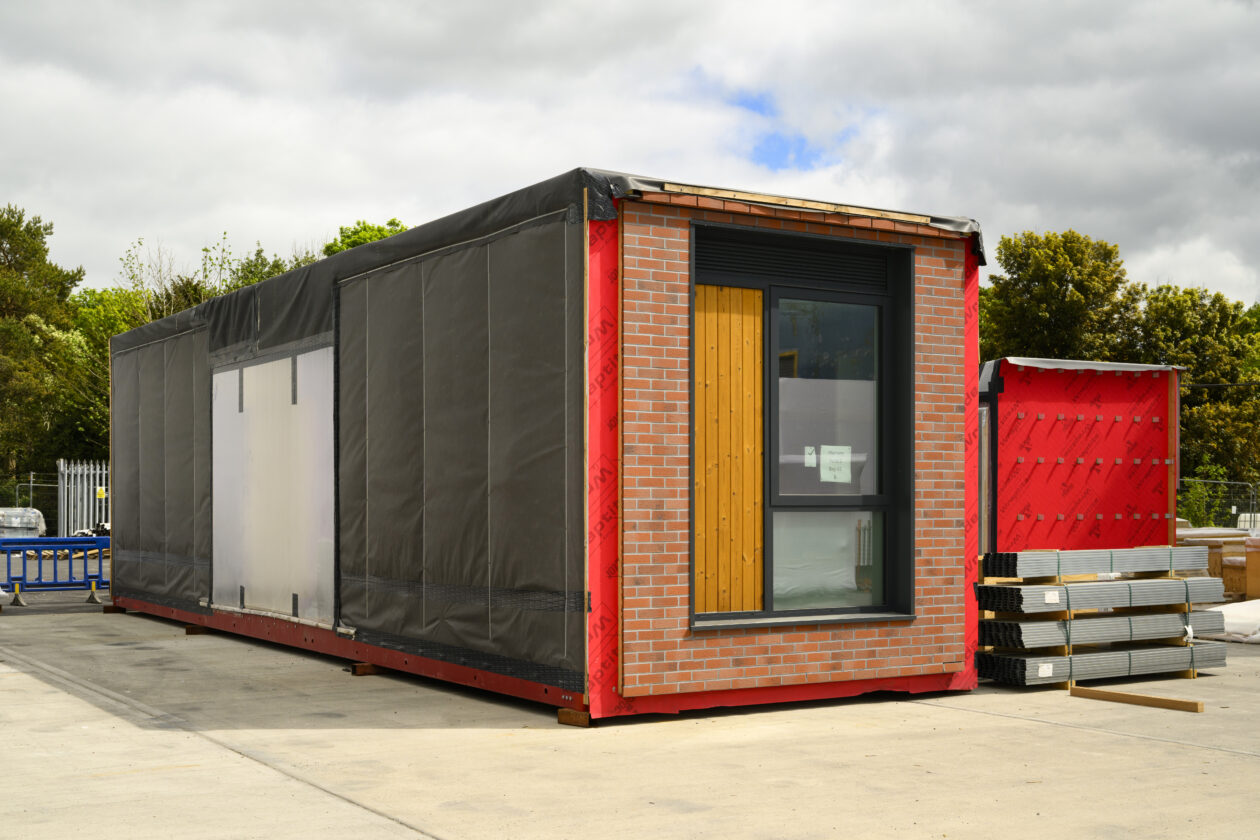
Reds10: Wraptite® for Near-Passivhaus Airtightness in Modular Construction
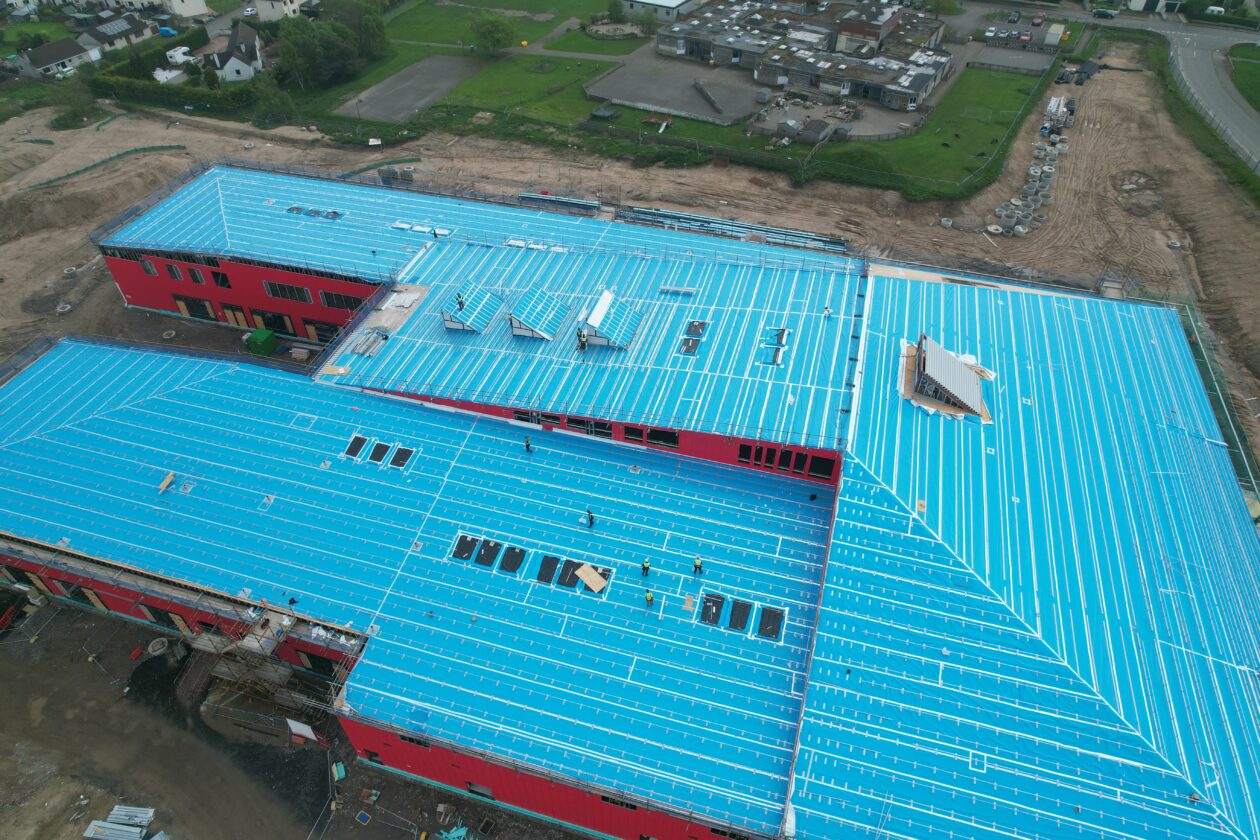
Tain Campus: Profoil 861 for Roof Airtightness in a Passivhaus-Standard School

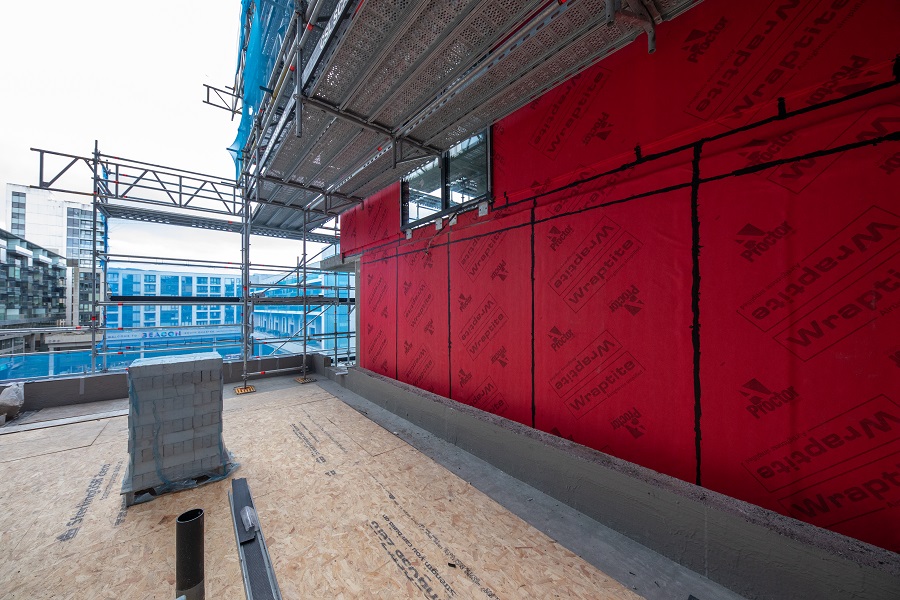
Jacob’s Island: Wraptite® for NZEB Apartments
Latest News

Request a Sample

Technical Advice

CAD Detail Review

U-Value Calculation

Book a CPD

Specification Check