Cold Roof - Slate
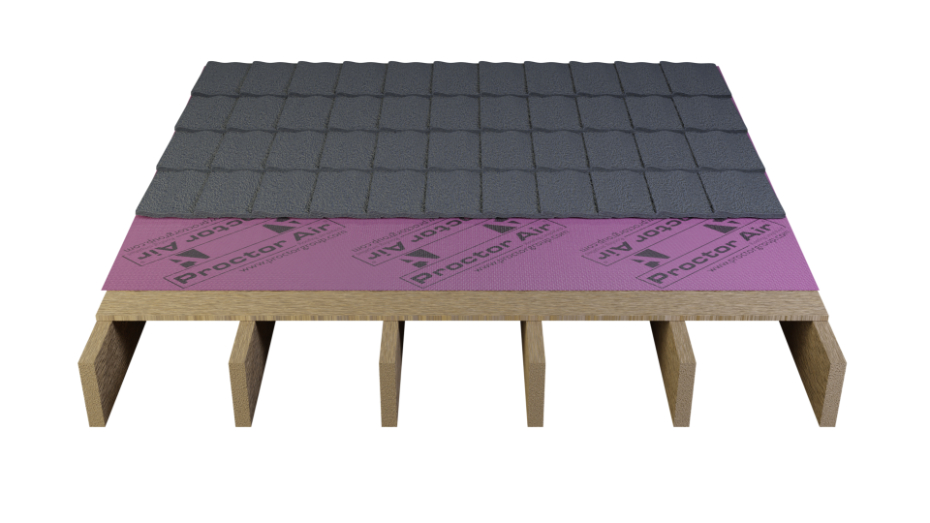
| 1. Slate |
| 2. Proctor Air |
| 3. Timber sarking / board |
| 4. Rafter |

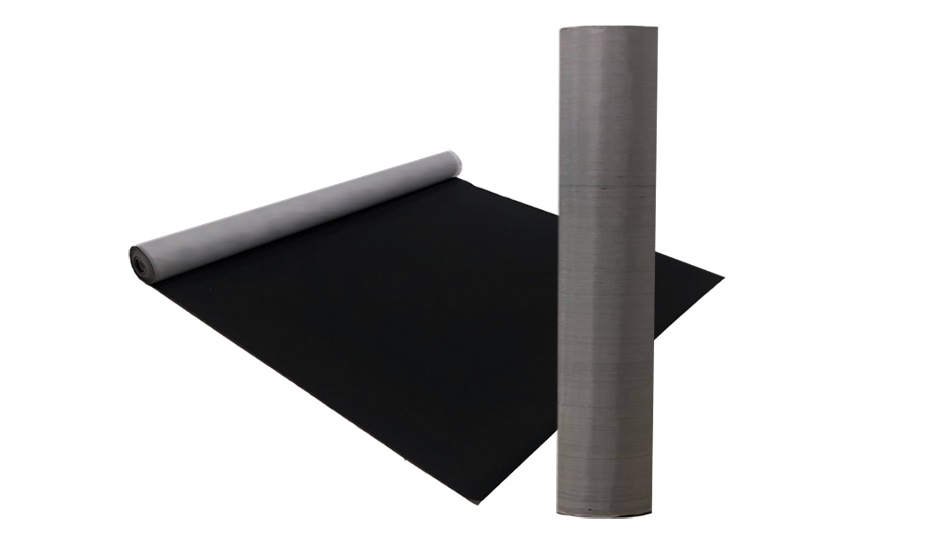
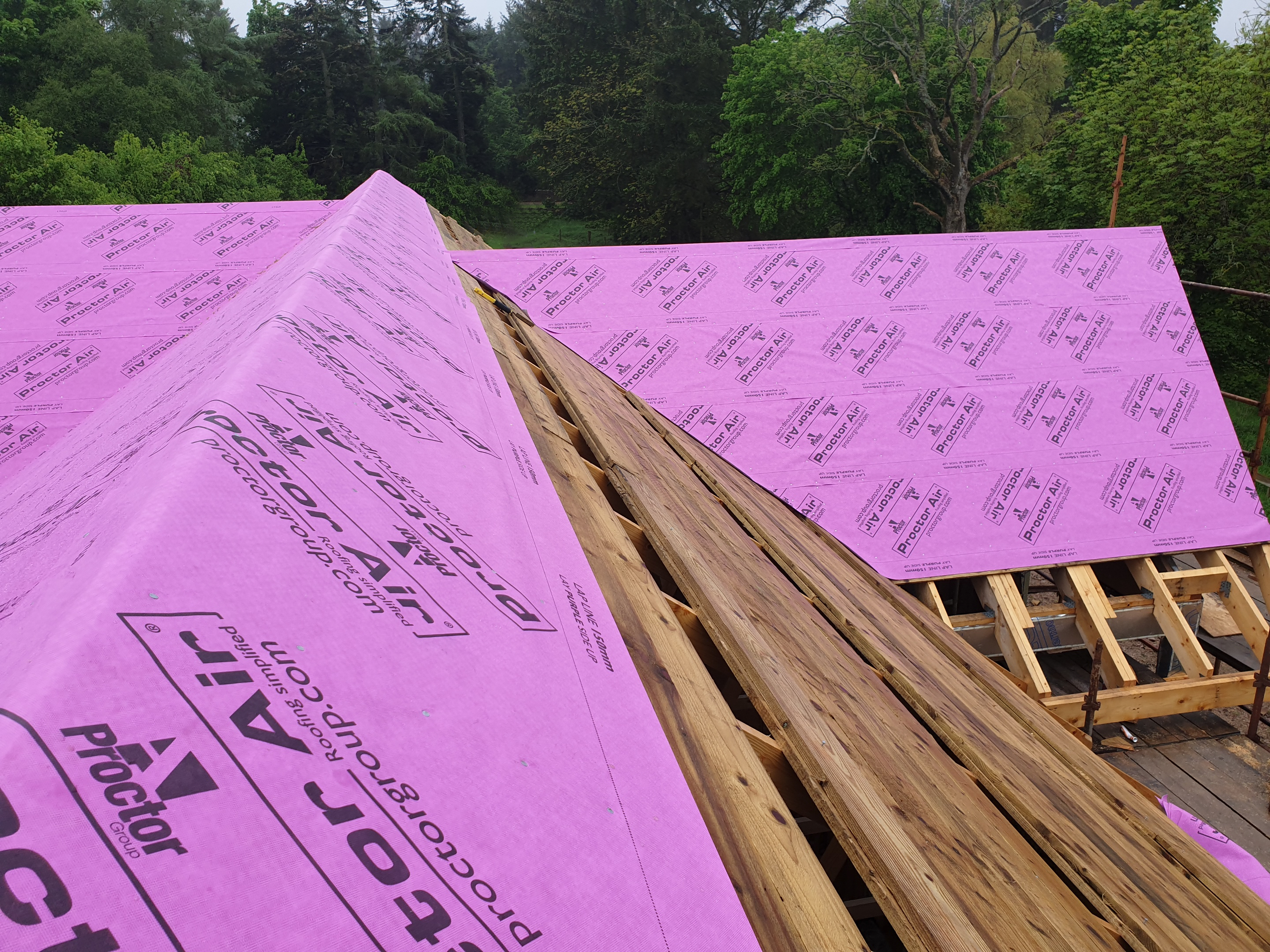
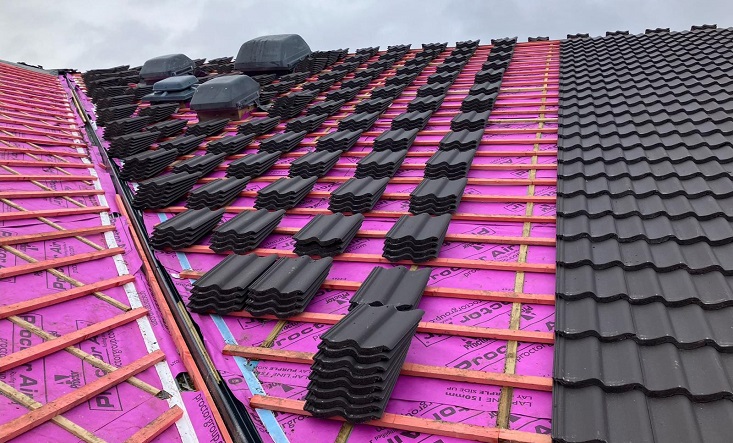
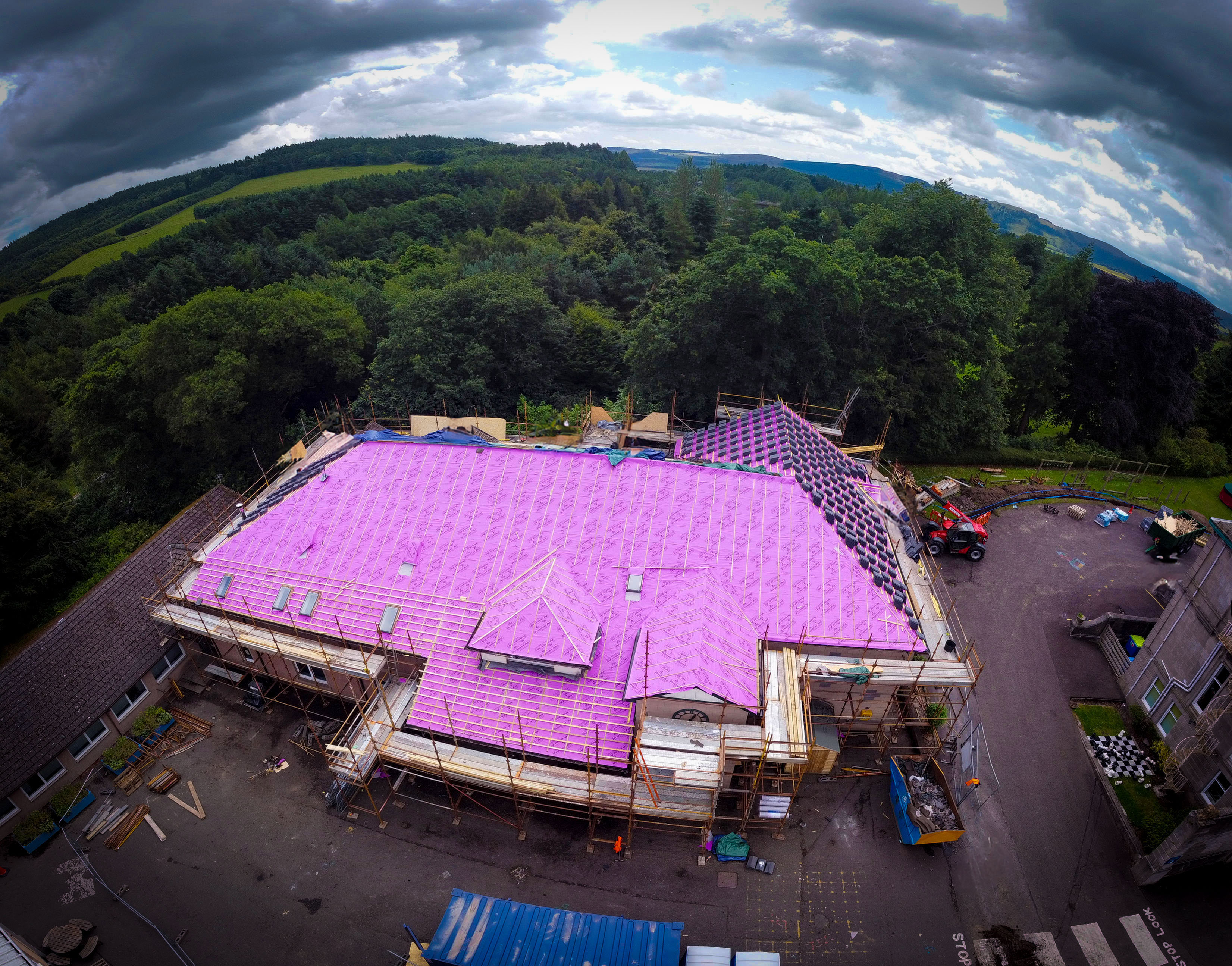
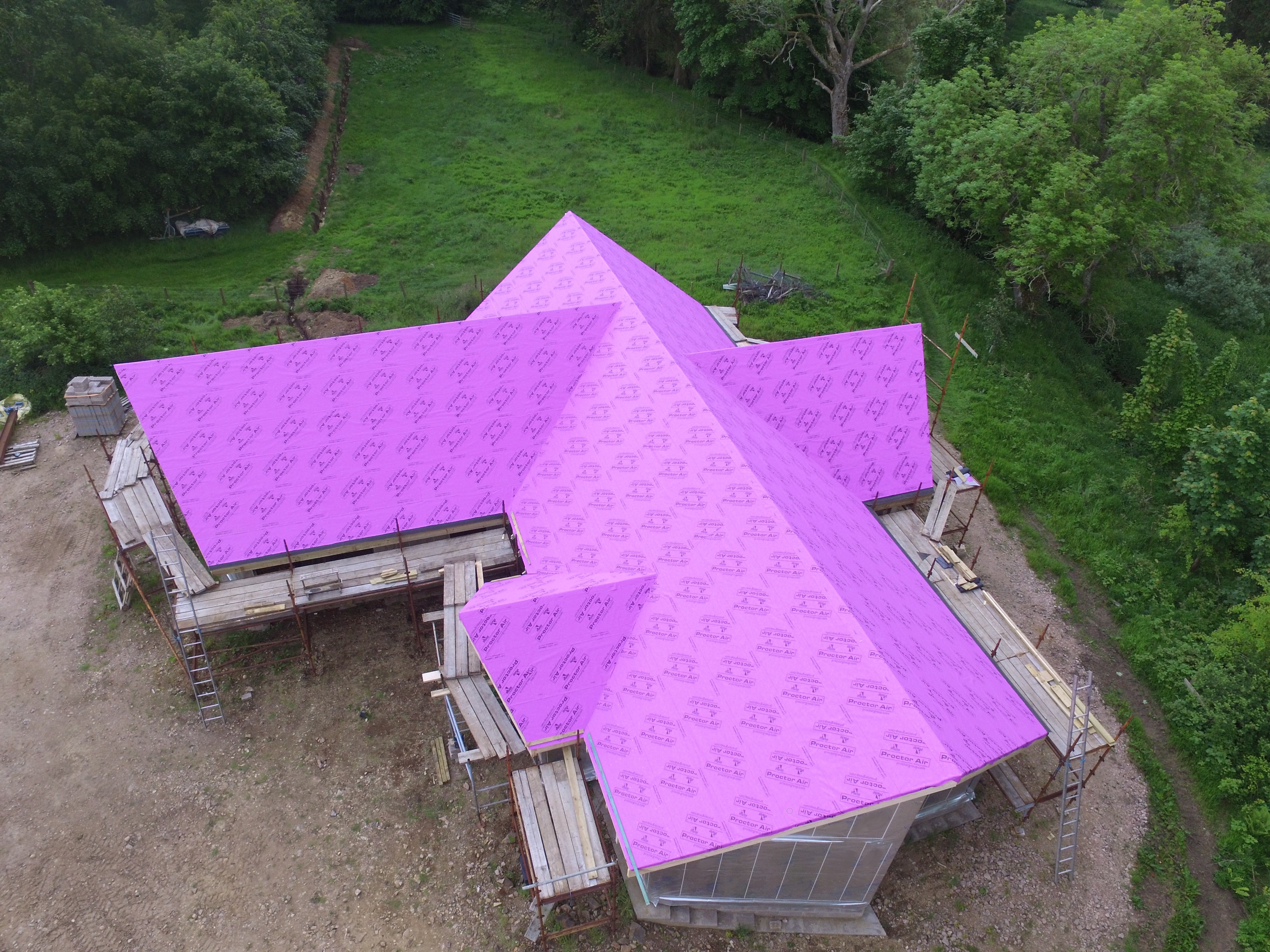
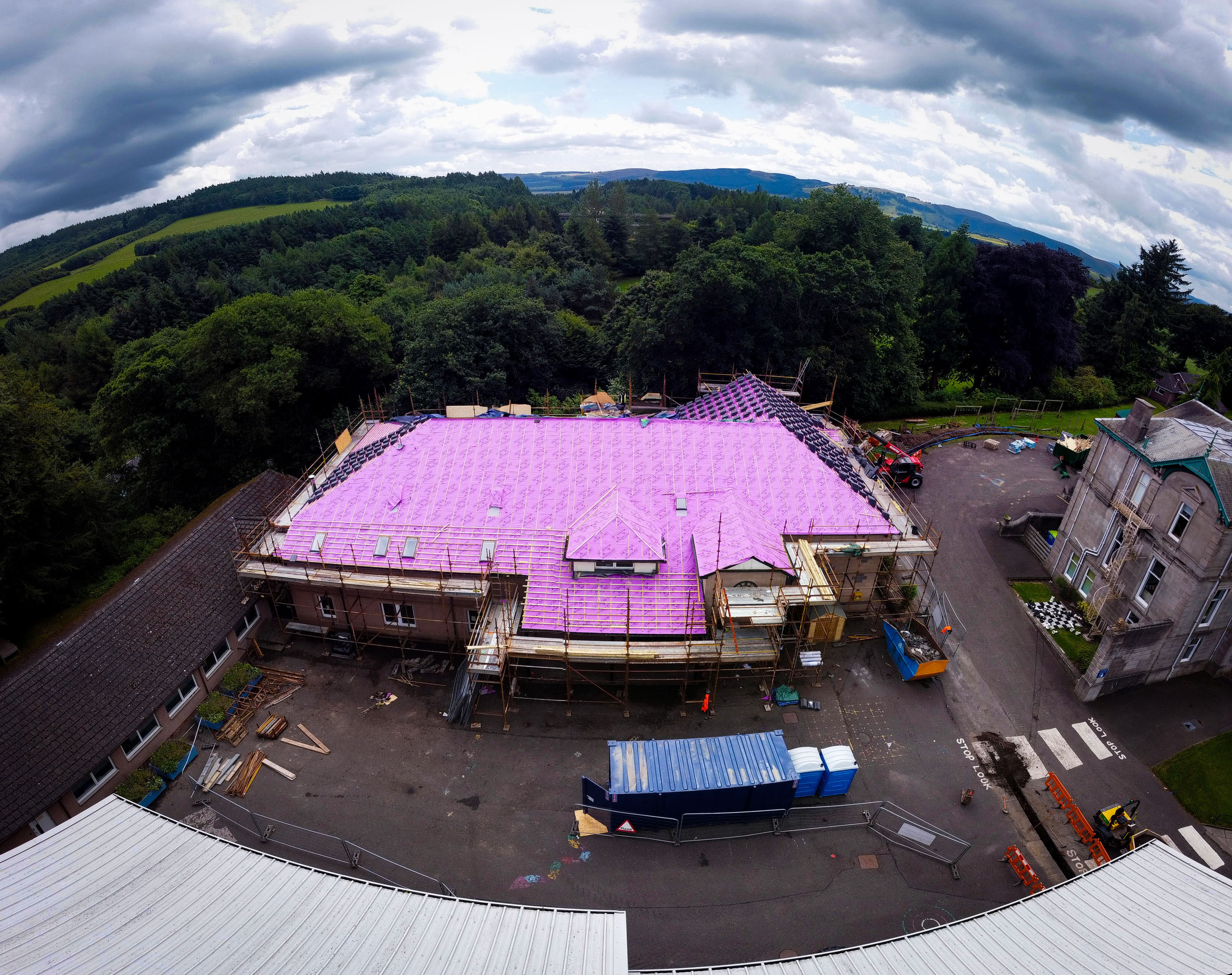
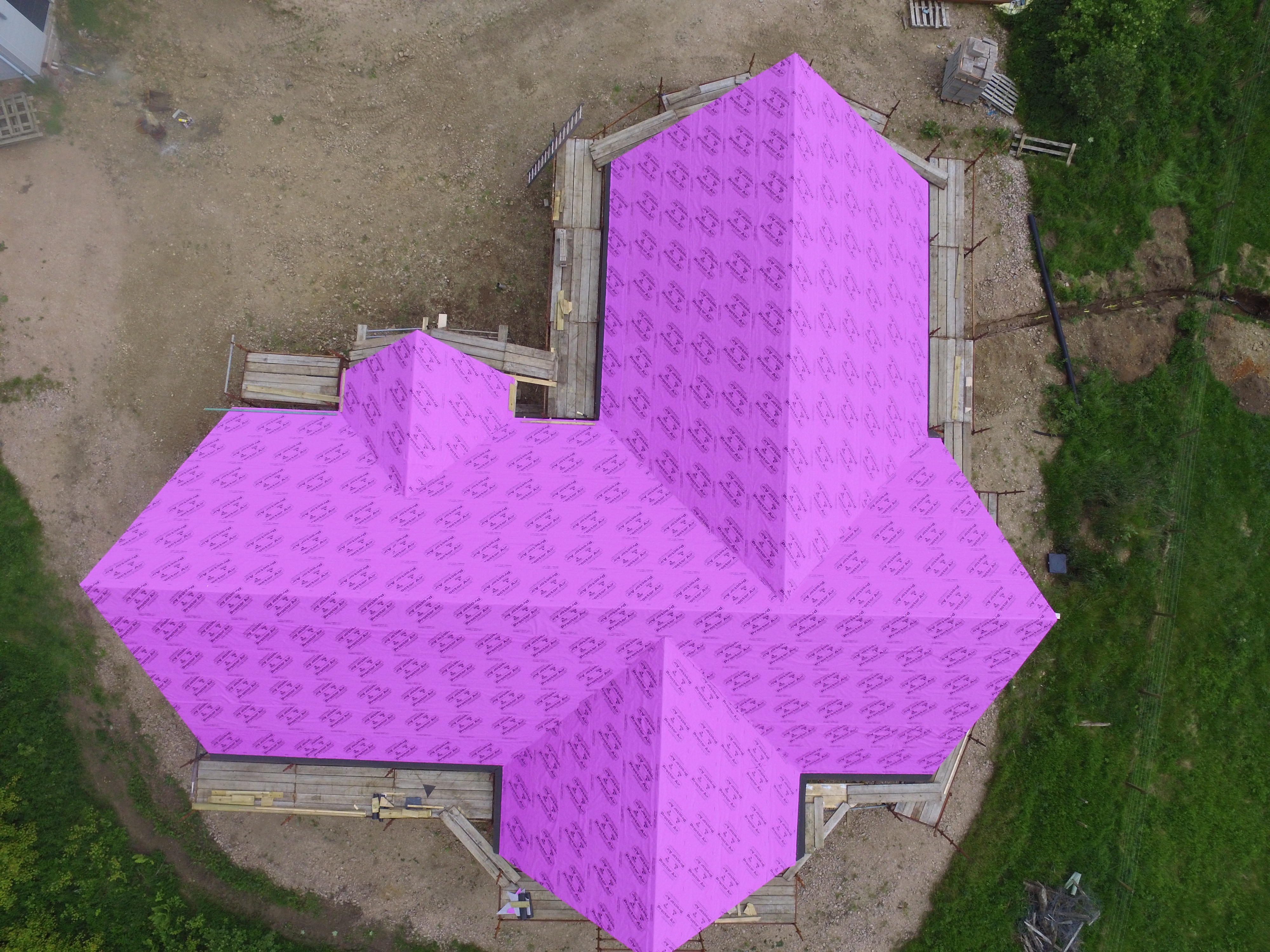
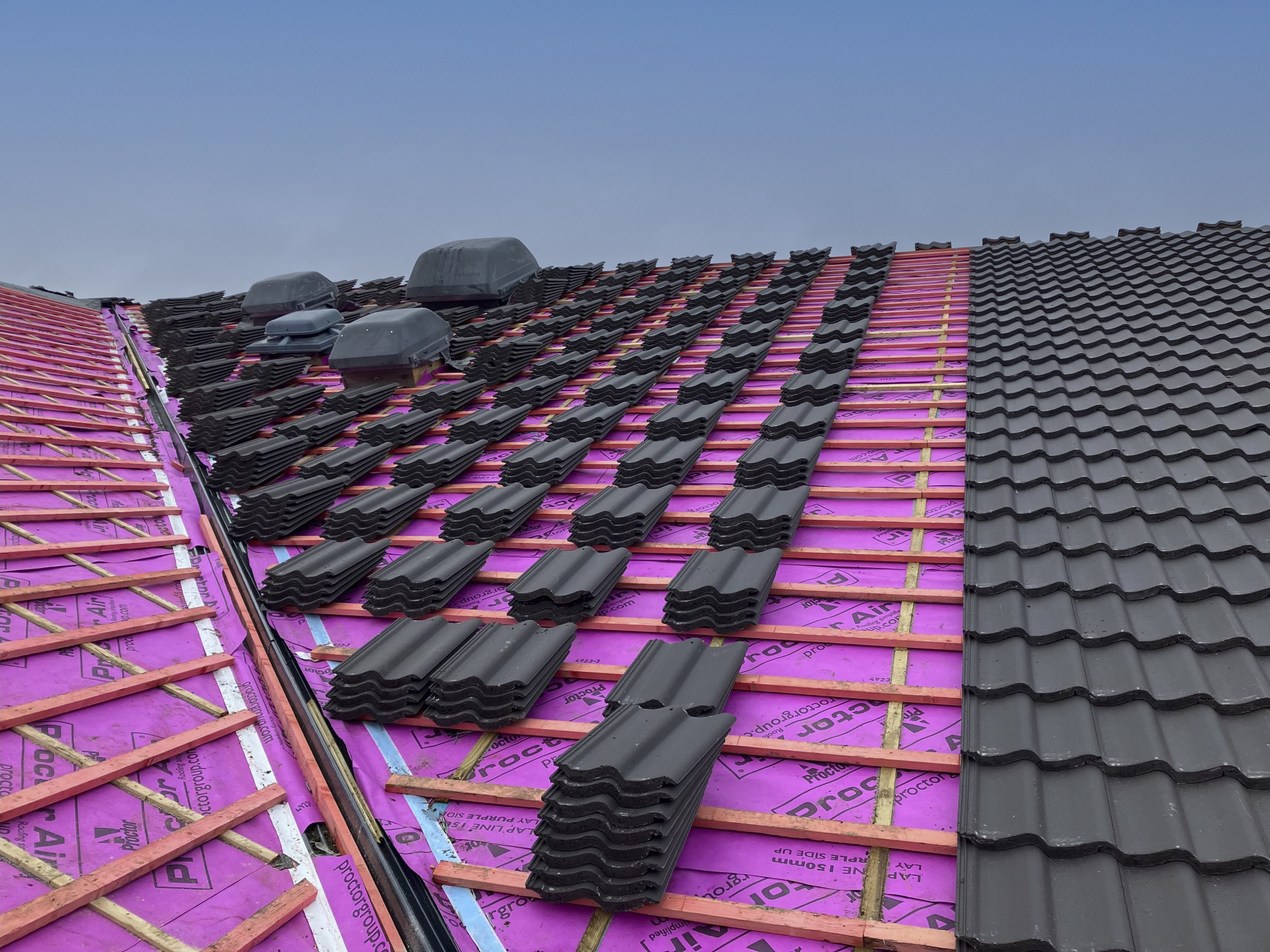
Proctor Air® is an air and vapour permeable, highly water resistant roofing underlay. Its characteristics allow even very complex pitched roofs to breathe, without the need for air gaps or secondary venting.
The meltblown core at the heart of Proctor Air allows natural air movement to ‘supercharge’ the passage of moisture vapour from the roofspace, making the formation of condensation in the roofspace virtually impossible.
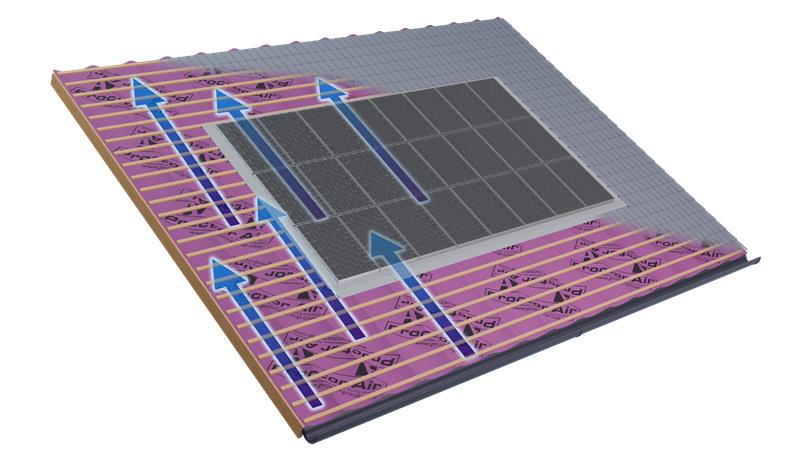
A unique feature of Proctor Air’s BBA certificate is the clarification that it can be used on roofs featuring solar PV. Please speak to the technical department for further clarification.







| 1. Slate |
| 2. Proctor Air |
| 3. Timber sarking / board |
| 4. Rafter |
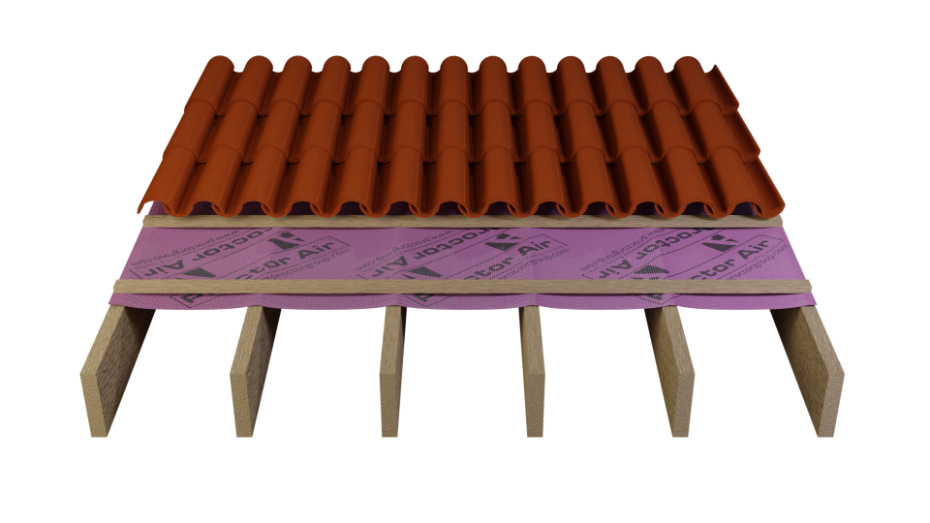
| 1. Tile |
| 2. Batten |
| 3. Proctor Air |
| 4. Rafter |
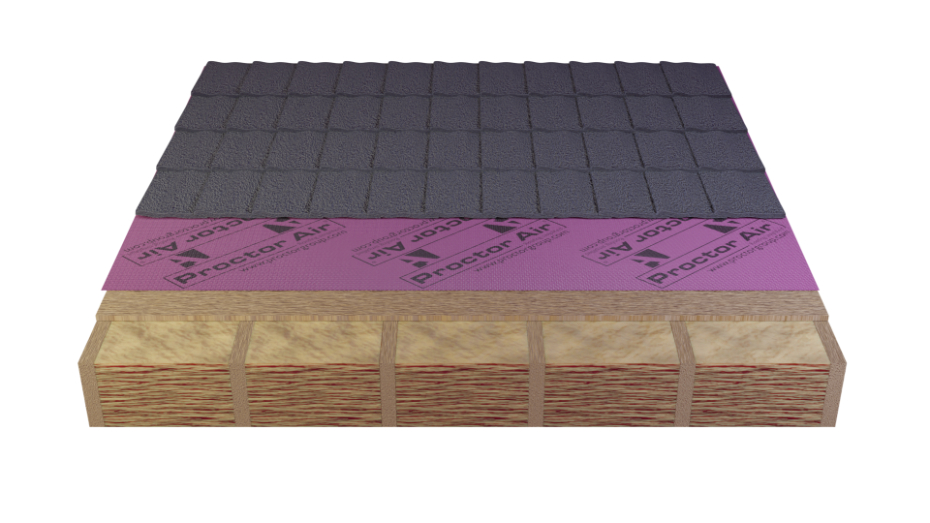
| 1. Slate |
| 2. Proctor Air |
| 3. Timber sarking / board |
| 4. Insulation |
| 5. Rafter |
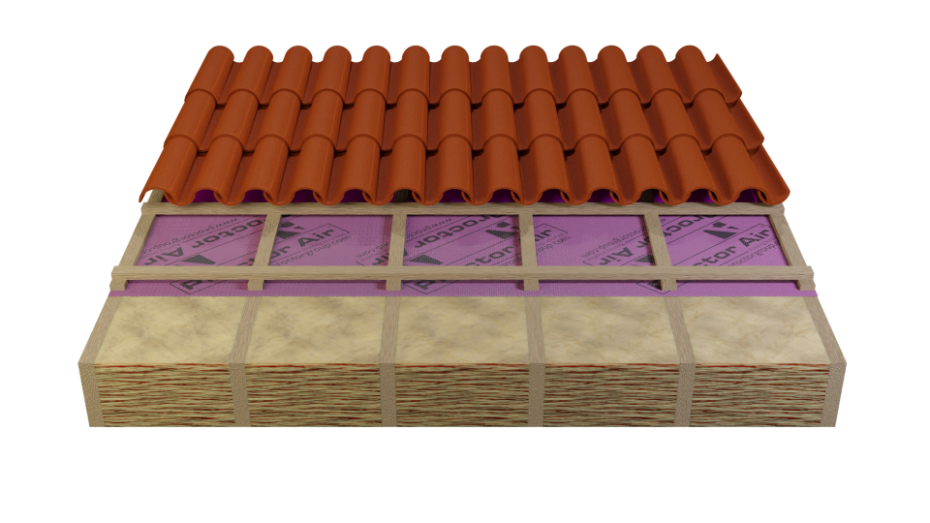
| 1. Tile |
| 2. Batten |
| 3. Counter Batten |
| 4. Proctor Air |
| 5. Insulation |
| 6. Rafter |
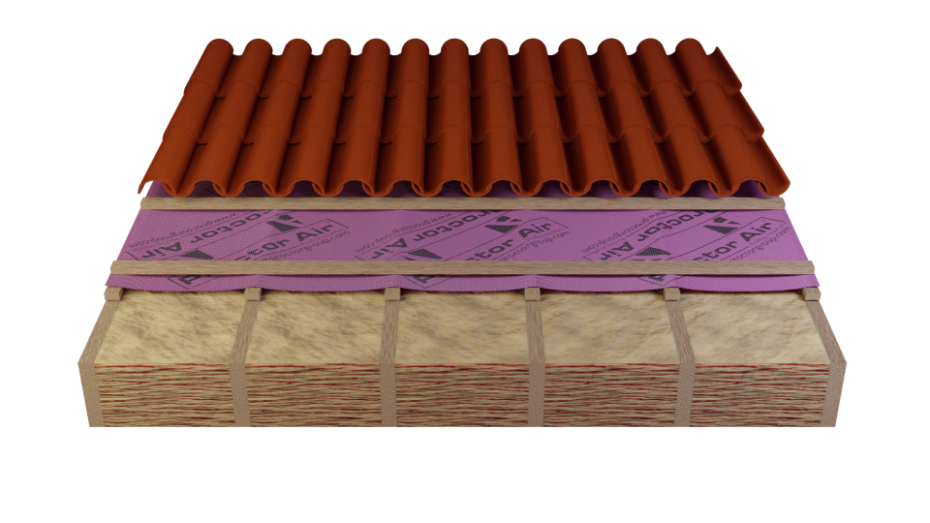
| 1. Tile |
| 2. Batten |
| 3. Proctor Air |
| 4. Counter Batten |
| 5. Insulation |
| 6. Rafter |
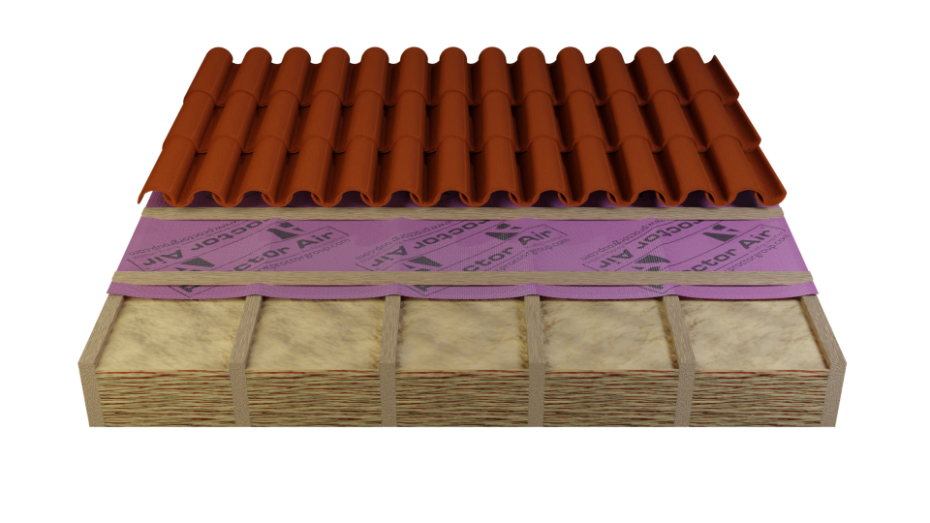
| 1. Tile |
| 2. Batten |
| 3. Proctor Air |
| 4. Insulation |
| 5. Rafter |
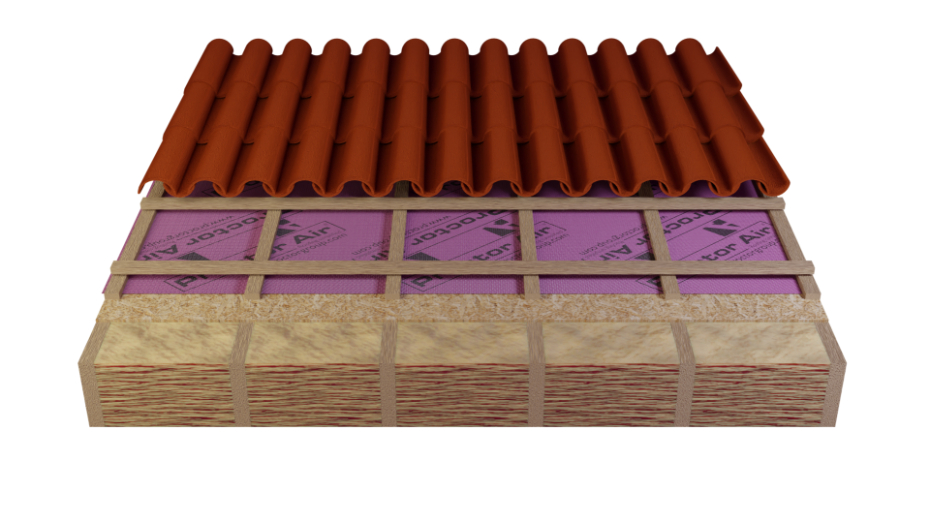
| 1. Tile |
| 2. Batten |
| 3. Counter Batten |
| 4. Proctor Air |
| 5. OSB |
| 6. Insulation |
| 7. Rafter |
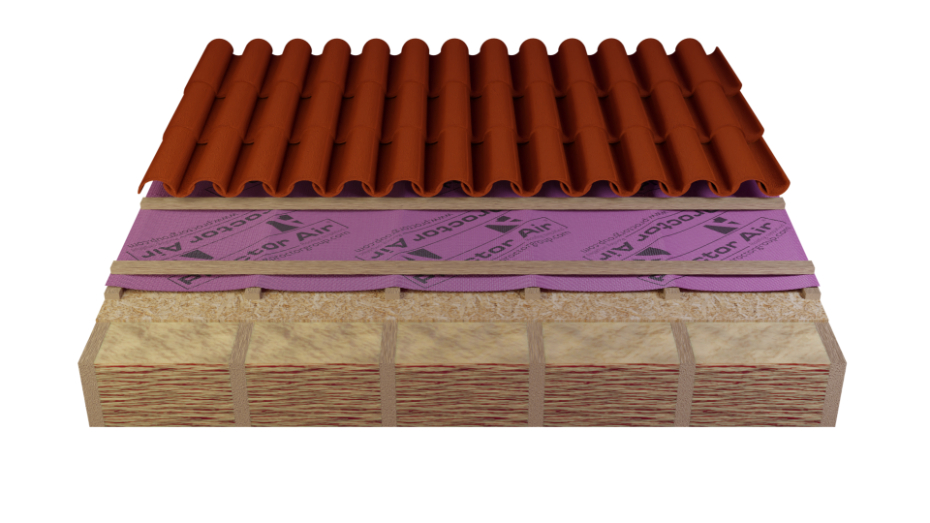
| 1. Tile |
| 2. Batten |
| 3. Proctor Air |
| 4. Insulation |
| 5. Rafter |
As Building Regulations demand ever-higher thermal efficiency, today’s buildings are becoming increasingly airtight. While this is undoubtedly beneficial for building energy performance, architects and contractors must understand the implications for moisture and vapour management when considering roofing membranes.
Condensation control should be considered as part of the design process. Successful control will depend on factors such as prevailing winds, room layout, number of storeys and type of heating system as well as the more usually accepted aspects such as construction, heating, ventilation and moisture production. All these aspects, therefore, should be considered carefully and, as they are interdependent to a greater or lesser degree, they should be considered together.
The fundamental principle in designing to minimize condensation is to maintain a balance of the three factors 1. Thermal and vapour properties of the structure 2. Heat input and 3. Ventilation to achieve either low vapour pressure and/or high structural temperature.
The building fabric and anticipated occupancy patterns and uses will all interact to define the moisture risks associated with the construction. These “ground rules“ form the basis of a good hygrothermal design strategy.
Once an understanding of the building and occupancy are achieved, the designer can then focus on ensuring the heat, air and moisture movement within the structure is properly balanced. This ensures both a healthy environment for the occupants of the building and long life for the building.
“I have worked with Proctors for well over 30 years now, over the years I have found them very innovative and helpful with their introduction of very many new products helping the building industry to keep ahead of the ever changing regulations and requirements that now exist. I found the New Proctor Air product easy to cut and install with good overall strength and of good quality”
“Proctor Air has been very popular since we started stocking it at the beginning of the year, we have seen the demand for a robust and reliable Air permeable membrane more than ever in recent months and Proctor Air totally fits the bill!”