
Membranes are central to airtightness and moisture management
The Passivhaus Trust defines eight principles of the Passivhaus standard. Five of these relate to fundamental aspects of buildings and their fabric: insulation, airtightness, ventilation, minimal thermal bridging, and high-performance windows.
The other three are principles of approach, or what projects need to deliver a building that, typically, does not suffer from a performance gap between as-designed and as-built. They are: detailed criteria for performance and comfort, accurate design modelling, and rigorous quality assurance.
Membranes play an important part in helping to deliver airtightness. They also contribute to the management of moisture withing the building fabric, reducing the risk of condensation occurring. That can be as either an airtight membrane or a vapour permeable membrane.
Non-certified projects seek to follow Passivhaus principles
Adoption of the Passivhaus standard continues to grow. The Passivhaus Trust wants to see 10% of all UK housing meet the standard by 2035, from a current level of around 1%.
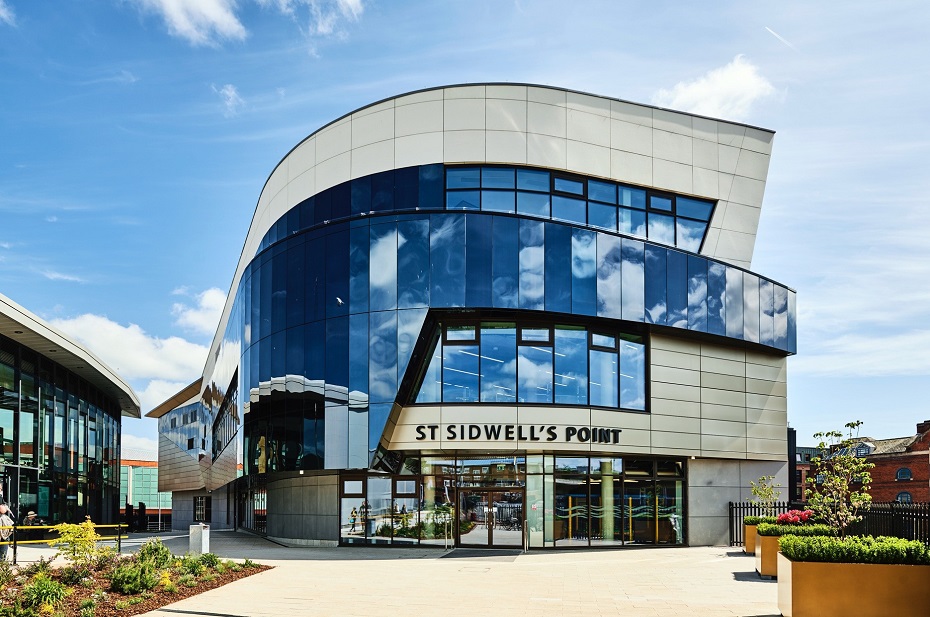
More significantly, it is the range of building types now being certified that demonstrates the growth of the standard. At Proctor Group, we have seen our membranes used on the world’s first Passivhaus-certified leisure centre (St Sidwell’s Point in Exeter), and a host of school and community campus projects across Scotland. In Ireland, our products have featured on large residential developments.
At the same time, there has been a rise in projects that state they have adopted Passivhaus principles, but which do not complete the journey to full certification. This can be a controversial area. It is one thing to implement the five building-related principles of the standard, but without the principles of approach then how can you be sure the building will perform as expected?
As a contractor, this may not be something you can influence. But, with a greater likelihood of working on such projects, it is worth understanding the distinction between aiming for certification and seeking to follow principles alone – especially if you have any responsibility for product selection alongside installation.
Choose the right product to suit the project requirements
Working with certified components can give added confidence that a product is well-suited to the requirements of the Passivhaus standard. However, as with any construction project, the most important thing is to choose the right product for the right reasons.
For example, if certain levels of fire safety performance are required from a membrane, then it is important to use a product that provides that – even if it is not a PHI certified component.
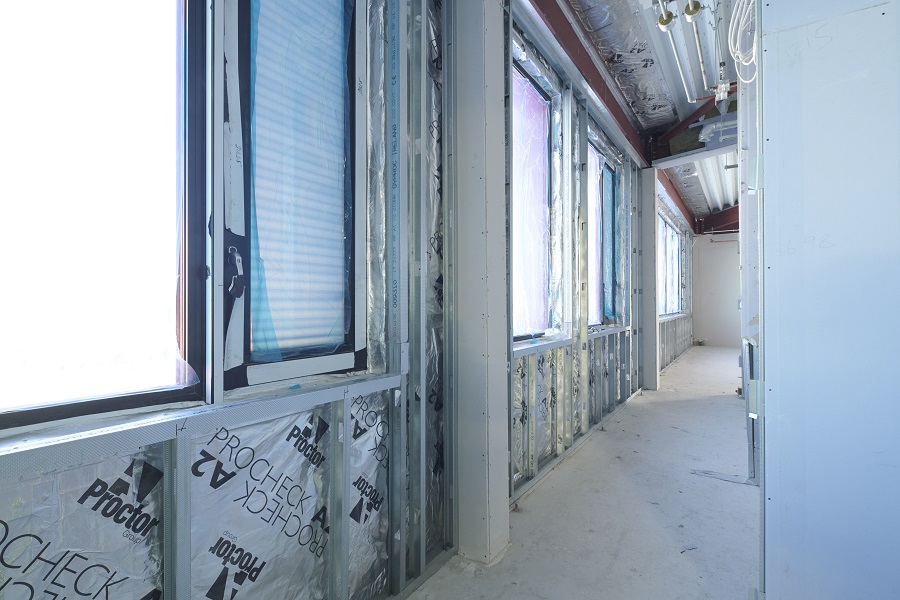
Other products in the Proctor Group range include Procheck® A2 (an airtight vapour control layer) and Probreathe® A2 (an airtight, vapour permeable membrane). Both provide a reaction to fire classification of A2,s1-d0 alongside airtightness, and can be integrated into build-ups for Passivhaus projects.
Look for manufacturer support around installation
As touched on earlier, what sets Passivhaus-certified projects apart is their focus on quality assurance. Ultimately, it doesn’t matter if a design meets Passivhaus principles, or how well the chosen products perform. If the construction quality is poor, then the building will suffer from a performance gap.
Therefore, it can pay dividends to work with manufacturers who provide on-site support and toolbox talks. This is exactly what Proctor Group offers to projects across the UK, and has demonstrated on many of the Scottish Passivhaus school projects.
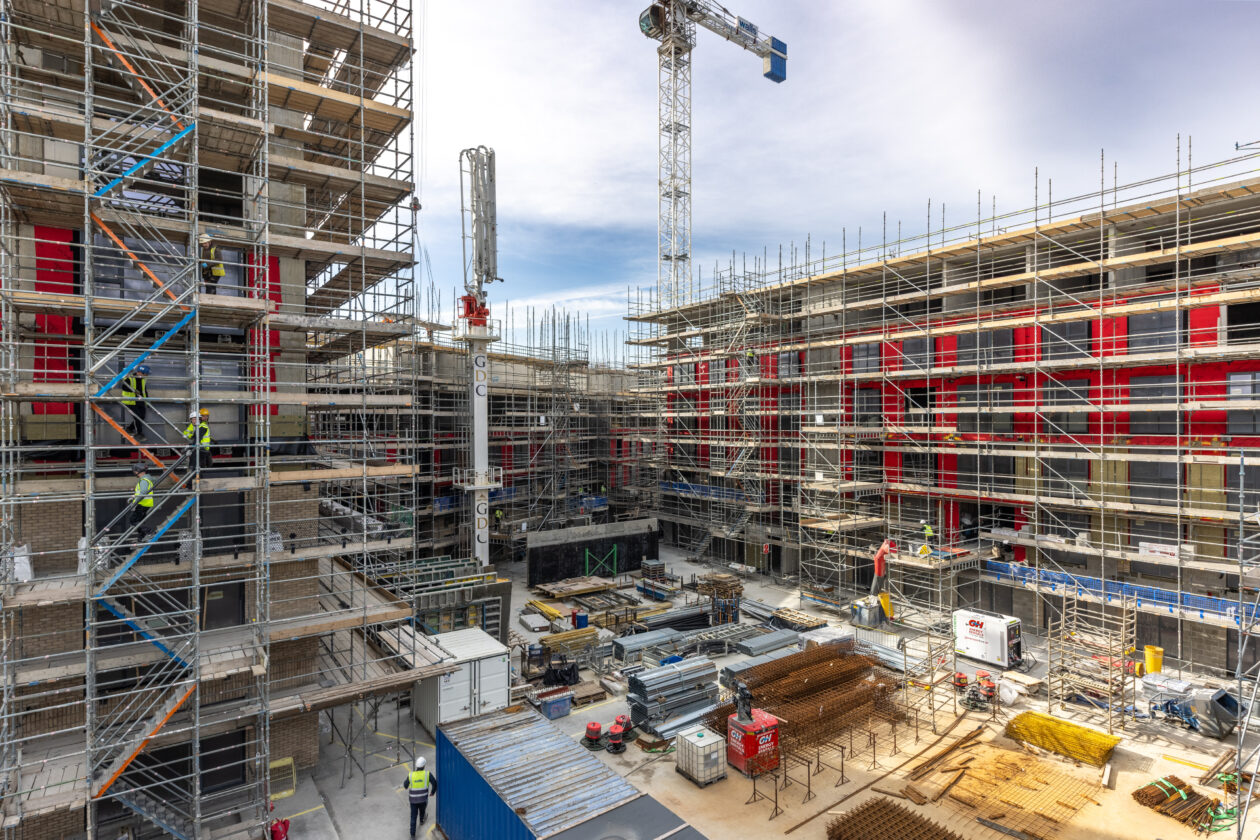
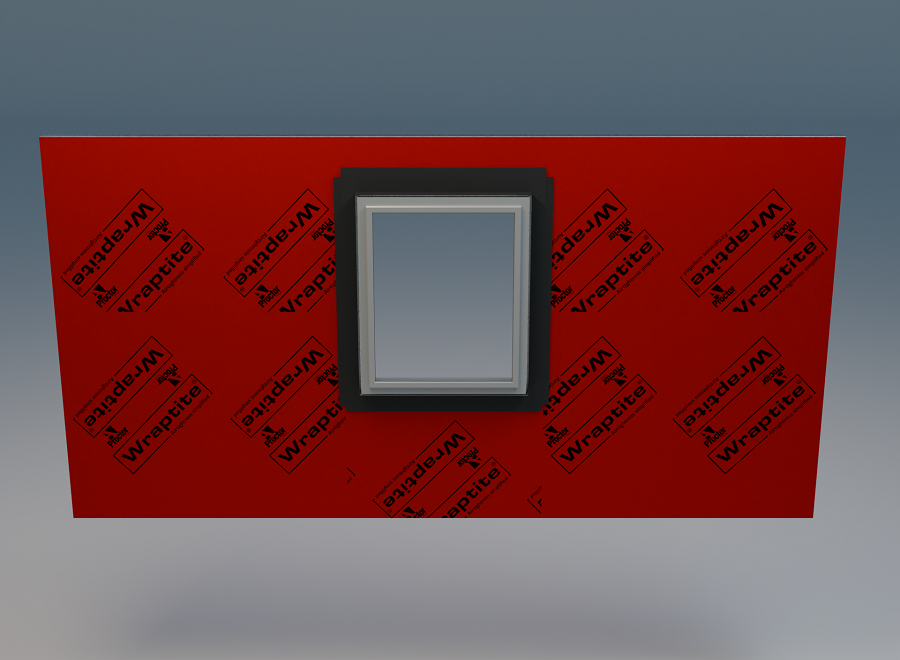
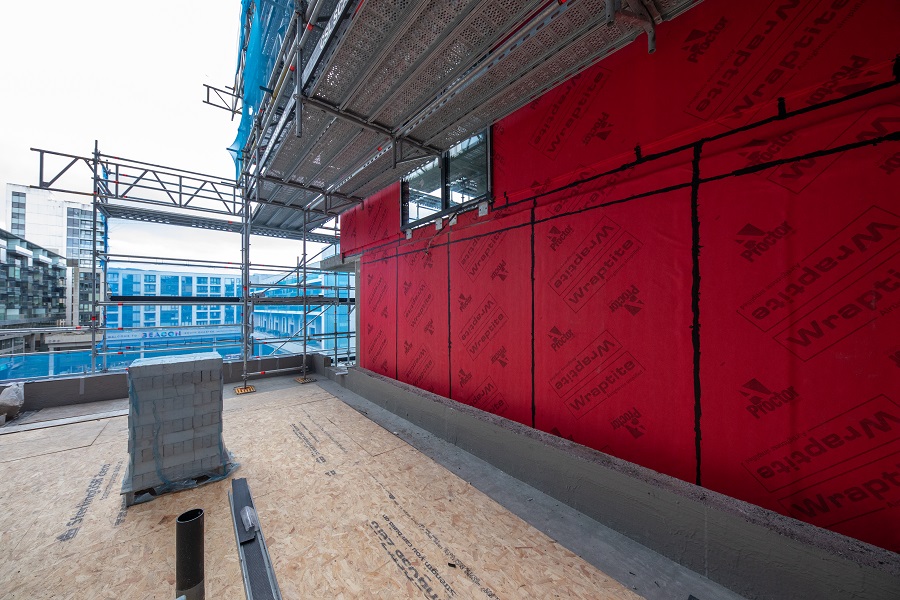
For several of those schools and community campuses, contractors were working on a Passivhaus project for the first time. By supplying on-site training on how to install Wraptite, we helped to set them up for success and ensure the installation met the required levels of quality.
Related Products
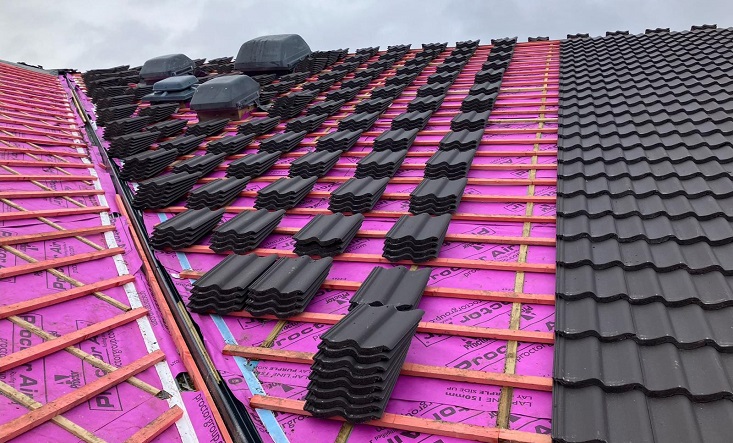
Proctor Air® – Air & Vapour Permeable Roofing Membrane
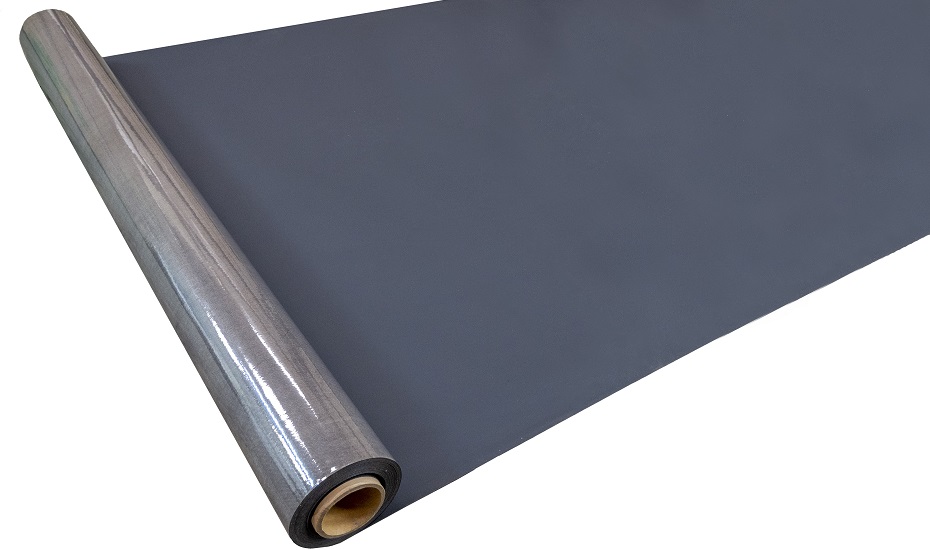
Wraptite® UV – Class B-s2,d0 Fire Rated Membrane
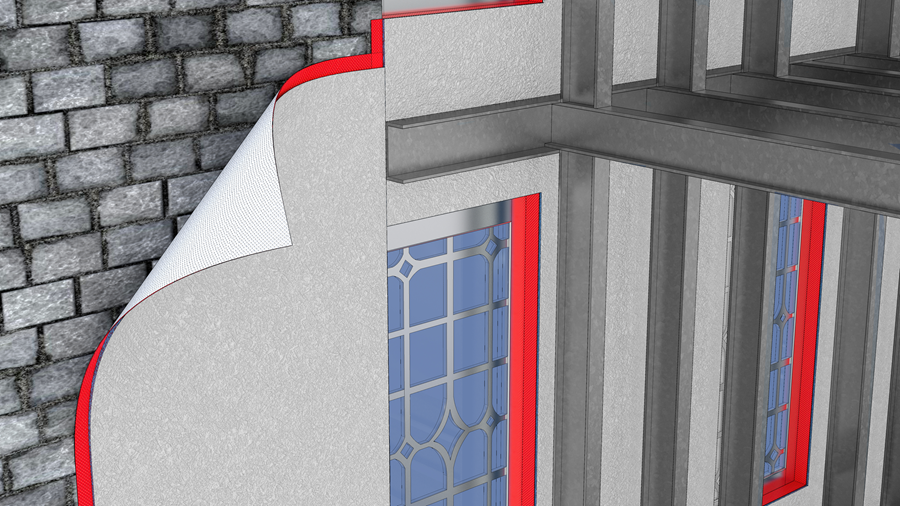
Wraptherm® – Airtight Insulated Membrane
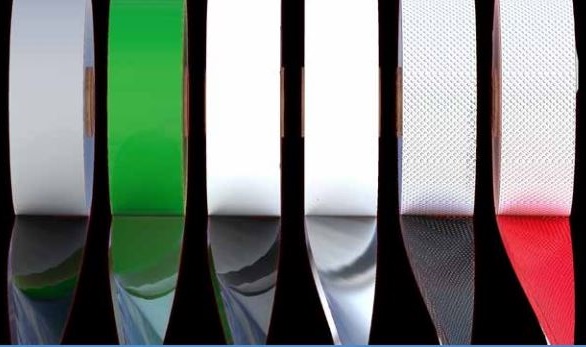
Airtightness Tapes
Latest Articles
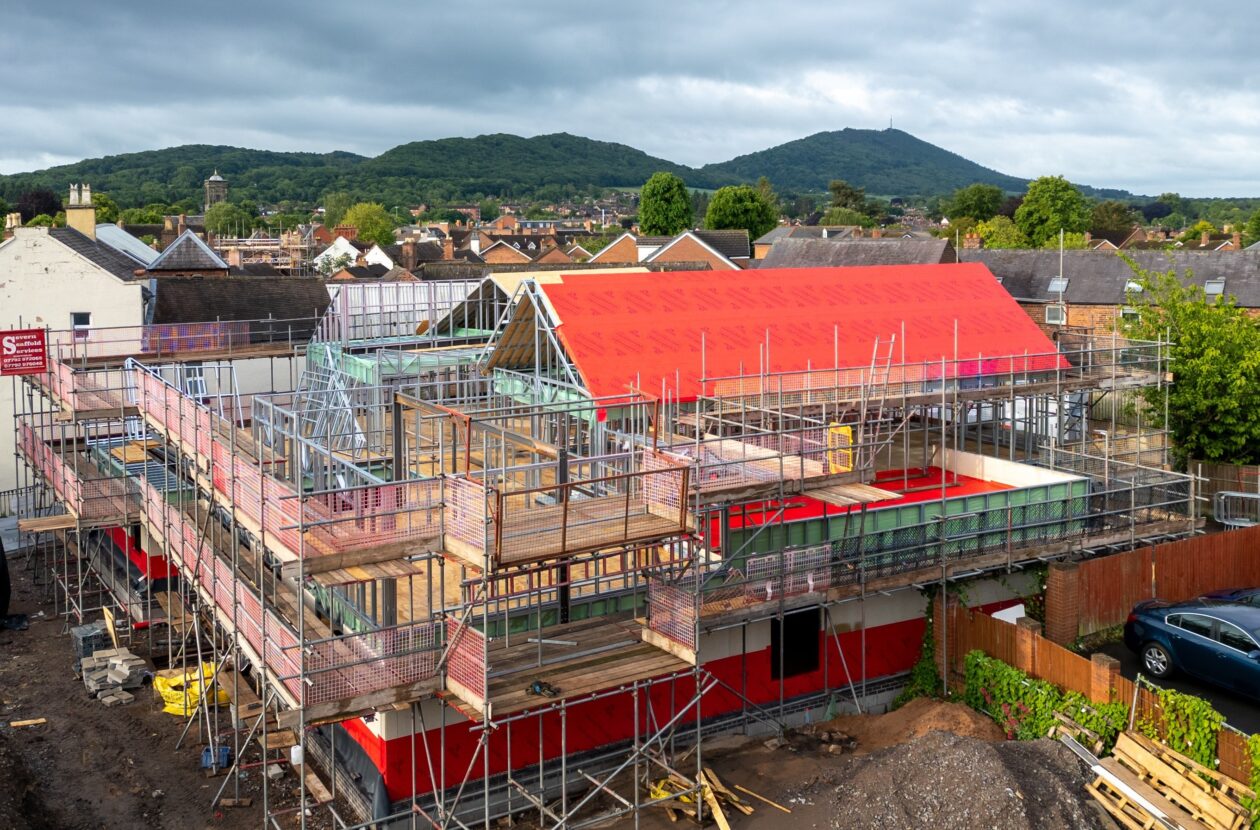
Related Projects
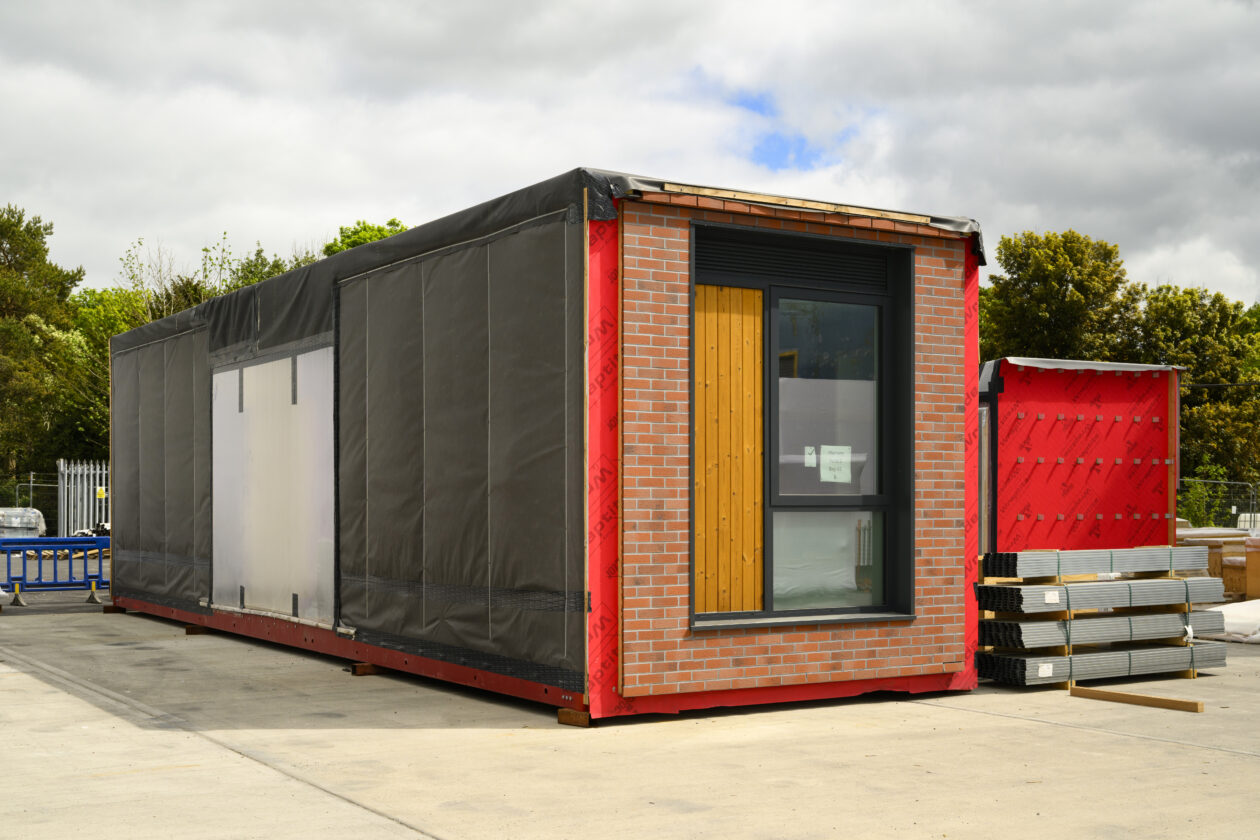
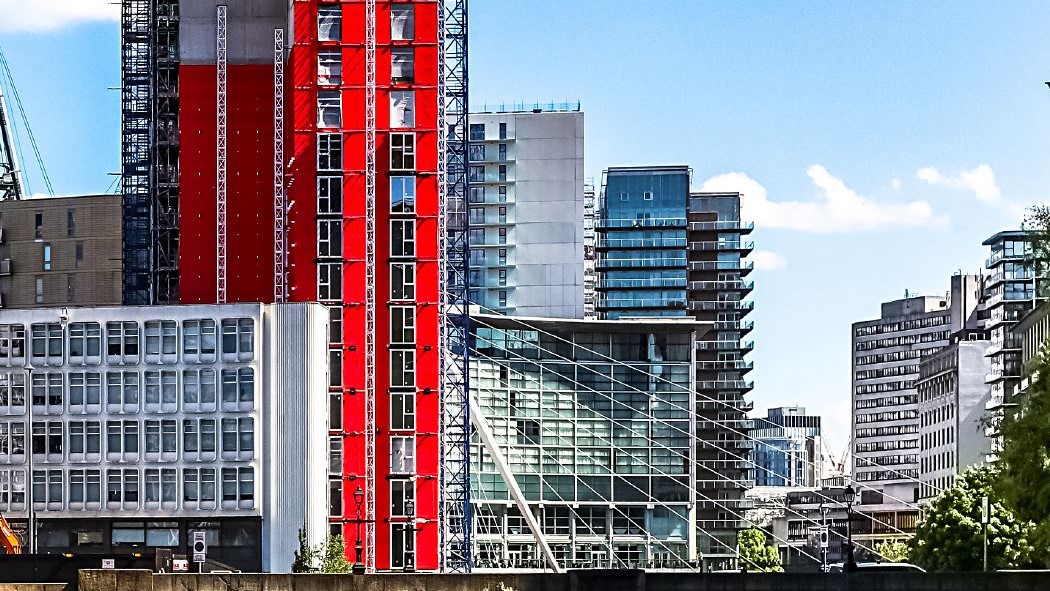
Reds10: Wraptite® for Near-Passivhaus Airtightness in Modular Construction
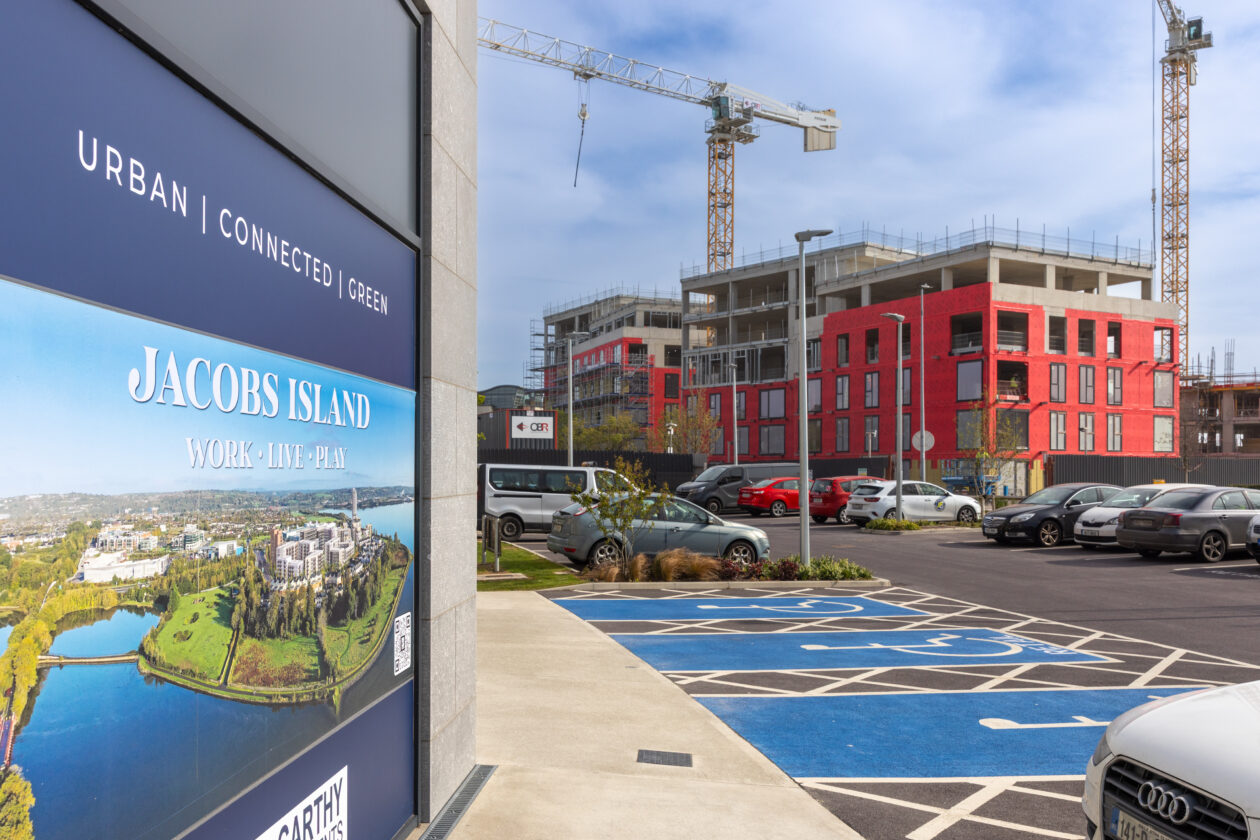
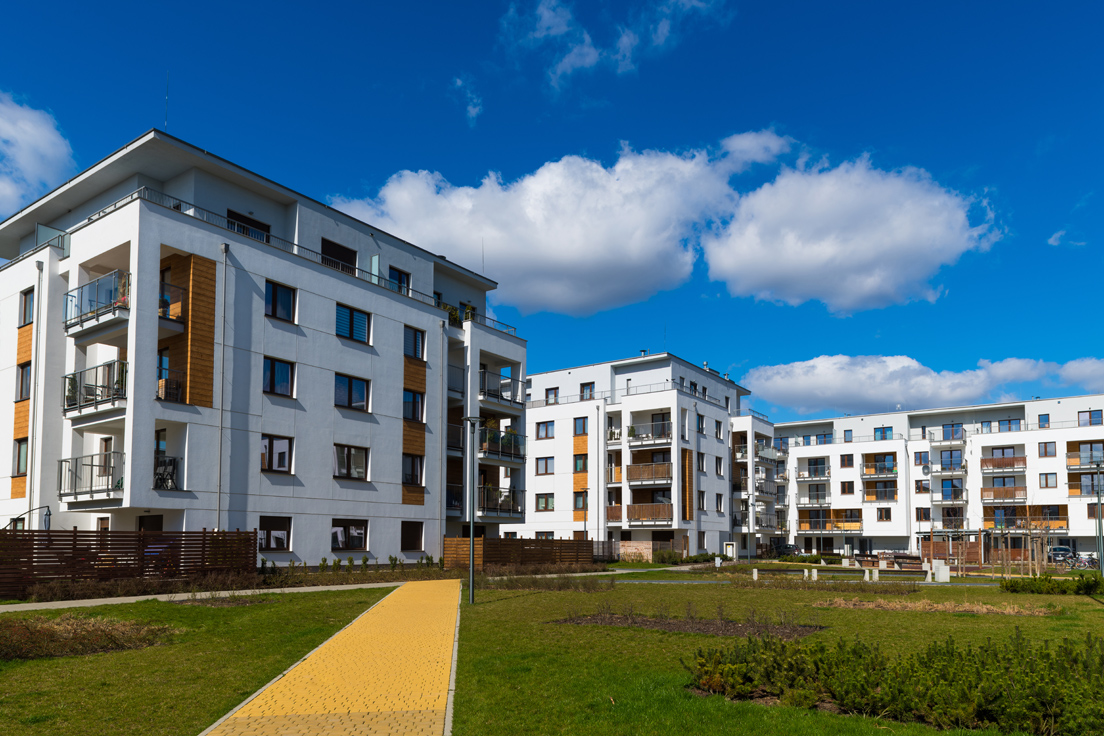
Jacob’s Island: Wraptite® for an A2 Energy Rating in NZEB Apartments
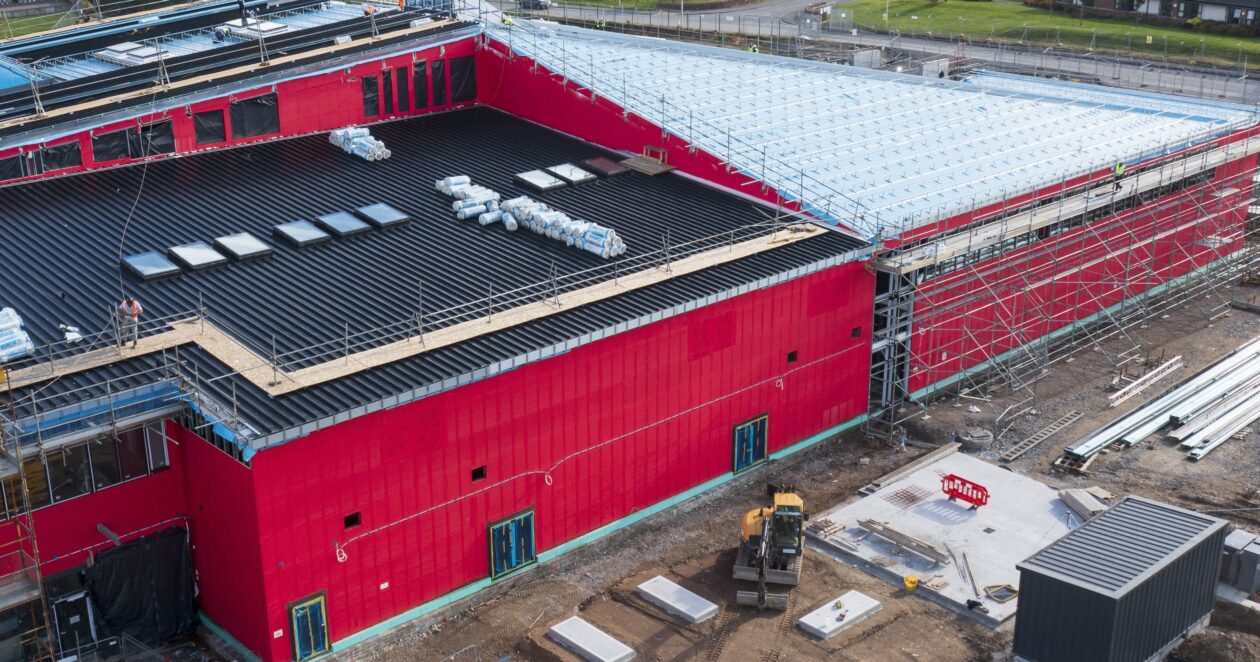
The Highlands’ first Passivhaus school features offsite Wraptite® installation
What Effect Can Wind Forces Have On A Facade’s Breather Membrane?
Latest News

Request a Sample

Technical Advice

CAD Detail Review

U-Value Calculation

Book a CPD

Specification Check