
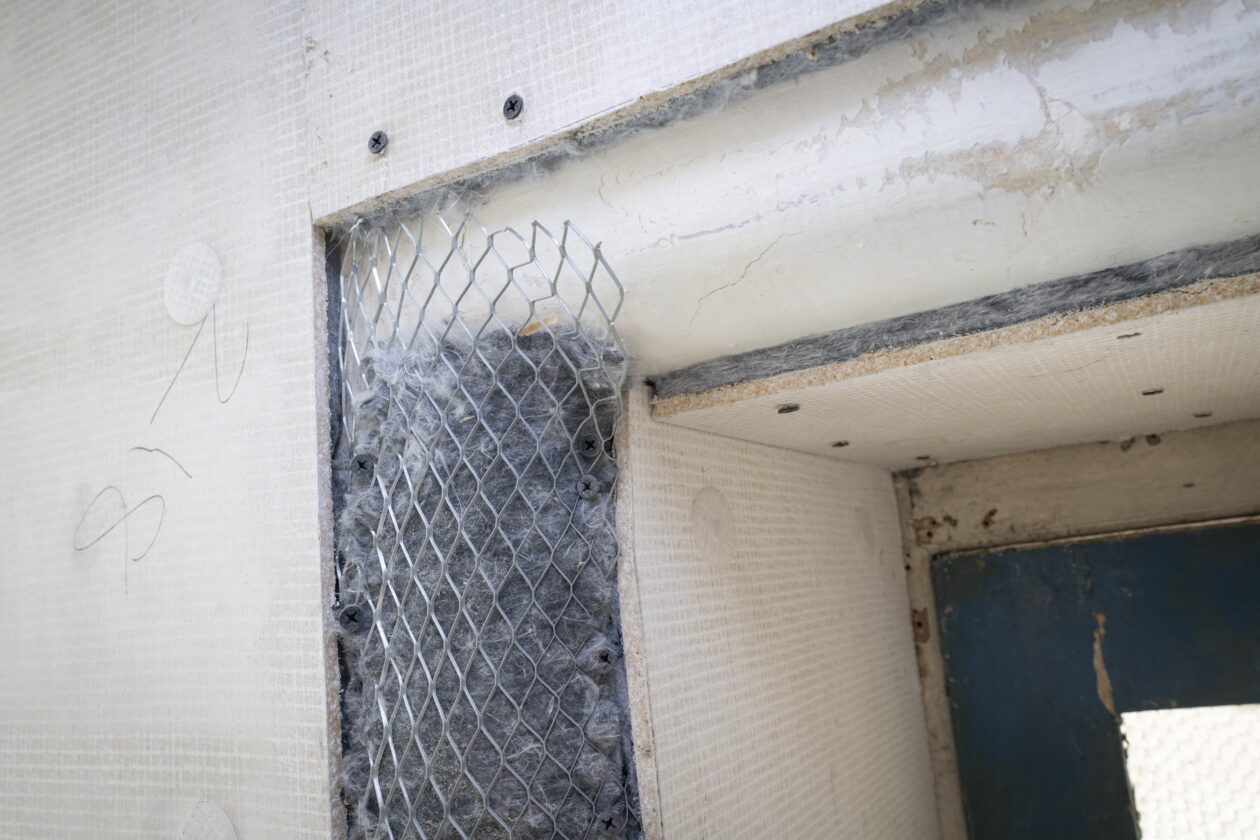
Thermal bridging is one of the most critical, yet often underestimated, aspects of building performance. With modern construction placing significant emphasis on insulation, airtightness, and energy efficiency, even small discontinuities in the thermal envelope can undermine efforts to deliver high-performance, comfortable buildings.
One of the most important things to remember is that continuity of insulation is as important as insulation thickness itself. A well-insulated wall with poor detailing at junctions and openings can perform worse than a moderately-insulated wall with well-designed continuity.
Advancements in materials and construction technology have made it easier to address thermal bridging with thinner, better-performing products.
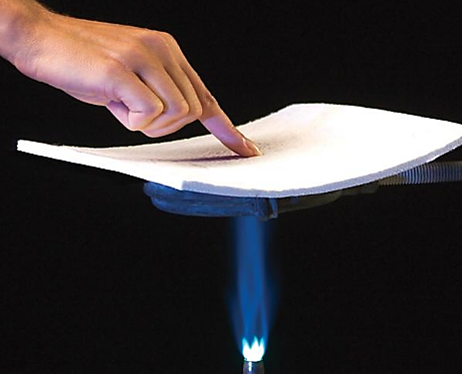
Aerogel is made to produce a thin insulation material with a low thermal conductivity, and which is also hydrophobic (doesn’t absorb liquid water) and vapour open (maintains ‘breathability’). These characteristics allow it to be used almost anywhere in order to maintain continuity of insulation.
Retrofit Applications For Spacetherm Aerogel
Existing buildings often cannot accommodate significant thicknesses of insulation without sacrificing internal space. It’s little surprise, therefore, that aerogel has gained in popularity.
We have seen products from our Spacetherm range used as internal wall insulation in traditional Victorian terraces in London, a listed Georgian townhouse in Bath, a country house in Scotland, and a Hausmann-style apartment in the heart of Paris.
In almost every case, the client wished to improve comfort without losing floor space, and without affecting existing features like cornices. They also understand the importance of allowing walls to continue to ‘breathe’, rather than using vapour-closed insulation materials that could cause long-term moisture issues within the walls.
On many of those same projects, Spacetherm is also used to treat window reveals, ensuring continuity from the internal wall insulation to the window itself.
In addition to walls, floors can also be treated with Spacetherm. As part of retrofitting a private home in Inverness, our customer chose Spacetherm to insulate the existing floor slabs. He avoided having to break up the concrete, and was able to retain existing skirting boards and door heights. The slabs had no DPM, so the Spacetherm offered similar benefits as in walls – it would not absorb any liquid water, but could support any drying by allowing vapour movement.
New-Build Applications For Spacetherm Aerogel
Every day, construction sites encounter hard-to-treat details on new-build projects. If a detail is not worked out in advance, a solution has to be improvised on site.
Vapour-openness may not be a concern (a lot of modern construction is vapour closed), but insulation continuity is still critical to minimising thermal bridging heat losses and preventing possible condensation and mould growth.
In new-build scenarios, Spacetherm is usually best deployed across junctions. These are the details where design intent and practical reality do not marry up, and continuous insulation becomes impossible.
At the listed Georgian townhouse in Bath, our customer undertook a kitchen extension to the rear of the property. The flat roof featured two rooflights, sitting proud of the roof finish. As the rooflights were not continuous with the roof insulation, the uninsulated upstands needed to be treated.
Spacetherm offered the thermal performance necessary to reduce heat loss through them without spoiling the appearance of the rooflights or the clean lines of the modern extension.
What Guidance Is Available For Treating Thermal Bridges With Aerogel?
The scenarios we’ve outlined above have informed the development of our new thermal bridging applications guide. It covers three scenarios commonly found in both retrofit and new-build scenarios
- Roof abutments: at roof-to-wall interfaces, thermal bridging is commonly introduced where insulation is reduced in thickness; continuity between wall and roof insulation is interrupted; or flashing and weathering elements dominate the build-up.
- Window reveals and heads: window junctions are among the highest-risk areas for thermal bridging and condensation. Standard approaches often result in reduced insulation thickness at reveals; cold bridging at lintels and heads; and increased risk of mould growth internally.
- Constrained wall areas: wall recesses and areas which cannot accommodate full thickness EWI frequently suffer from interrupted insulation layers; complex geometry that is difficult to insulate effectively; and colder areas of wall internally.
Find Out More
Latest Articles

Related Projects
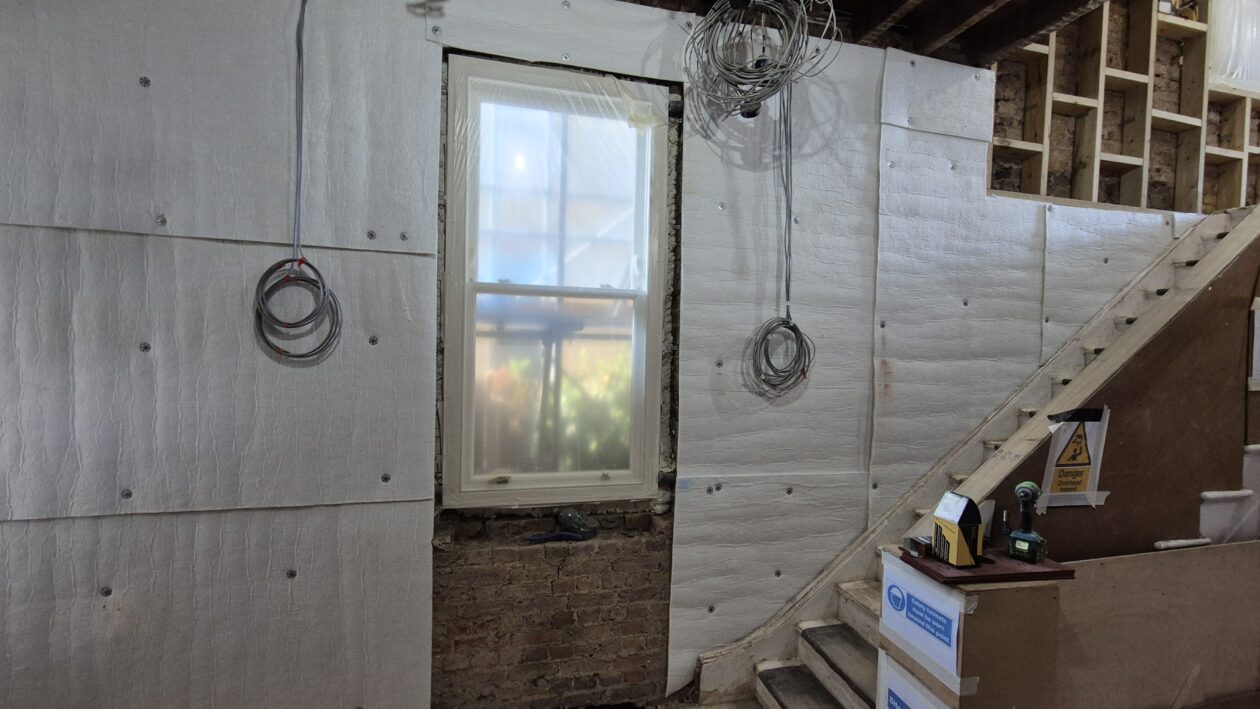
Wimbledon Victorian Home Renovation: Spacetherm® A1 for Solid Wall Insulation
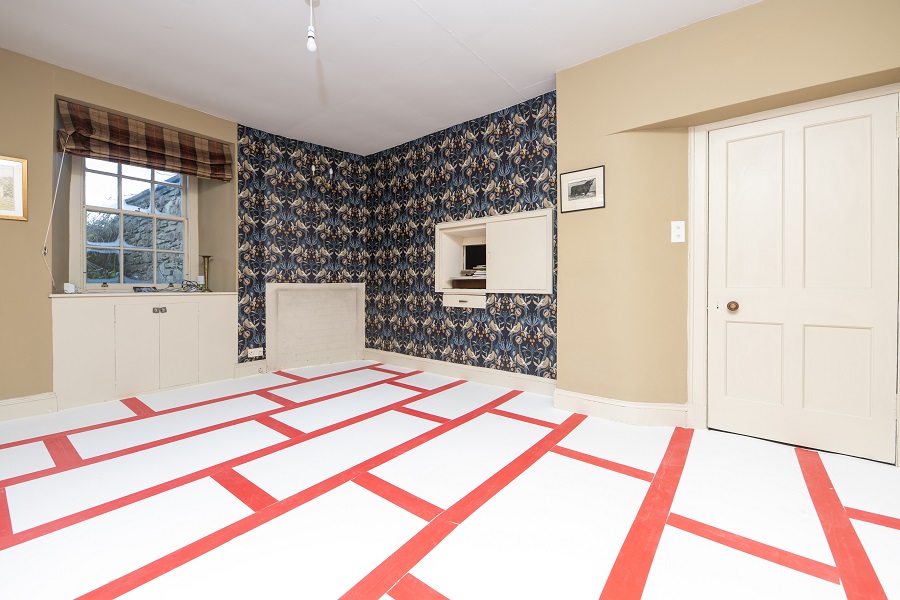
Balloch Farm: Spacetherm® Multi for Existing Concrete Floor Insulation
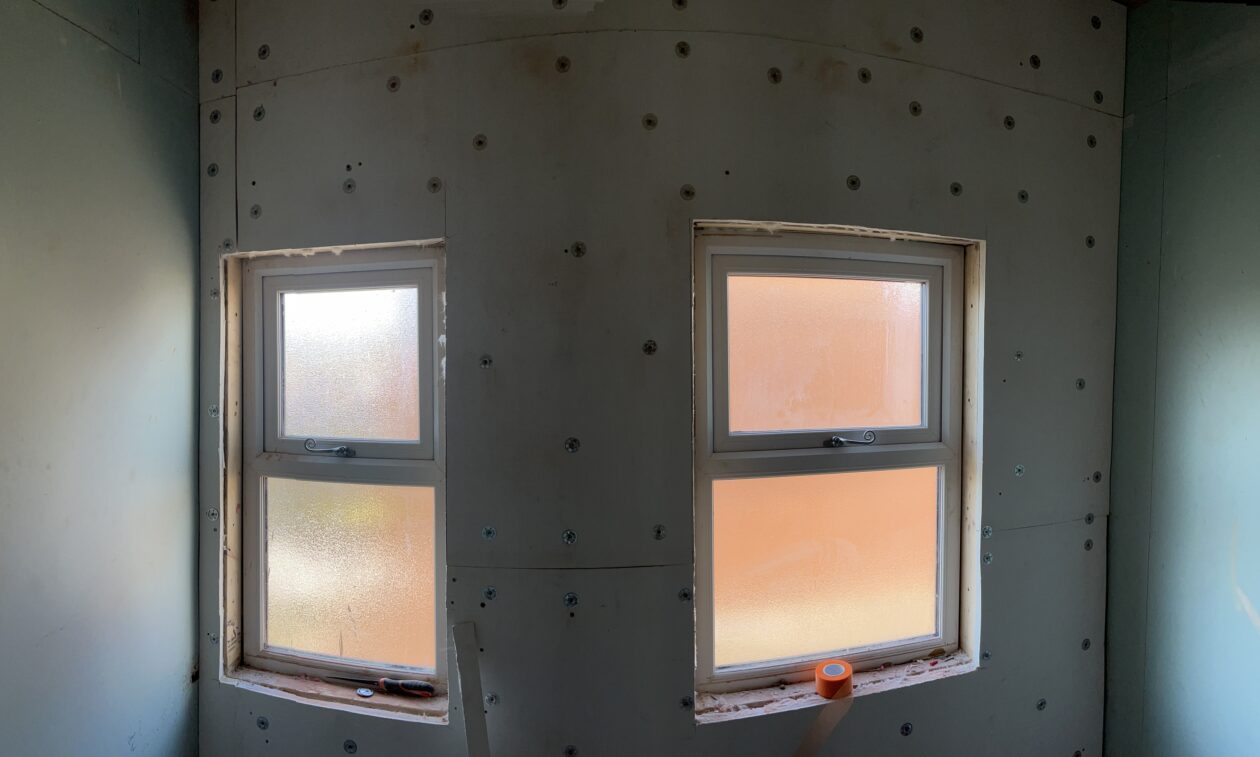
Bathroom Retrofit: Spacetherm® Multi for Thermal Insulation Where Space Is Limited
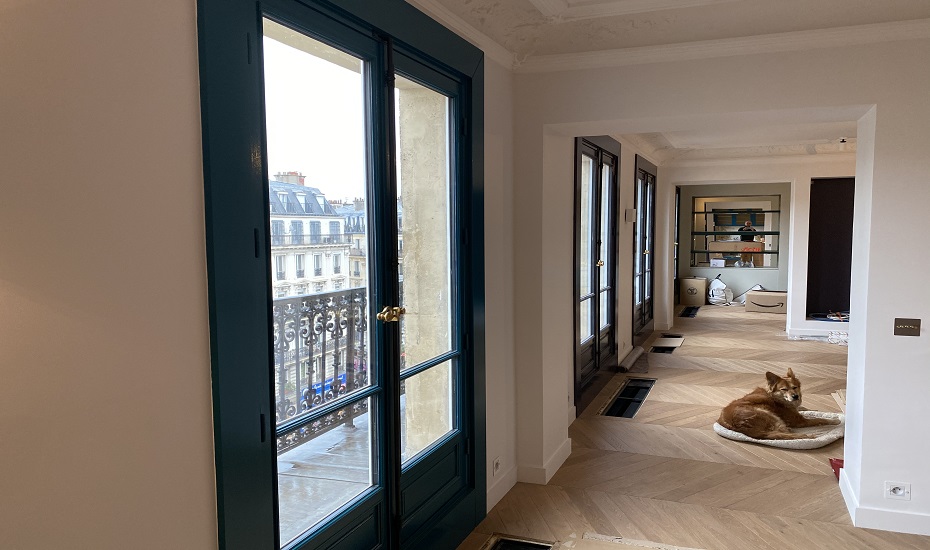
Spacetherm WL – Paris
Latest News


Request a Sample

Technical Advice

CAD Detail Review

U-Value Calculation

Book a CPD

Specification Check