
An interface membrane acts as a seal between a facade’s external breather membrane and penetrations such as windows and doors. These interfaces are some of the most critical junctions of the building envelope, so it’s essential for specifiers to have confidence in their chosen solution, and for installers to know they can achieve a high-quality result on site.
Construction projects face stricter regulatory requirements, especially around fire safety performance. As a result, membrane manufacturers are increasingly asked for advice on compatibility between their facade membranes and interface solutions.
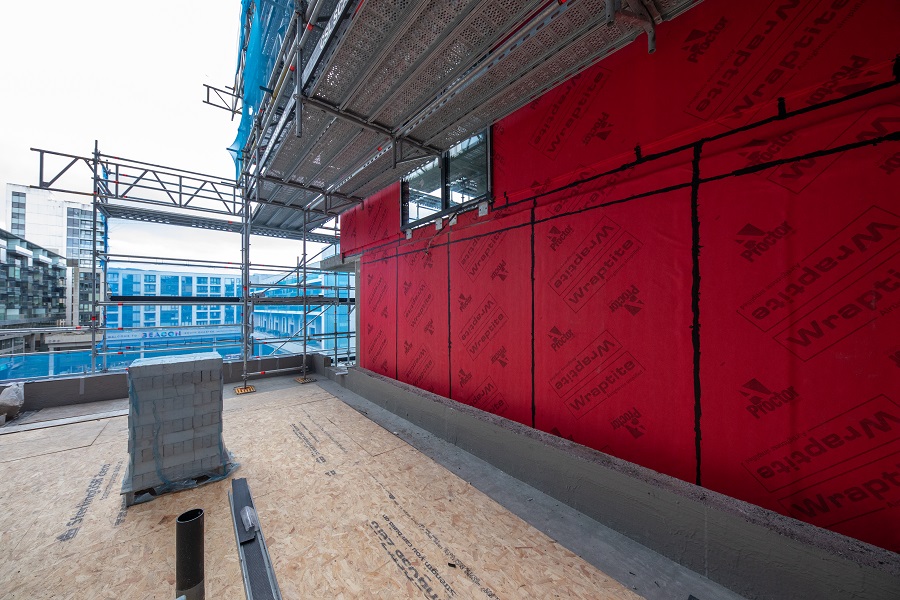
Proctor Group has therefore developed its own interface membrane called Wrapseal®, built on the same Wraptite® adhesive technology trusted by projects worldwide for over 15 years.
What interface solutions are traditionally used on facades?
The most common approach to dealing with interfaces on facades is a synthetic rubber-based solution. Synthetic rubber membranes (i.e. EPDMs) are economical but, with such a vast range of options available, it can be confusing for specifiers and contractors to understand which is best to use with the chosen breather membrane.
Proctor Group is frequently asked about the compatibility of third-party interface products with Wraptite external airtightness membrane. Many rubber membranes are self-adhered, and the adhesive can be an unproven or unknown quantity. Others require a primer, which puts the onus on the installer applying the membrane correctly.
These factors make it difficult for us to give definitive advice. They also create uncertainty for contractors and, ultimately, building owners. A rubber interface solution is not part of the warrantied membrane installation, and contractors have to order different products from different sources.
Contractors – including companies who specialise in recladding – are increasingly looking for an alternative approach that takes away the uncertainty they face. That’s where Wrapseal comes in.
A new interface membrane built on Wraptite technology
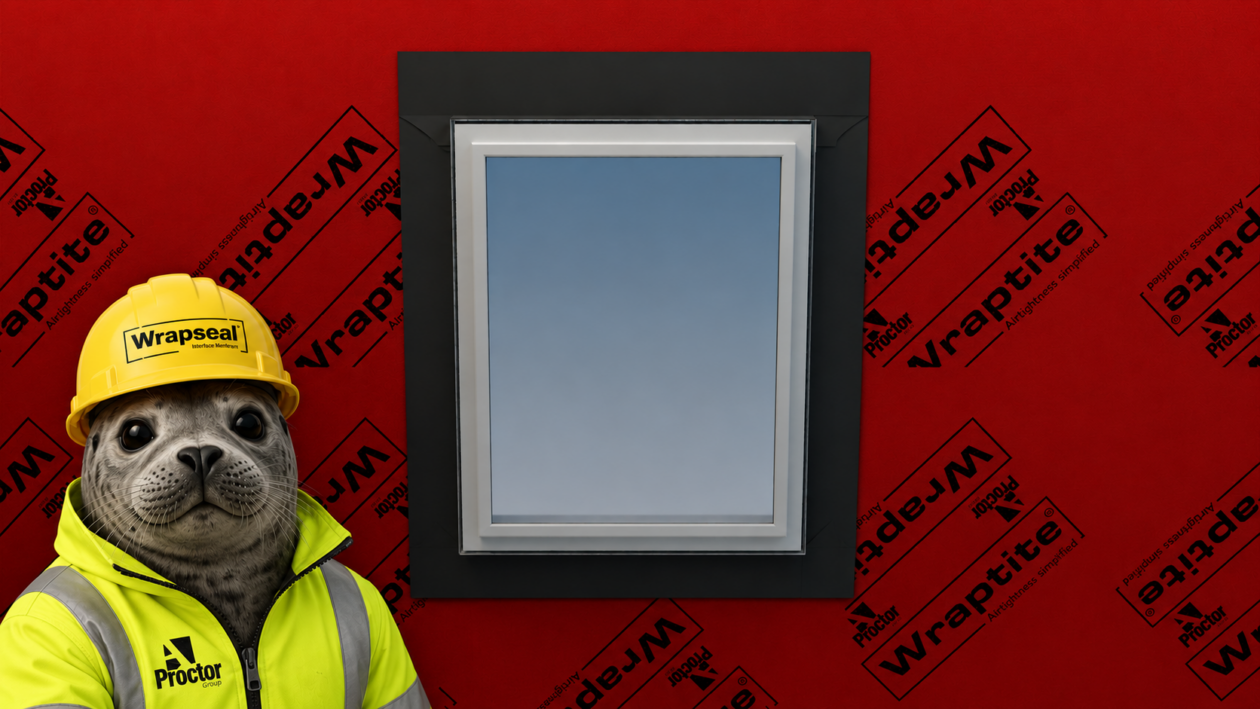
Wrapseal is a self-adhered, vapour permeable interface membrane. It is an alternative to traditional synthetic rubber-based interface solutions, helping designers and contractors to meet fire safety and performance expectations without compromising buildability.
Based on the existing Wraptite UV membrane, Wrapseal benefits from the same patented adhesive technology that has been BBA certified (with Wraptite) for over a decade. The result is a membrane that is vapour permeable, compatible with multiple substrates, and fully aligned with modern facade performance requirements.
Developed primarily for use alongside Wraptite and Wraptite UV, Wrapseal can be used with any Proctor Group wall membrane. Interface detailing is one of the most critical, and often overlooked, areas of facade performance, so this compatibility gives flexibility to specifiers and installers – without uncertainty.
Supplied in 50m rolls and available in 200, 250 and 300mm widths, Wrapseal brings the proven reliability of Wraptite’s adhesive technology to interface junctions, delivering confidence and helping to ensure that performance won’t be compromised at the details.
Wrapseal as part of a facade system
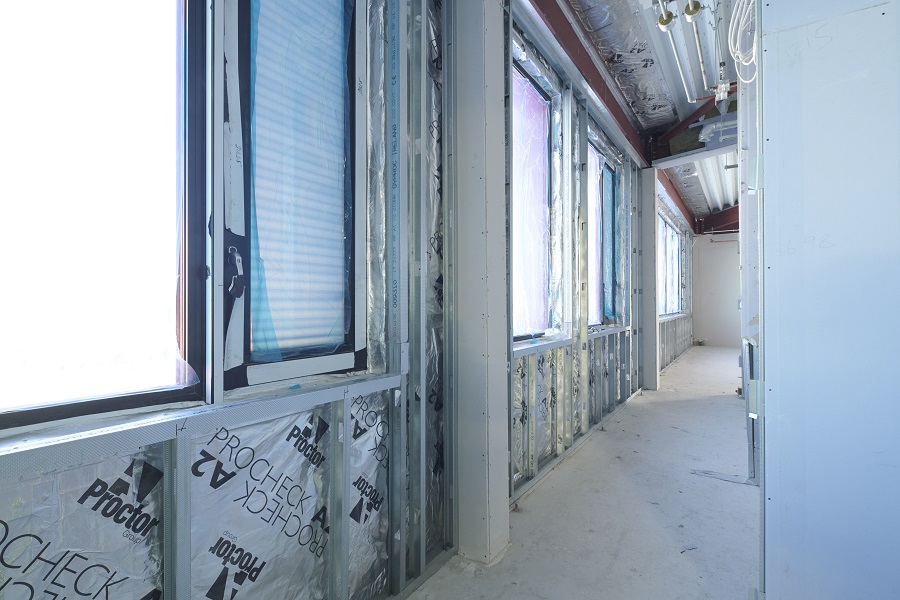
Beyond individual detailing, Wrapseal strengthens Proctor Group’s wider facade system approach, which also includes:
- vapour permeable (“breather”) membranes;
- Internal vapour control layers.
As with any component of a facade, the quality of the installed system depends on a good standard of workmanship. The compatibility of Wrapseal with Wraptite/Wraptite UV lends itself to achieving better workmanship on site, especially where contractors take advantage of Proctor Group’s site support services.
Toolbox talks are available for Wraptite/Wraptite UV external air barrier. As Wrapseal’s self-adhered nature is built on the same adhesive technology as the airtight breather membranes, any contractor who has received a toolbox talk will be well placed to install Wrapseal with a similar degree of confidence. A comprehensive installation guide for Wrapseal is also available.
Wrapseal delivers everything expected from an interface membrane, with the added assurance of Wraptite’s proven adhesive performance. By using Wrapseal alongside Wraptite, contractors benefit from one integrated system, one company, and one point of contact for technical and commercial support.
Find out more: https://proctorgroup.com/products/wrapseal
Latest Articles

Related Projects
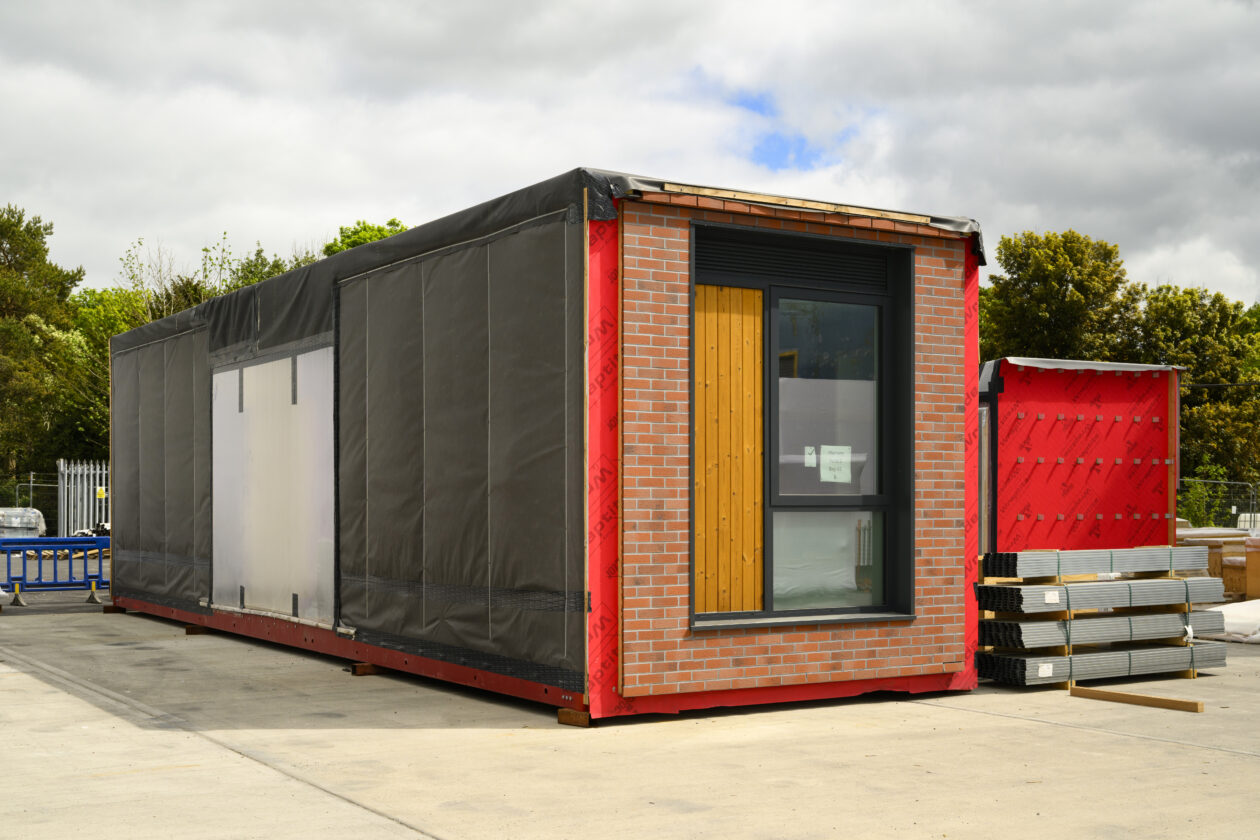
Reds10: Wraptite® for Near-Passivhaus Airtightness in Modular Construction
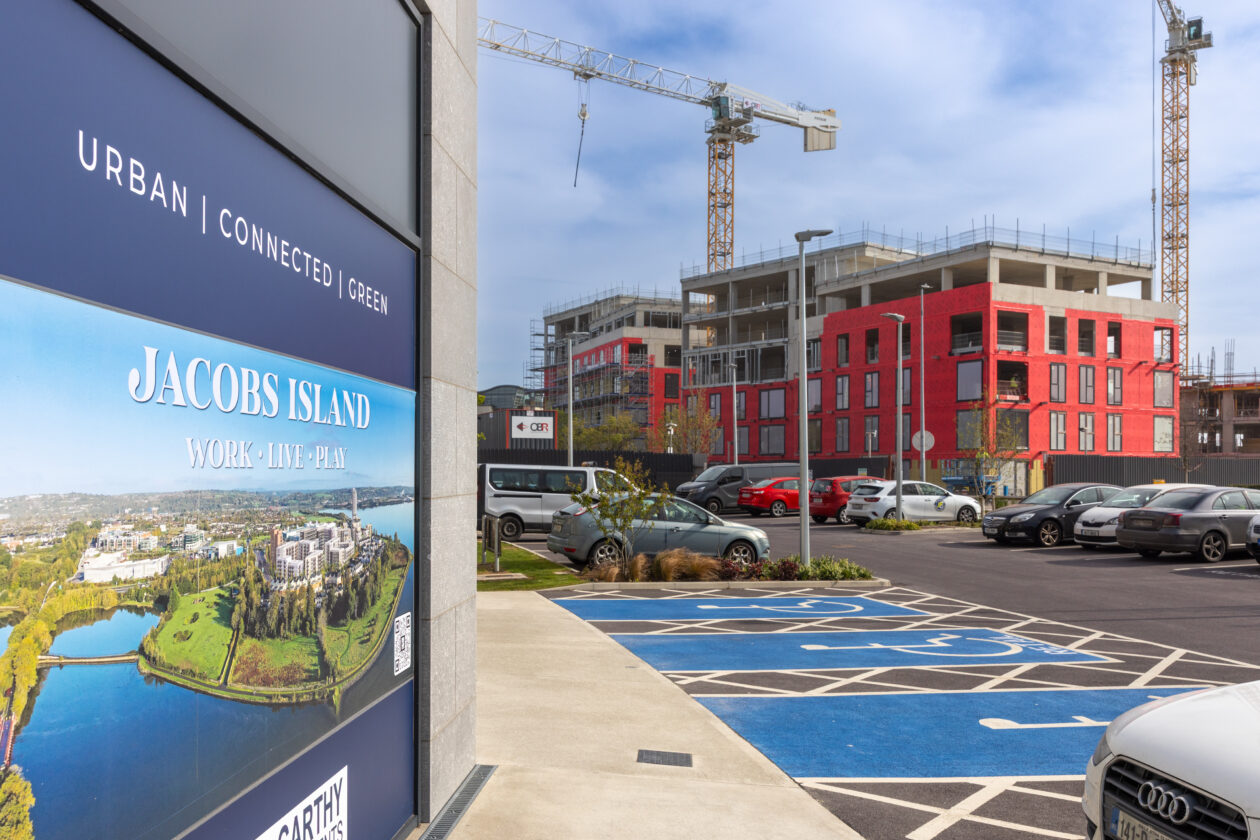
Jacob’s Island: Wraptite® for NZEB Apartments
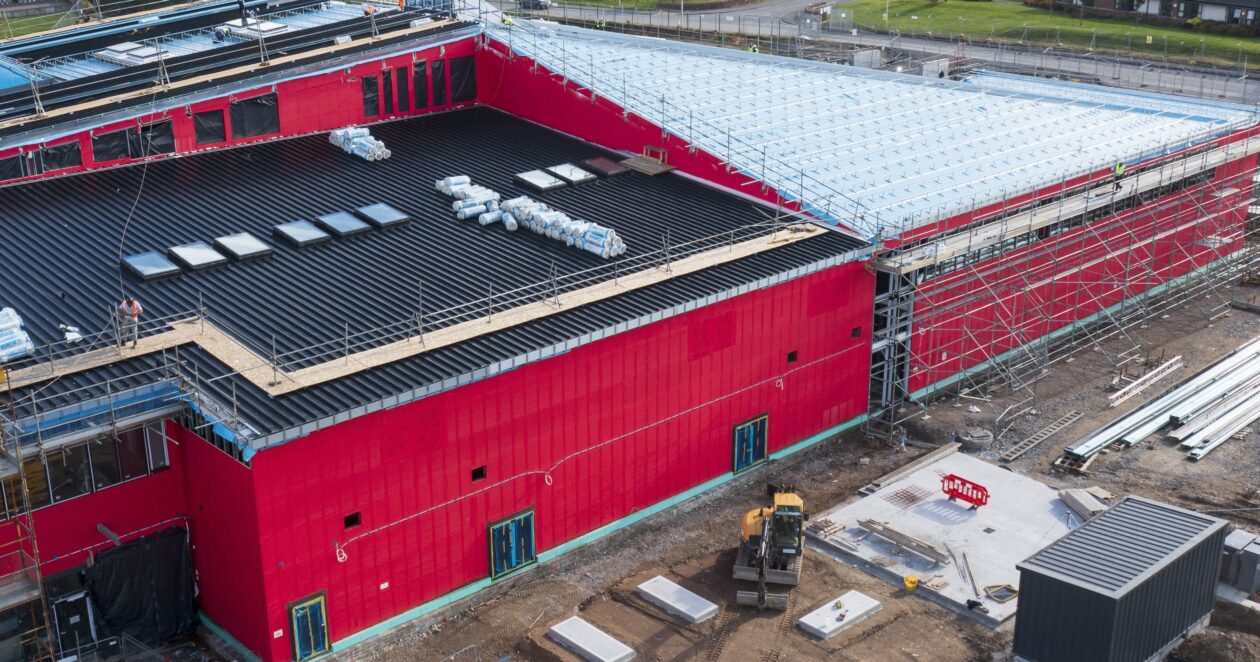
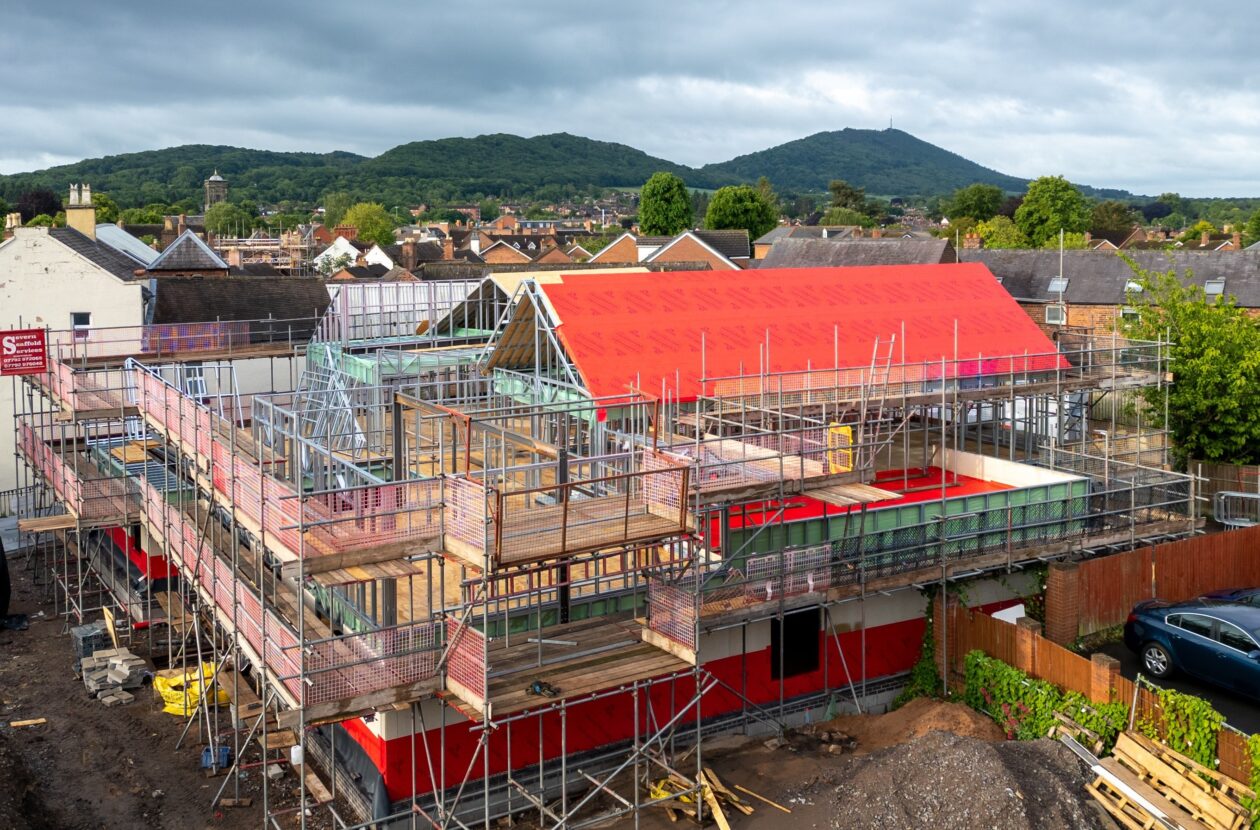
Tain Campus: Wraptite® for Passivhaus Airtightness with Offsite Installation
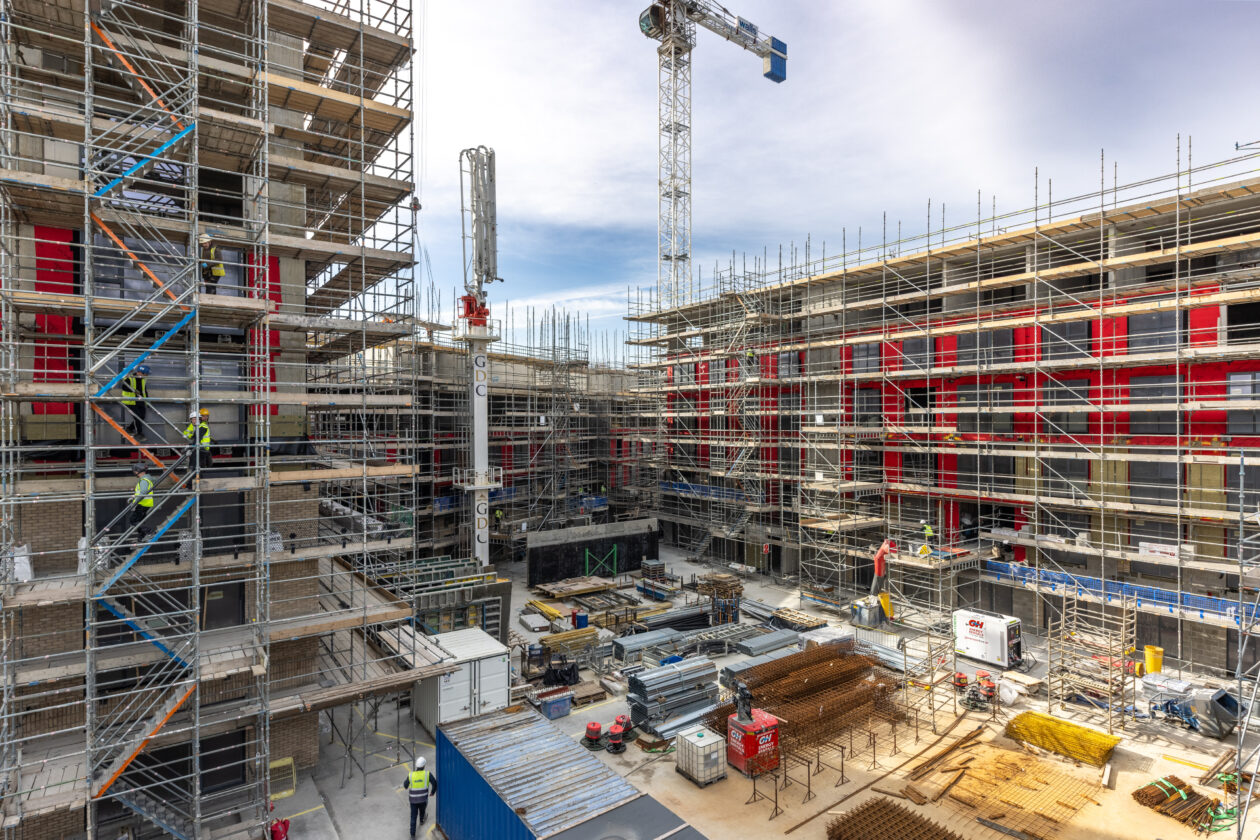
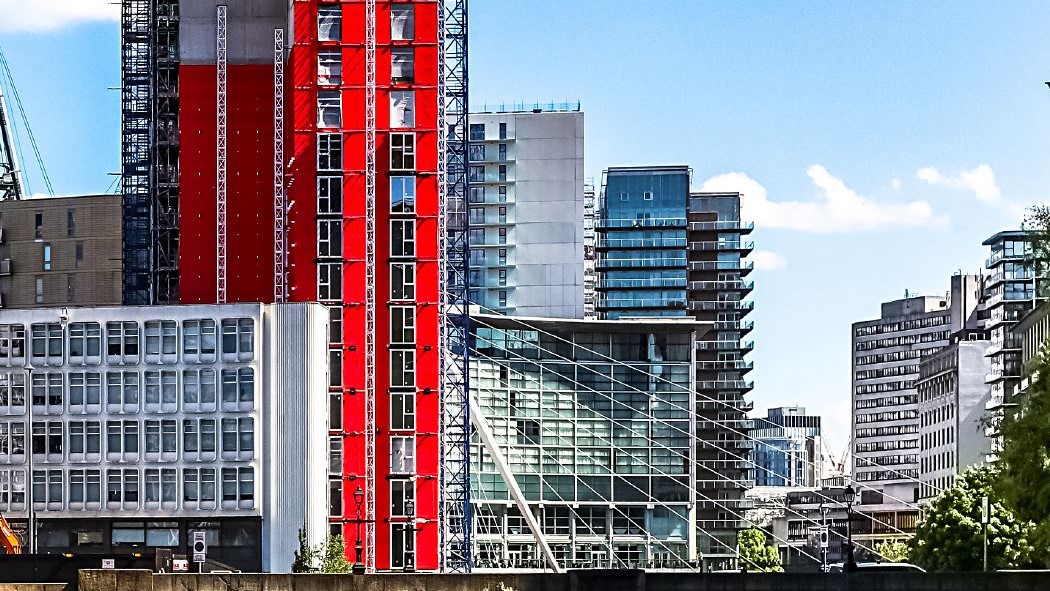
Lightburne: Wraptite® for Airtightness and Wind Resistance in Apartment Facades
Latest News
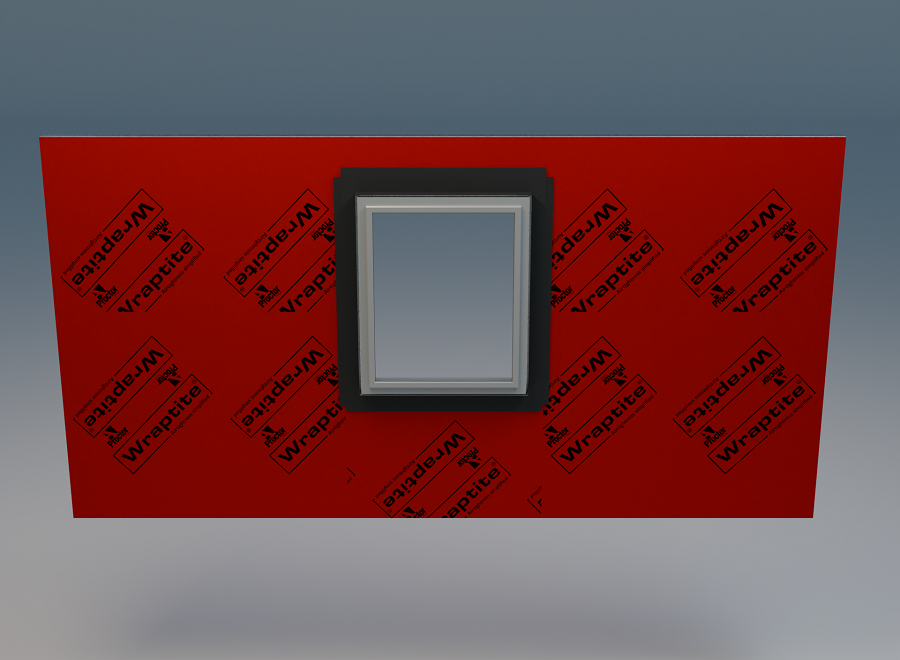
Wrapseal Launches: Proven Adhesive Performance at the Facade Interface
Environmental Product Declaration (EPD) for six membrane products
A. Proctor Group products achieve CCPI assessment

‘The Proctor Podcast’ launched by A.Proctor Group to talk all things construction

Request a Sample

Technical Advice

CAD Detail Review

U-Value Calculation

Book a CPD

Specification Check