• Request a Sample icon

      Request a Sample

    • Technical Advice icon

      Technical Advice

    • CAD Detail Review icon

      CAD Detail Review

    • U-Value Calculation icon

      U-Value Calculation

    • Book a CPD icon

      Book a CPD

    • Specification Check icon

      Specification Check

    Product Information

    Successful, design-led industrialised construction combines products and build quality capable of delivering fabric-first performance with the latest technology to support the most rigorous quality assurance.

    The result is not ‘just’ high-quality, offsite-manufactured modules. It also delivers a wholesale change in the contracting model, based on repeatable quality, de-risked installation and data ownership.

    Where module quality and performance are concerned, airtightness is only one aspect of a robust fabric-first approach. It is, however, a crucial one. Improved airtightness standards help avoid excessively thick layers of thermal insulation. Coupled with appropriate ventilation, airtightness can also deliver improved levels of comfort within buildings.

    It is little wonder, then, that sectors embracing industrialised construction increasingly demand excellent results from airtightness testing.

    Case study: Reds10’s Unique Approach To Industrialised Construction

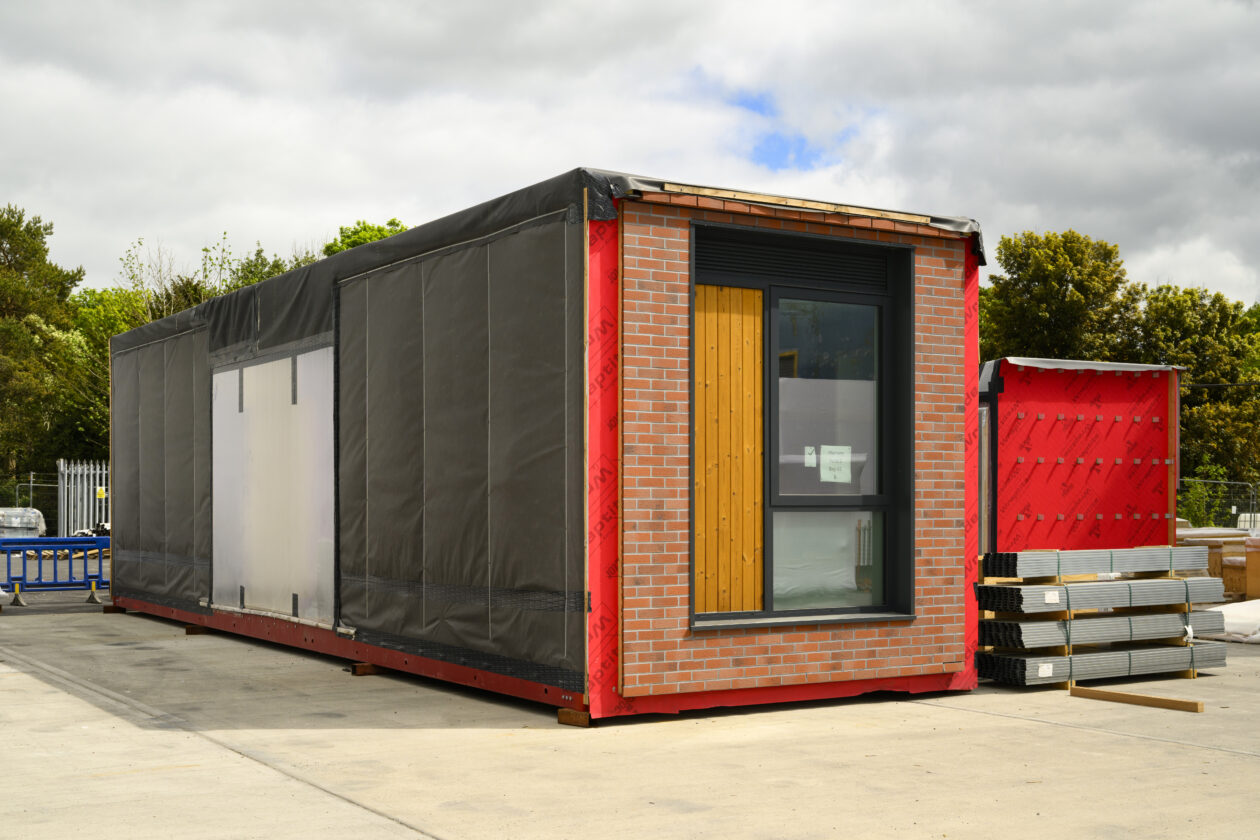
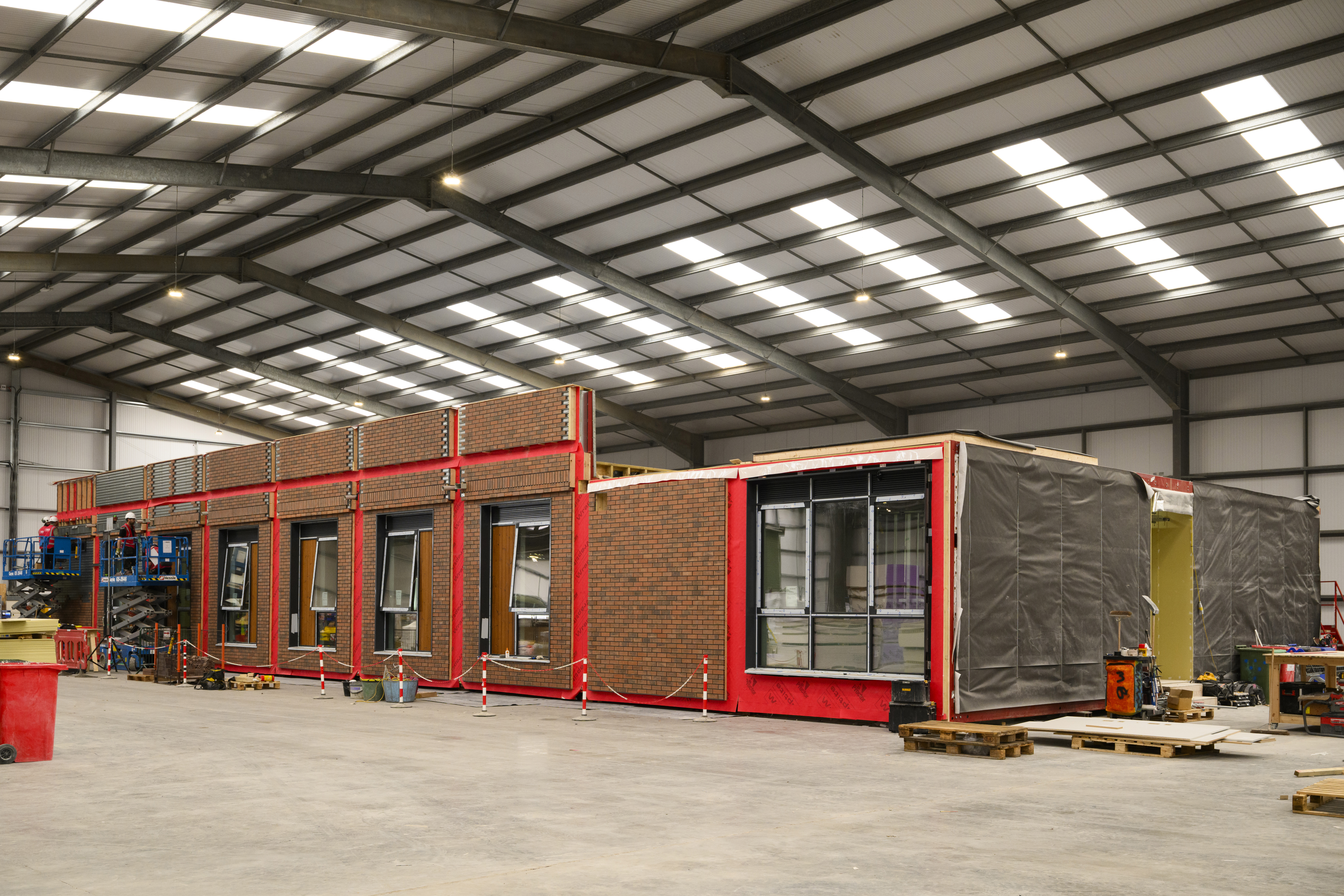
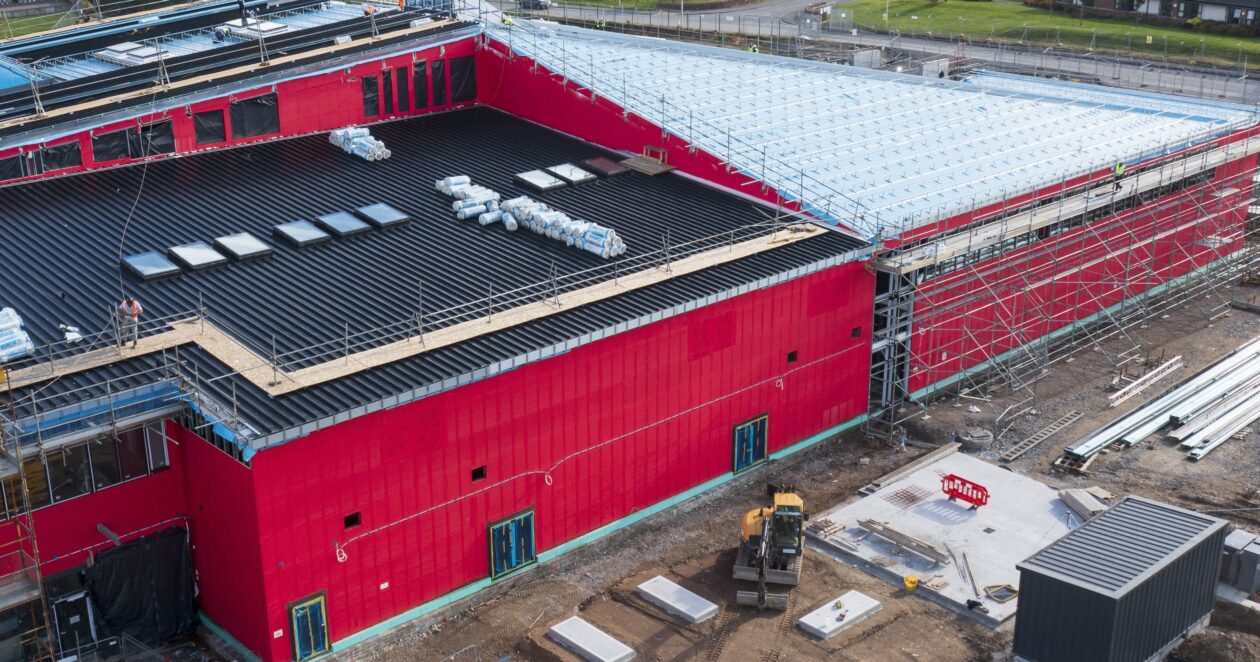
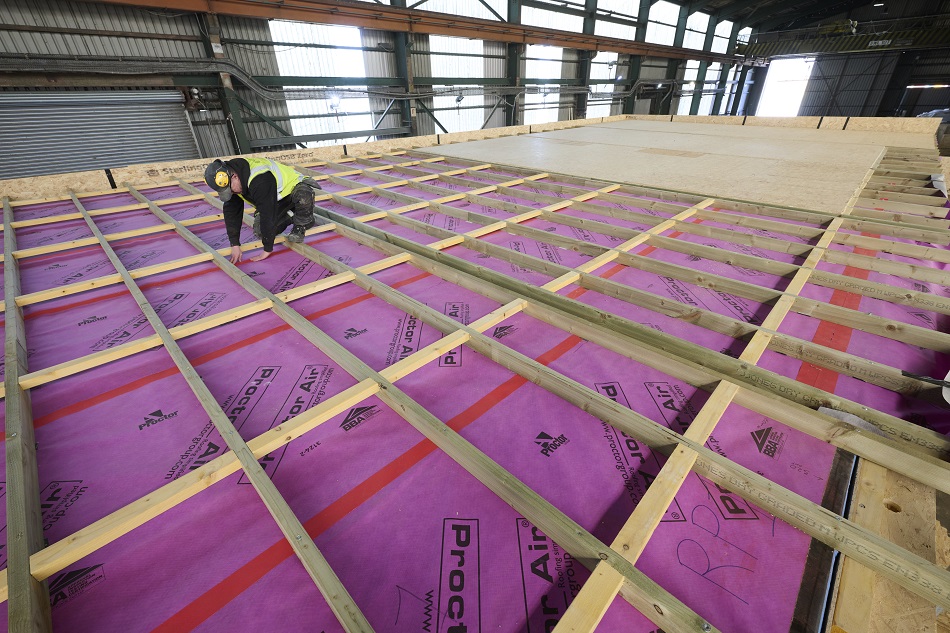
    Operating from a 50-acre offsite manufacturing facility in Driffield, Yorkshire, Reds10 is redefining how public infrastructure and commercial projects are delivered. With 87% of its work completed before a project reaches site, the company aims to optimise quality, speed and sustainability.

    Reds10 works across multiple sectors—including defence, education, justice, healthcare and residential—and has the capacity to deliver 15,000 units per year.

    The Challenge

    Initially required only on defence projects, Reds10 needed to achieve Passivhaus levels of airtightness, with test results of 1 m³/(h·m²) or less.

    The company therefore needed a membrane that could be applied within the production facility, together with a compatible tape to seal between units once they were delivered to site. The solution also needed to be transferable as airtight construction became a requirement in other sectors in which Reds10 operates.

    The Solution

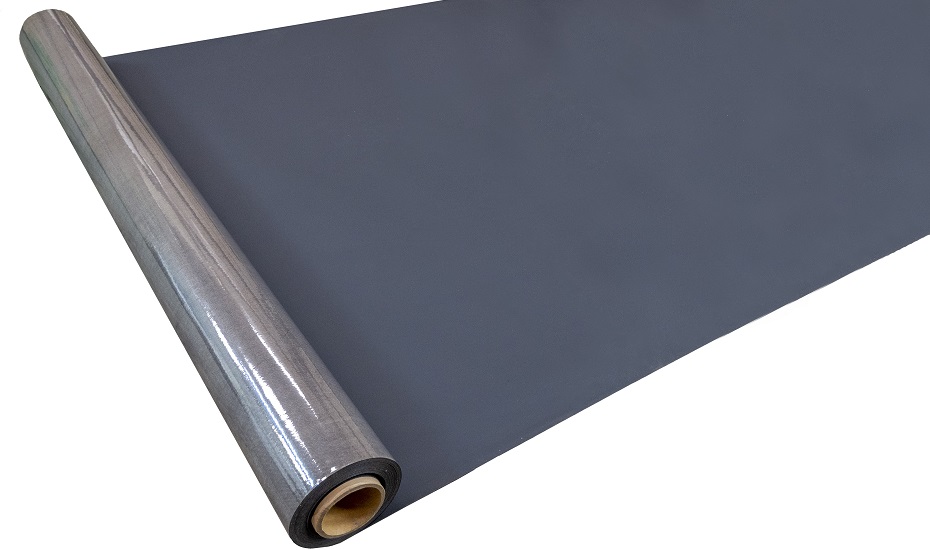
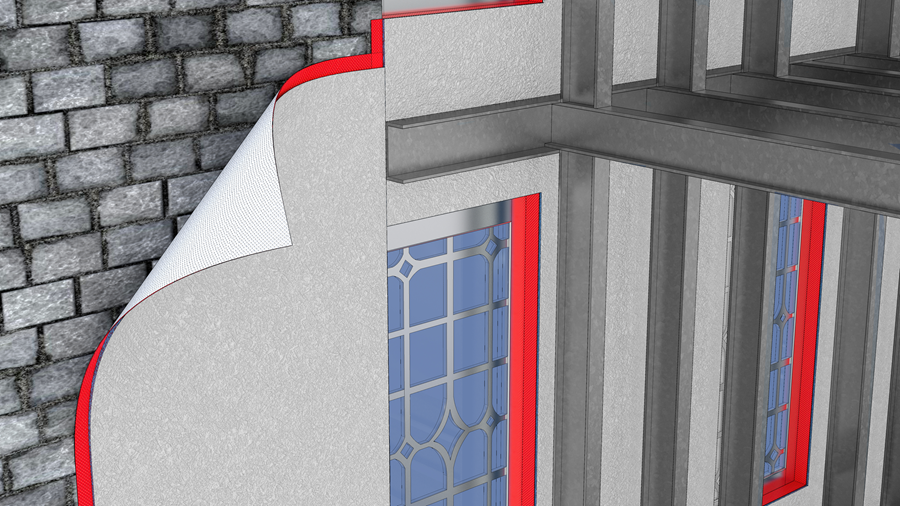
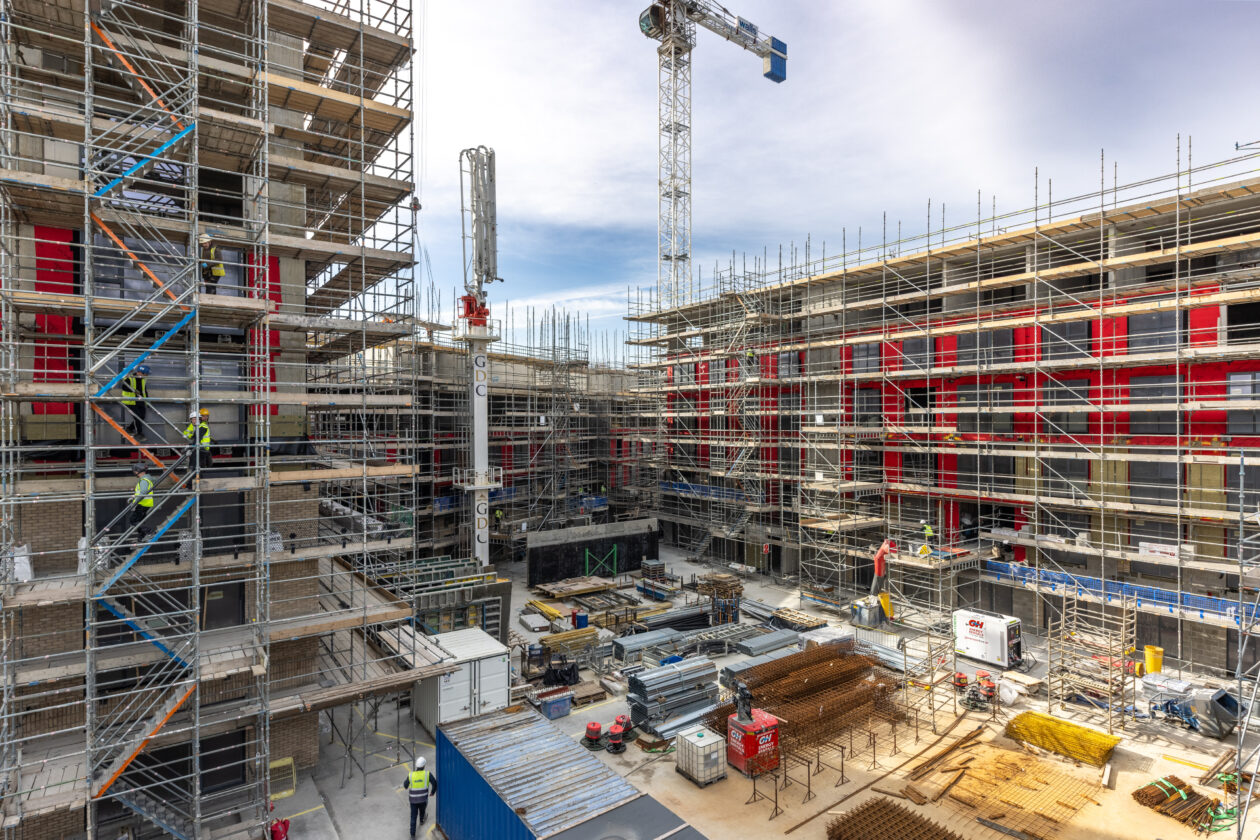
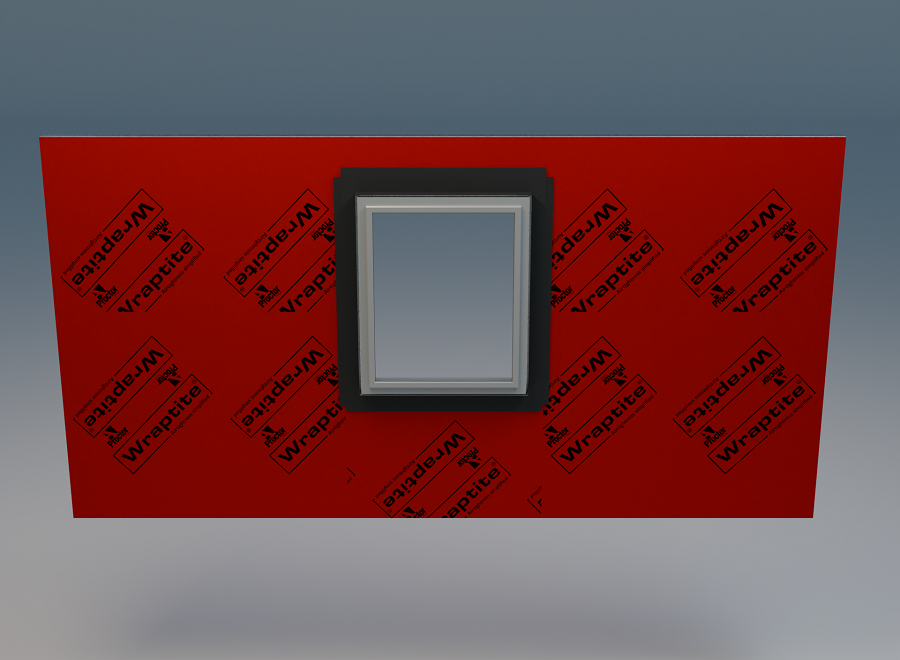
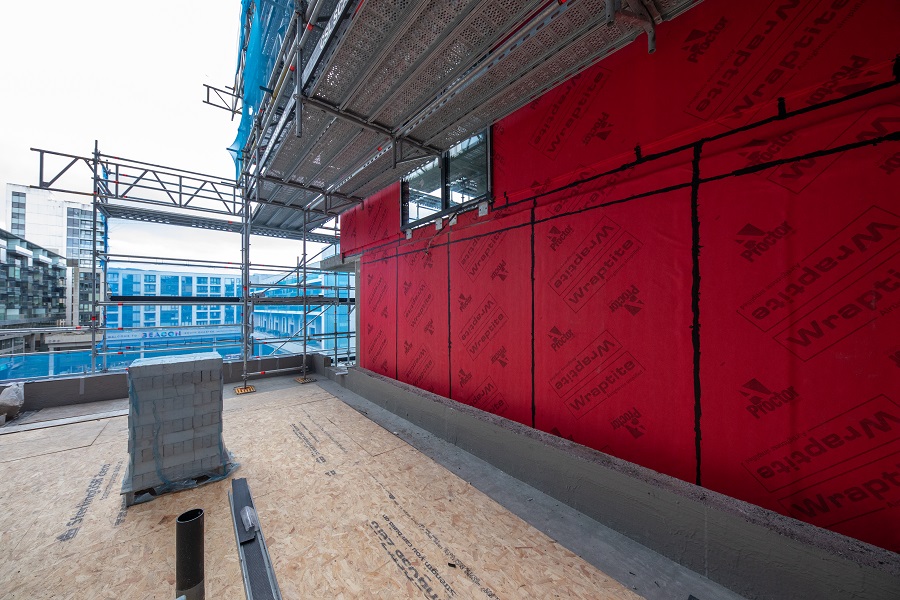
    After trialling several potential solutions, Reds10 chose Proctor Group’s Wraptite® external air barrier for modular units where airtightness was a key requirement.

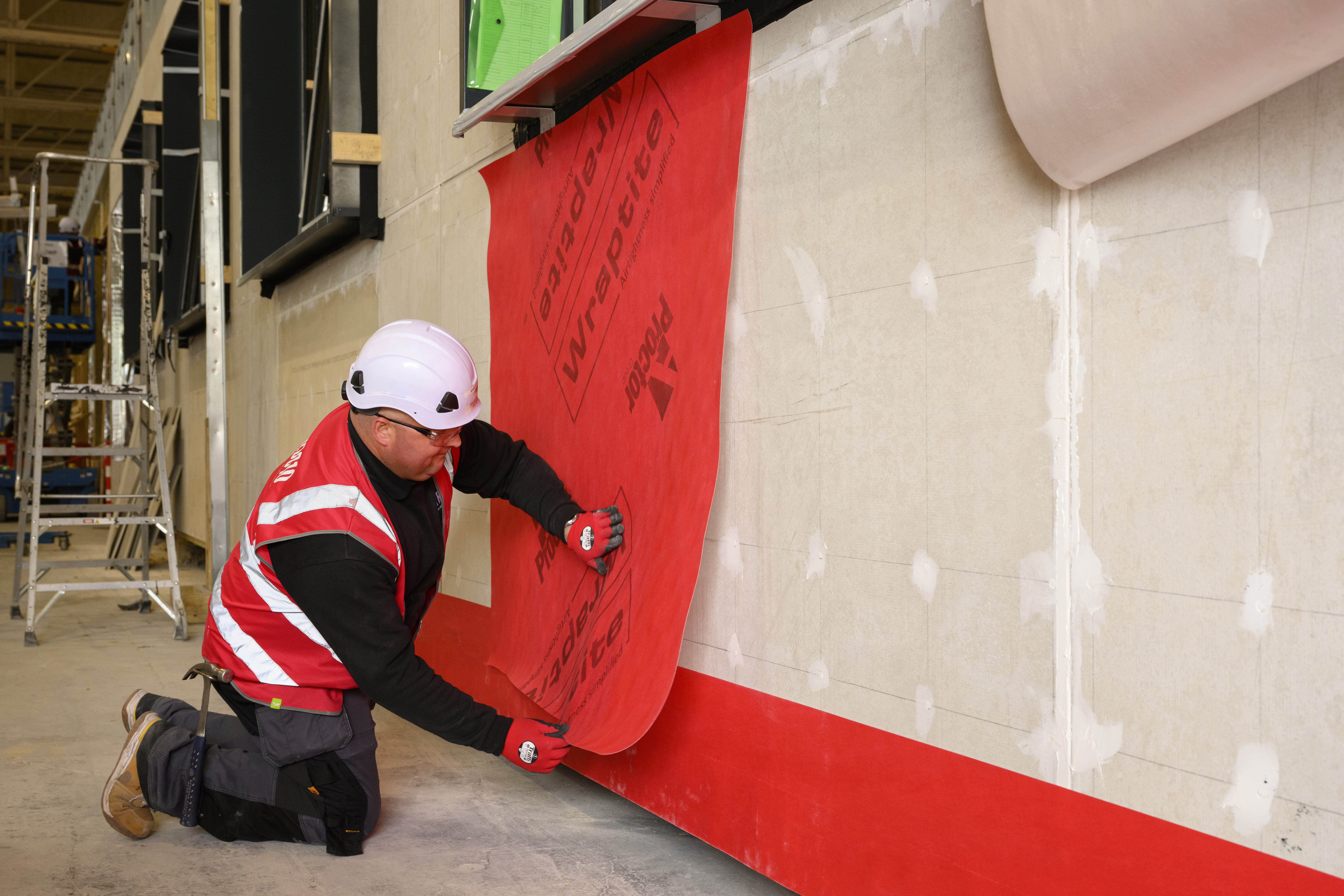
    Alongside airtightness, Wraptite provides the benefits of rapid installation and water hold-out performance while the installed units await finishing.

    Scott Laird Group Digital and Technology Officer at Reds10, said:

    “Two years ago, we might have thought Passivhaus levels of airtightness would be tricky to achieve, but now it’s normal. Wraptite has made a big contribution to that.” 

    Adopting A Design-Led Approach To Deliver A Product That Looks Good And Performs

    Central to Reds10’s growth—and the variety of sectors across which it operates—has been the adoption of a design-led approach. This informs everything the company does, including the products it ultimately specifies for its units.

    A procurement-led approach seeks to drive down costs as much as possible. By contrast, a design-led approach considers the desired result and determines how to achieve it as efficiently as possible.

    To prevent fragmentation from reducing productivity, a design-led approach brings more capability in-house and embeds more technology throughout the business. In this context, it is easy to understand why Wraptite became the airtightness membrane of choice for units required to deliver what is, essentially, a Passivhaus level of performance.

    Scott said:

    “We wanted airtightness mainly, but also water hold-out and speed of installation. Two years ago, we might have thought Passivhaus levels of airtightness would be tricky to achieve, but now it’s normal. We have achieved airtightness test results ranging from 0.67 m³/(h·m²) to 0.97 m³/(h·m²), and Wraptite has made a big contribution to that.”

    Proctor Group delivered an initial training session on installing Wraptite. Thanks to its self-adhered nature, no fixings, adhesives or primers are required. This speeds up the application process and eliminates the cost of accessories and other components.

    Reds10 incorporated Proctor Group’s training information and installation instructions into its own standard operating procedures. In this way, the company is using Proctor Group’s product expertise and adapting it to meet its specific requirements and deliver the required standard of performance.

    More buildings are now benefiting from airtight construction. What began as a requirement solely for Reds10’s defence projects is being adopted in other sectors in which the company operates. At the time of writing, for example, Reds10 will soon apply the same approach to school projects.

    Scott added:

    “Speed of application is essential in the factory environment. At the same time, we also need a nice, flat finish from the installation. It stops people asking, ‘What’s wrong with it?’ when the modules are delivered to site.”


    Adam Salt, Head of Global Sales—Modular Offsite and Head of Business Development at Proctor Group, concurs:

    “In modular and offsite construction, presentation is everything. Rather than constructing a building in the traditional sense, you’re delivering a product—and we all expect the products we buy to look right. That’s why design capability, as well as delivery capability, is so important for a company like Reds10.”

    Where Does Wraptite Fit Into Reds10's Pioneering Quality Assurance?

    To achieve the level of transformation already seen in its contracting model—and to develop it further—Reds10 has enthusiastically embraced technology.

    The company employs an impressive range of surveying and scanning techniques to capture the construction and installation of every modular unit. This begins with daily capture on the factory floor and continues with a range of surveys on site as construction progresses.

    Reds10 uses 360-degree image capture, similar to Google Street View, alongside drone surveys and LiDAR scans to build a complete picture of its industrialised construction process. All the footage is then fed into AI software, allowing any stage of a build to be retrieved, reviewed and compared with the stages before and after it.

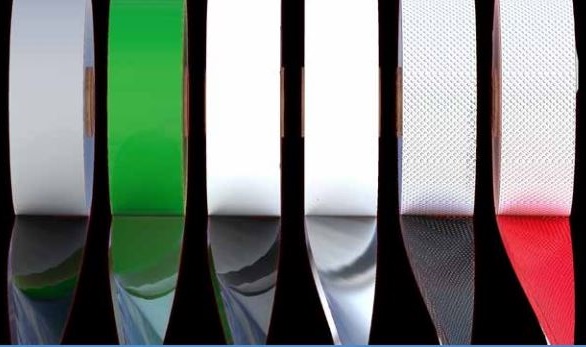
    Given how quickly units must be made watertight on site, such an approach makes sense. As soon as the modules arrive, Wraptite Tape is used to seal the junctions between them and must be applied as quickly as possible.

    Scott said:

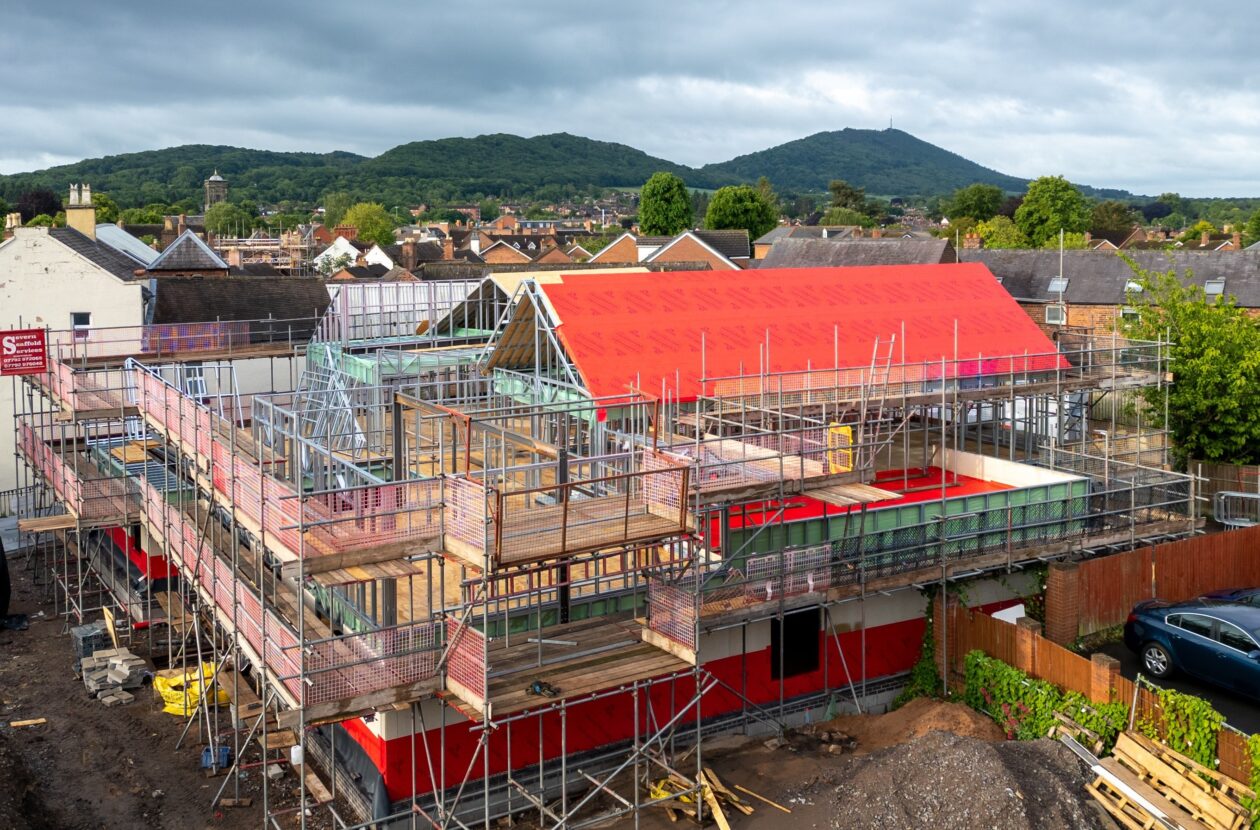
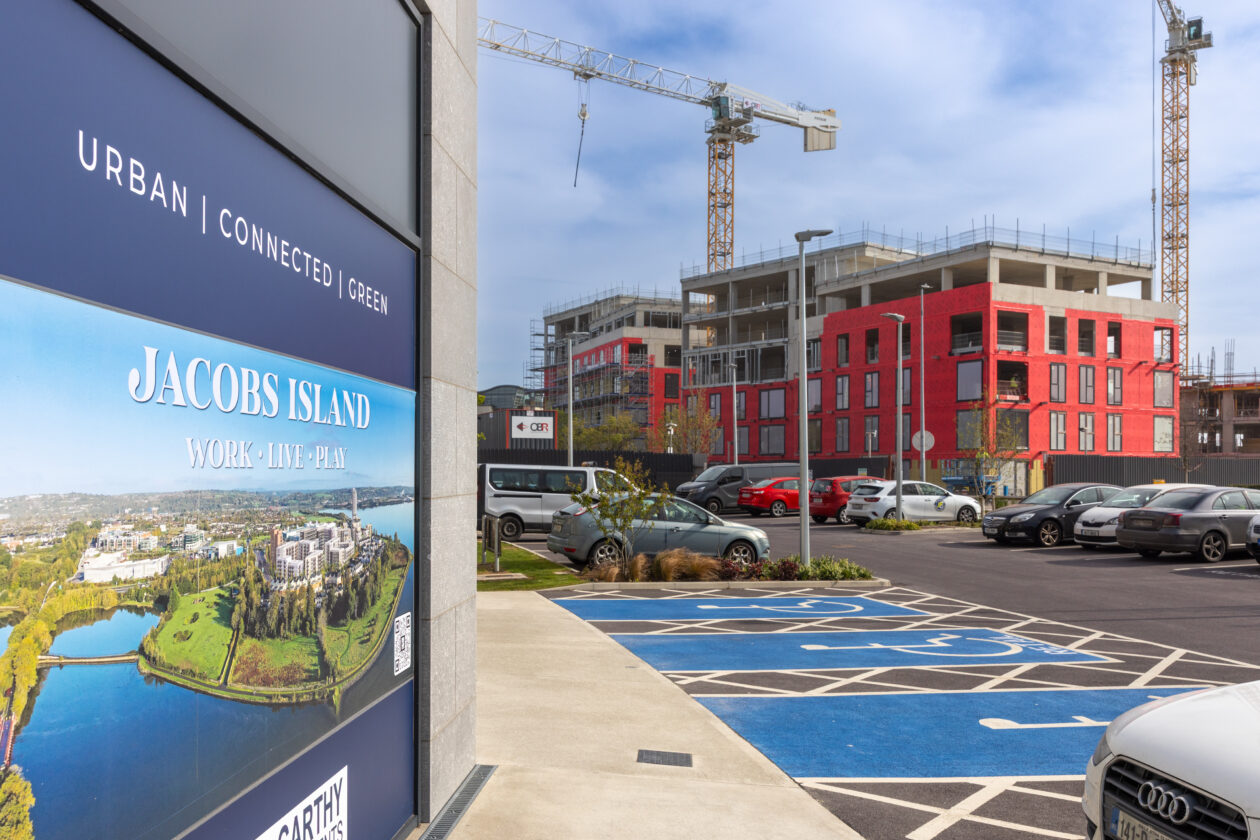
    “Our survey data is more for our own satisfaction than anything else. It de-risks our approach and helps with answering questions. There have been a couple of projects where being able to review that footage has prevented a lot of problems. One good thing about Wraptite is that the bright red colour helps—you can see very clearly whether something has been installed well.”

    Developing this integrated approach and avoiding the fragmentation associated with traditional procurement has helped Reds10 achieve consistency. Its data-driven approach also aligns well with the requirements of the Building Safety Act and the need to provide a golden thread of information.

    Adam Salt concluded:

    “Reds10 is a great success story, showing how it is possible to build a modular offsite business sustainably, Proctor Group is delighted to continue supporting the company as it pushes the boundaries of what industrialised construction can achieve.”